How to Prune Mountain fetterbush?
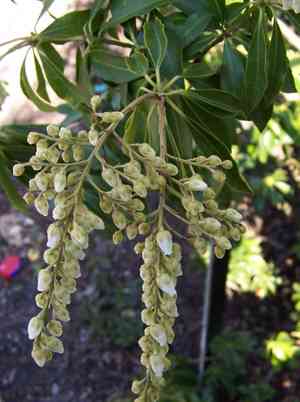
The mountain fetterbush, characterized by its persistent green leaves and white blossoms, flourishes when given appropriate attention. Trimming should occur from late spring to early summer, immediately following its blooming period. This schedule aids in safeguarding the buds for the subsequent season and fosters more robust development. Begin by eliminating any deceased or ailing branches, then shorten elongated stems to uphold its form and vitality. Furthermore, pruning improves air movement, thereby diminishing the likelihood of pests and illnesses. Consistently inspect for excessive growth to ensure the mountain fetterbush remains in good health and visually appealing.
Advantages of Trimming Mountain Fetterbush
Advantages of Trimming Mountain Fetterbush
Trimming mountain fetterbush promotes more abundant blooms and robust development by eliminating old, faded flowers and diseased wood, thereby boosting its overall health and resistance to pests and illnesses.
Optimal Time for Pruning Mountain Fetterbush
Optimal Time for Pruning Mountain Fetterbush
Pruning mountain fetterbush from late spring to early summer is ideal as it coincides with the end of its blooming cycle. This timing ensures that pruning does not interfere with the flowering period, which typically occurs in spring. Waiting until after the blossoms have faded allows for effective shaping of the plant without risking the loss of the season's floral display. Additionally, pruning at this time encourages new growth that will mature and harden before winter, thus preserving the plantâs health and vigorous appearance.
Tools Required for Pruning Mountain Fetterbush
Hand Pruners or Secateurs
Perfect for making clean cuts on mountain fetterbush's thinner stems and branches. These instruments offer precise control, essential for shaping and removing diseased or dead branches without harming the plant's overall structure. Suitable for stems up to 3/4 inches in diameter.
Loppers
Best for cutting thicker branches that hand pruners cannot manage comfortably. Loppers provide the necessary leverage for branches between 1 to 1 and 1/2 inches in diameter. They help maintain the health and beauty of mountain fetterbush by facilitating the removal of larger, potentially harmful limbs with minimal effort.
Pruning Saw
Essential for the largest branches of mountain fetterbush, which can become quite sturdy on older or unpruned specimens. Pruning saws aid in making clean cuts on branches thicker than 1 and 1/2 inches, ensuring rapid healing and reducing disease risk.
How to Prune Mountain Fetterbush
Sanitize tools
Before beginning the pruning process, ensure all pruning tools are clean and sharp. Sterilize shears or pruning scissors with alcohol to prevent the spread of diseases between plants. This step is crucial, especially before trimming diseased branches of mountain fetterbush.
Remove dead material
Eliminate dead branches, withered leaves, and diseased parts of mountain fetterbush. This involves snipping any branches that are clearly dead or show visible signs of fungal infections or other diseases, using clean cuts to prevent further damage to the plant.
Trim flowers
Prune the faded flowers of mountain fetterbush to encourage new growth and blooming. Carefully trim back the spent flower heads to just above a set of leaves to promote continuous flowering and maintain an appealing shape.
Manage excess growth
Cut back overly long or overgrown branches on mountain fetterbush. This will help maintain the plant's shape and encourage a denser, more compact growth pattern. Remove branches that cross or rub against each other to improve air circulation.
Cleanup
After pruning mountain fetterbush, ensure all removed plant material is cleared away from around the plant. Dispose of any diseased material properly to prevent further spread of pathogens. This cleanup helps maintain a healthy growing environment.
Common Pruning Errors with Mountain Fetterbush
Overpruning
Removing too much foliage at once can stress mountain fetterbush, leading to reduced vigor and sparse flowering. Limit pruning to no more than one-third of the plant's total volume per season.
Incorrect cut locations
Cutting too far from or too close to the buds on mountain fetterbush can hinder its natural growth pattern. Improper cuts may lead to disease entry or poor sprouting.
Neglecting tool maintenance
Using dull or dirty pruning tools can cause jagged cuts that harm mountain fetterbush and make it vulnerable to disease. Always use sharp, clean pruners to make precise cuts.
General Pruning Advice for Mountain Fetterbush
Selective pruning
Focus on removing only the dead, damaged, or diseased branches to maintain the health and appearance of mountain fetterbush. This targeted approach helps to avoid extensive removal of healthy growth, which is vital for flowering.
Encouraging bushy growth
Lightly prune the tips of the branches to stimulate denser growth and more abundant foliage on mountain fetterbush. This technique also helps to maintain a desirable shape and size.
Post-flowering trim
Removing spent flowers can promote a second blooming and prevent mountain fetterbush from expending energy on seed production. Make cuts just above the first set of large leaves below the spent flower to encourage healthy new growth.



