How to Transplant Southern pokeweed?
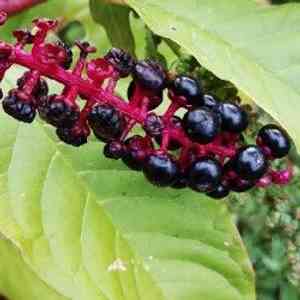
For southern pokeweed, the ideal period for relocation is as the weather becomes milder, generally from the latter part of spring into the beginning of summer. Choose a location featuring soil that drains effectively and receives partial sunlight. A helpful suggestion: guarantee steady hydration after transplanting to aid southern pokeweed's successful establishment.
What Preparations are Needed Before Transplanting Southern Pokeweed?
What is the Ideal Time for Transplanting Southern Pokeweed?
The best time to relocate southern pokeweed is from late spring to early summer. This period offers mild temperatures and stable weather, which are perfect for root establishment. Moving southern pokeweed at this point is crucial, as the plant can benefit from summer's peak growth after settling, leading to strong health. This fits well with southern pokeweed's natural growth cycle, ensuring a smooth transition and future prosperity.
How Much Space Should You Leave Between Southern Pokeweed Plants?
When planning to transplant southern pokeweed, aim for spacing each plant about 36-48 inches (91-122 cm) apart. This gives them plenty of room to flourish and reach their full potential!
What is the Best Soil Mix for Southern Pokeweed Transplanting?
For southern pokeweed, prepare a soil mixture that's well-draining and rich in organic matter. A gentle base fertilizer, such as a balanced 10-10-10 NPK, can provide a good start for your plants.
Where Should You Relocate Your Southern Pokeweed?
Choose a sunny spot that gets at least 6 hours of sunlight daily for your southern pokeweed. They adore the sunshine and will thrive best with ample daylight.
What Equipments Should You Prepare Before Transplantation Southern Pokeweed?
Gardening Gloves
To protect your hands while working with the soil and southern pokeweed.
Shovel or Spade
To dig around and under the plant in preparation for transplant.
Hand Trowel
For finer work around the roots and smaller transplanting tasks.
Watering Can or Hose
To water southern pokeweed before and after transplanting.
Pruning Shears
To trim any damaged or excessively long roots before transplanting.
Wheelbarrow or Garden Cart
To transport southern pokeweed from the original location to the new site.
Rooting Hormone (optional)
To encourage root development post-transplant.
How Do You Remove Southern Pokeweed from the Soil?
How Do You Remove Southern Pokeweed from the Soil?
From Ground: First, water the southern pokeweed plant to dampen the soil, making it easier to work with. Use a shovel or spade to dig a generous trench around the plant, taking care to avoid damaging the roots. Gently slide the spade beneath the root ball to lift the plant and soil together.From Pot: Water the southern pokeweed to ease the removal process. Tip the pot to one side and gently tap the bottom to help loosen the plant. Support the plant by the base, and carefully ease it out of the pot, maintaining the root ball's integrity.From Seedling Tray: Water the seedlings to keep the roots intact during the transfer. Gently loosen the soil around the seedling with a hand trowel or by pressing from the bottom of the tray. Lift the seedling by the leaves, not the stem, and keep as much soil around the roots as possible.
Step-by-Step Guide for Transplanting Southern Pokeweed
Choosing the Time
Time the transplant for early morning or a cloudy day to minimize stress on southern pokeweed. Avoid transplanting during the peak of summer heat if possible. Cooler parts of the day help reduce moisture loss and heat stress during the transition period for southern pokeweed. Making sure to work when the plant and soil temperatures are not extreme can be beneficial for root re-establishment and reducing shock to southern pokeweed.
Hole Preparation
Dig a hole in the ground that is twice as wide as the root ball of the southern pokeweed and exactly as deep. This ensures that the roots have ample space to spread out without crowding and that the southern pokeweed sits at the right level in the soil.
Plant Placement
Carefully place southern pokeweed in the prepared hole. The top of the root ball should be level with the ground surface. Make sure the plant is upright and centered before filling in the hole. Ensure that southern pokeweed's most aesthetically pleasing angle faces the desired viewing direction, as this will not be easily adjusted later without stressing the plant again.
Refilling the Hole
Gently fill the hole around southern pokeweed with soil, carefully firming it in as you go to prevent air pockets around the roots. Water the soil when half the hole is filled to settle the soil around the roots, then continue filling with soil to the top and water again deeply.
Mulching
Apply a layer of mulch around the base of southern pokeweed to help retain soil moisture and regulate soil temperature. Keep the mulch a few inches away from the stem of the plant to prevent rot.
Staking (if necessary)
If southern pokeweed is tall or top-heavy, provide support with a stake. Drive the stake into the ground next to southern pokeweed (taking care not to damage the root ball) and loosely tie the plant to the stake to prevent it from bending or breaking.
How Do You Care For Southern Pokeweed After Transplanting?
Initial Watering
Water southern pokeweed generously immediately after transplanting to settle the soil around the roots and help reduce plant stress. Ensure that the water penetrates deeply to encourage the roots to grow downward.
Monitoring
For the first few weeks, keep a watchful eye on southern pokeweed, monitoring its water needs and checking for signs of transplant shock, such as wilting or yellowing leaves. Provide consistent care and adjust as needed.
Staking Follow-up
Inspect the stakes periodically, and adjust the ties to prevent girdling and allow for growth. Remove stakes after southern pokeweed becomes established and can support itself, typically within one growing season.
Pruning
If transplant shock occurs, it may be necessary to prune back southern pokeweed to reduce the strain on the roots as they establish. Focus on removing dead or dying stems, which ensures that southern pokeweed's energy can go toward developing a strong new root system.
Troubleshooting Common Issues with Southern Pokeweed Transplantation.
What's the best time to transplant southern pokeweed?
Opt for late spring or the cusp of summer to move your southern pokeweed when temperatures are mild.
How far apart should I space southern pokeweed plants?
Allow a generous 36-48 inches (91-122 cm) between southern pokeweed plants for optimal growth and air circulation.
Why is my transplanted southern pokeweed wilting?
Wilting post-transplant could indicate shock. Ensure proper watering and shade for the first few days to recover.
How deep should the hole be for southern pokeweed?
Dig a hole as deep as the root ball but twice as wide, to encourage spreading.
Can southern pokeweed be transplanted in full sun?
Southern pokeweed thrives in full sun to partial shade. Gradually acclimate it to the sun after transplanting.
What soil works best for transplanting southern pokeweed?
Southern pokeweed prefers well-draining, fertile soil. Amend with compost to enhance nutrient content before transplanting.
How much should I water southern pokeweed after transplanting?
Water thoroughly after transplanting, then consistently to keep soil moist, not waterlogged, during establishment.
Should I fertilize southern pokeweed after transplanting?
Wait a few weeks before fertilizing to avoid root burn while southern pokeweed establishes itself.
What if the leaves of southern pokeweed start turning yellow?
Yellowing may indicate overwatering or poor drainage. Check moisture levels and adjust watering.
How do I protect southern pokeweed from pests after transplanting?
Keep an eye on southern pokeweed for signs of pests and treat accordingly with insecticidal soap or neem oil.



