Enhancing Your Garden Design with the Southern pokeweed Plant: A Landscaping Guide
1
Southern pokeweed reaches heights of up to 10 feet, adding a prominent vertical feature to your landscape.
2
This plant transforms considerably with the changing seasons, delivering continuous visual appeal throughout the year.
3
Adequate spacing and ample sunlight are essential for fostering robust growth and an attractive look for Southern pokeweed.
Appreciating the Visual Appeal of Southern Pokeweed
Visual attributes: Height, hue, and texture
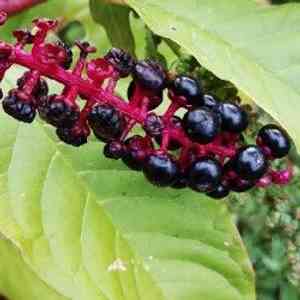
A prominent characteristic of Southern pokeweed is its impressive stature, capable of reaching up to 10 feet. This vertical presence makes it a central feature in any garden design. The plant's vivid green leaves offer a beautiful contrast with its dark, purple-black berries and bright pink stems. These shades can create a striking visual impact, especially when set against a backdrop of darker foliage.
Seasonal transformations and their effect on garden beauty
Throughout the year, Southern pokeweed undergoes various changes. In spring, fresh green leaves emerge, followed by clusters of white flowers in summer. As the seasons progress, the flowers develop into berries that gradually change from green to deep purple-black. This seasonal cycle ensures your garden is always evolving, maintaining visual interest year-round.
Companion plants that enhance Southern pokeweed's appearance
To maximize Southern pokeweed's visual impact, consider pairing it with plants that complement its bold features. Hostas, with their large, lush foliage, provide an excellent backdrop, emphasizing Southern pokeweed's tall, slender form. Ornamental grasses can add texture and movement, while perennial flowers in white or blue shades can offer a delicate contrast to Southern pokeweed's vibrant stems and berries.
Optimal Placement for Southern Pokeweed in Your Landscape
Selecting the ideal spot based on sunlight and soil type
To ensure Southern pokeweed thrives in your garden, choosing the right location is crucial. This plant prefers full sun to partial shade. Regarding soil, Southern pokeweed is quite adaptable but performs best in well-drained soil with moderate fertility. Before planting, assess your soil's drainage and, if needed, amend it with compost to improve its condition.
How spacing impacts Southern pokeweed's growth and visual effect
Correct spacing is vital for achieving the best visual and health outcomes for Southern pokeweed. Providing ample spaceâtypically about 3 to 4 feet between plantsâensures each plant has sufficient room to grow without competing for resources. This spacing strategy also prevents overcrowding, which can lead to poor air circulation and an increased risk of disease.
Avoiding common planting errors
Frequent mistakes when planting Southern pokeweed include placing it in poorly draining soil and failing to provide adequate sunlight. Both issues can result in weak growth and susceptibility to pests and diseases. Additionally, avoid planting Southern pokeweed too close to paths or patios, as its rapid growth can cause obstruction. Regular monitoring and timely adjustments ensure the plant flourishes.
Incorporating Southern Pokeweed into Various Garden Styles
Formal gardens: Symmetry and structure
Southern pokeweed can introduce a dramatic vertical element to formal gardens. To integrate it effectively, plant it in symmetrical arrangements flanking walkways or entrances. Its height and structure can create a sense of formality and balance, complementing neatly trimmed hedges and geometric flower beds.
Cottage gardens: Informal and charming
In a cottage garden setting, Southern pokeweed can add a touch of wild, natural allure. Its bold colors and textures blend well among the mix of flowers and foliage typical of this style. Plant Southern pokeweed in clusters or drifts, allowing it to intermingle freely with other plants like foxgloves, hollyhocks, and daisies for an enchanting, whimsical appearance.
Modern landscapes: Minimalism and contrast
For modern landscapes that emphasize minimalism and clean lines, Southern pokeweed serves as a visually striking focal point. Its bold colors and unusual form can provide contrast against sleek, simple hardscaping elements like concrete or stone. Position Southern pokeweed as an accent plant in a minimalist planting scheme, limiting the palette to a few select species for a sophisticated, contemporary look.
Seasonal Care Advice for Southern Pokeweed in Gardens
Spring and summer care: Pruning and watering requirements
During warmer months, Southern pokeweed needs consistent watering, especially during dry periods. Deep watering promotes robust root development. Pruning in spring helps maintain the plant's shape and encourages vigorous growth. Remove any dead or damaged stems to improve air circulation and overall health.
Autumn preparations: Shielding Southern pokeweed from cold
As temperatures begin to fall in autumn, some preparations are necessary to protect Southern pokeweed. Mulching around the plant's base helps insulate the roots from cold snaps. Additionally, it's a good time to cut back any spent stems and foliage to prevent disease. These steps ensure the plant remains healthy through the colder months.
Winter considerations: Dormancy and upkeep
During winter, when Southern pokeweed enters dormancy, maintenance needs are minimal. However, periodically check for any signs of pests or diseases. In regions with harsh winters, consider providing additional protection with burlap wraps or other coverings. This ensures the plant is well-prepared to burst into growth when spring arrives.



