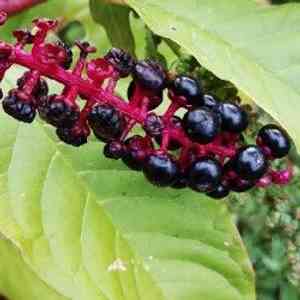
Southern pokeweed (Phytolacca bogotensis)
Also known as: South american pokeweed
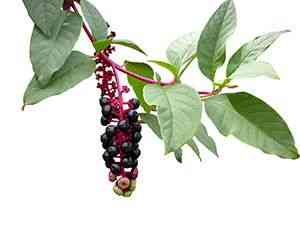
Southern pokeweed (Phytolacca americana) is a robust perennial plant known for its thick, reddish-purple stems and sizable, alternate green leaves. The plant features clusters of small, white to greenish flowers that bloom in the summer and eventually form dark purple berries. It typically grows up to 10 feet tall.
This species is commonly found in disturbed soils such as fields, pastures, roadsides, and forest edges throughout the eastern United States. It adapts well to various environments, favoring full sun to partial shade and well-drained soils. Its resilient root system helps it survive across different seasons.
In This Article
Attributes of Southern pokeweed
Lifespan
Perennial
Plant Type
Herb
Plant Height
1.5 to 3 meters
Spread
1 to 2 meters
Leaf Color
Green
Flower Size
0.5 centimeters
Flower Color
White or greenish
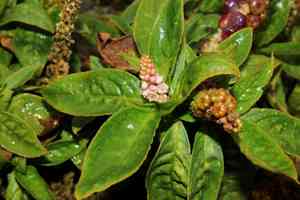
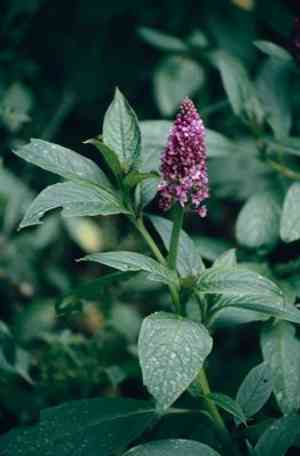
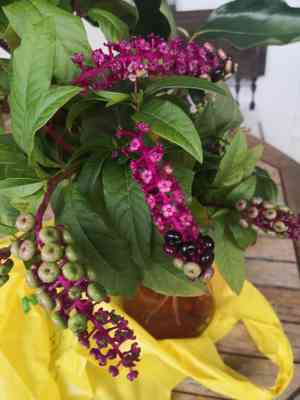
Images of Southern pokeweed
Quickly Identify Southern pokeweed
1
Phytolacca bogotensis can be identified by its large, elliptical leaves, red to purple stems, and clusters of small white or greenish flowers that turn into dark purple or black berries. Look for the plant in disturbed soils or areas with partial shade.
Scientific Classification of Southern pokeweed
Phylum
Vascular plants
Class
Dicotyledons
Order
Caryophyllales
Family
Pokeweed
Genus
Pokeweeds
Species
Southern pokeweed
Planting and Growing of Southern pokeweed
Care Difficulty
Easy
Watering Schedule
Every 3 days
Sunlight Requirements
Full sun
Sunshine Duration
6-10 hours
Ideal Temperature
60-75℉
Soil Type
Potting Mix, Peat Mix
Soil pH
6.5-7.5
Fertilizer Type
Balanced
Pruning Season
Spring, Summer
Pruning Area
Branches, Leaves
Pruning Frequency
2 times a year
Repotting Season
Spring
Pot Type
Ceramic, Plastic
 How to Water Southern pokeweed?
Phytolacca bogotensis should be watered until the soil is evenly moist, but not waterlogged. Typically, around 250 milliliters per watering is ideal, as this ensures the soil is adequately hydrated without drowning the roots.
What are the symptoms of an underwatered Southern pokeweed?
›
What should I do if my Southern pokeweed is not getting enough water?
›
What are the symptoms of an overwatered Southern pokeweed?
›
How to save an overwatered Southern pokeweed?
›
 What Are the Sunlight Requirements for Southern pokeweed?
Phytolacca bogotensis thrives best in environments offering full sun to partial sun. Ideal light exposure ensures it receives enough energy for robust growth and maintenance of its vibrant appearance.
What type of sunlight does Phytolacca bogotensis thrive in?
›
What is a solution for achieving ideal lighting for Phytolacca bogotensis?
›
What benefits does ideal lighting bring to Phytolacca bogotensis?
›
 What Is the Ideal Temperature Range for Southern pokeweed?
Phytolacca bogotensis thrives best within the temperature range of 60 to 75°F. This range provides optimal conditions for growth and development, ensuring the plant remains vigorous and healthy. Consistent temperatures within this range support ideal metabolic processes and photosynthesis rates, contributing to robust foliage and flowering. Maintaining conditions within this range helps prevent stress that could lead to stunted growth or increased susceptibility to pests and diseases.
 What Soil is Best for Southern pokeweed?
Phytolacca bogotensis thrives in nutrient-rich soil, which provides essential minerals and nutrients that support its robust growth. A well-fertilized loam enhances the plant's health by ensuring optimal energy production and cellular functions. This plant prefers well-draining soil to prevent root rot and waterlogging. Proper drainage ensures that roots receive adequate oxygen, fostering healthy development and avoiding water-borne diseases. Phytolacca bogotensis benefits from soil that retains moderate moisture levels. Consistent but not excessive moisture helps in nutrient absorption, offering better results in terms of foliage vitality and flowering.
 How to Fertilize Southern pokeweed?
Phytolacca bogotensis thrives with a balanced fertilizer mix. Use a general-purpose 10-10-10 NPK fertilizer. For liquid fertilizers, dilute half of the recommended concentration, applying approximately 200 ml around the base of the plant. The plant enjoys a nutrient-rich environment, helping it maintain its vibrant green foliage and robust health.
 How to Prune Southern pokeweed?
First, identify any dead or diseased branches and remove them using clean, sharp pruning shears. Then, thin out any crowded areas to improve air circulation, which can prevent fungal diseases. Finally, shape the plant by trimming overgrown branches to maintain a pleasing form. In early spring, perform a more extensive cutback to rejuvenate the plant if it has become overgrown or unruly. Cut back up to one-third of the oldest wood to encourage new growth from the base. This process revitalizes the plant, ensuring vibrant foliage and blooms.
More About Pruning Techniques→
 How to Propagate Southern pokeweed plant?
1
Harvest ripe seeds from the berries of Phytolacca bogotensis. Ripe seeds usually have deep color and are easily separated from the pulp. Dry them before sowing to improve germination rates.
2
Select a healthy stem from the parent plant and make a clean cut below a node using sharp pruning shears. Trim lower leaves to reduce transpiration and dip the cut end in rooting hormone to encourage root growth.
3
Plant seeds in a seed starting tray filled with nutrient-rich, well-draining soil. For cuttings, insert them into a moist medium such as perlite or a soil-sand mixture, ensuring good contact with the soil.
 How to Repot Southern pokeweed plant?
1
Phytolacca bogotensis should be repotted when you notice roots poking out from the drainage holes or if the plant becomes root-bound. The best time for repotting is during its active growth phases in spring and summer.
2
Select a pot slightly larger than the current one, ideally one inch wider in diameter. A pot with drainage holes is essential to prevent waterlogging, promoting healthy root development and reducing the risk of root rot.
3
Choose a well-draining potting mix rich in organic matter. This type of soil provides essential aeration and moisture retention, allowing the plant's roots to receive ample oxygen and nutrients.
Toxicity
Ingestion
WARNING
The judgment on toxicity and danger is for reference only. We DO NOT GUARANTEE any accuracy of such judgment. Therefore, you SHALL NOT rely on such judgment. It is IMPORTANT TO SEEK PROFESSIONAL ADVICE in advance when necessary.
Learn More About Southern pokeweed Diseases
Anthracnose
Bacterial Leaf Spot
Bacterial Soft Rot
Bacterial Wilt
Black Spot
Chemical Injury
Crown Gall
Cyst Nematode
Damping-off
Downy Mildew
Drought Stress
Fusarium Wilt
Gray Mold
Leaf Curl
Leaf Spot
Mosaic
Nutrient Deficiency
Nutrient Toxicity
Powdery Mildew
Root Rot
Root-knot Nematode
Rusts
Sooty Mold
Spider Mites
Temperature Stress
Thrips Damage
White Mold



