How to Prune Southern pokeweed?
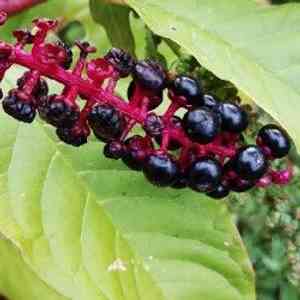
Originating from South America, southern pokeweed is recognized by its sturdy development and vivid fruit groupings. Trimming ought to concentrate on lifeless or ailing stalks, reducing density for improved illumination and airflow, and managing its dimensions. Performing pruning in early spring or late winter coincides with southern pokeweed's inactive period, fostering strong fresh development. Particular advantages of pruning encompass increased fruit yield and overall plant well-being. Always utilize hand protection when tending to southern pokeweed, as every component is poisonous if consumed.
What Are the Benefits of Pruning Southern Pokeweed?
What Are the Benefits of Pruning Southern Pokeweed?
Trimming southern pokeweed promotes robust development and helps maintain its desired form, ensuring the plant stays healthy and visually appealing.
What Is the Best Time for Pruning Southern Pokeweed?
What Is the Best Time for Pruning Southern Pokeweed?
Pruning southern pokeweed from late winter to early spring is ideal, as it occurs before the start of the new growth cycle. This timing allows cuts to heal rapidly with the spring growth surge, reducing stress and susceptibility to diseases. It also aids in preserving the plant's structure and vigor, encouraging healthy shoots and abundant foliage or fruit during the growing season. Pruning outside these recommended periods can result in suboptimal plant health, less vigorous growth, and a diminished yield of flowers and fruit.
What Tools Do I Need to Prune Southern Pokeweed?
Hand Pruners
Perfect for trimming soft stems and small branches up to 0.75 inches in diameter. This ensures precise, clean cuts, which helps southern pokeweed heal faster and lowers disease risk.
Loppers
Suitable for cutting thicker stems and branches between 0.75 inches and 1.5 inches thick. The long handles provide leverage for cleaner cuts through southern pokeweed's more substantial stems without straining the gardener.
Pruning Saw
Essential for removing larger branches over 1.5 inches thick. It allows for a cleaner cut on southern pokeweed's mature wood without harming surrounding stems.
Gloves
Hand protection while pruning southern pokeweed, as the plant may have toxic sap that should not contact skin.
Pruning Sealant
Though not a tool, a pruning sealant can be beneficial after cutting larger branches to shield southern pokeweed from diseases and pests until the cut naturally heals.
How to Prune Southern Pokeweed
Sterilize
Before beginning to prune southern pokeweed, disinfect your pruning tools with a bleach and water solution or rubbing alcohol to prevent disease spread. Clean tools are vital when removing diseased material to maintain the plant's health.
Identify
Carefully inspect southern pokeweed to locate diseased and withered leaves. These typically show discoloration, spots, or an unusual texture. Removing these leaves is crucial to prevent further infection and improve air circulation around the plant.
Cut
Using your sterilized pruning shears, carefully cut the diseased and withered leaves at the base of their stems. Ensure a clean cut to minimize damage to southern pokeweed and prevent disease entry through jagged edges.
Dispose
Properly discard the pruned diseased and withered leaves. Do not compost them, as they could harbor pathogens that might infect the compost and spread to other garden plants.
Care
After pruning southern pokeweed, observe the plant for new growth and signs of recovery. If more diseased leaves appear, repeat the pruning process to keep the plant healthy. Regular checks will also alert you to any other care southern pokeweed may require.
Common Pruning Mistakes with Southern Pokeweed
Over-Pruning
Excessive pruning can stress southern pokeweed's natural form and growth patterns, potentially leading to reduced vigor and fewer blooms. It's important not to remove more than one-third of the plant at any given time.
Improper Cut Locations
Making cuts too close to the main stem or too far from a bud can impede the healing process and encourage disease. Cuts should be made just above a node where a leaf joins the stem.
Using Dull Tools
Pruning southern pokeweed with blunt tools can cause ragged cuts that are more vulnerable to pests and diseases. Sharp pruning shears create clean cuts that heal more quickly.
Ignoring Diseased Material
Failing to remove and discard diseased materials can lead to contamination of healthy parts of southern pokeweed. Always sanitize cutting tools before and after handling infected plants.
Pruning In Wet Conditions
Pruning southern pokeweed when it's wet can spread diseases. Wait for the foliage to dry before pruning to minimize the risk.
Common Pruning Tips for Southern Pokeweed
Correct Tool Selection
Use sharp, clean bypass pruners or loppers for cutting through southern pokeweed's stems. This ensures a clean, healthy cut that promotes rapid healing.
Identifying Dead Material
Regularly remove dead or damaged stems to maintain southern pokeweed's health and appearance. This helps redirect energy to healthier growth.
Promoting Air Circulation
Thin out dense growth to enhance air circulation, which can reduce the likelihood of fungal diseases common in southern pokeweed.
Encouraging New Growth
Pinch back tips of new growth to encourage bushier plants with more flowers. This technique is especially beneficial for young southern pokeweed.
Safety First
Since all parts of southern pokeweed are toxic if ingested, always wear gloves when handling and pruning, and wash your hands thoroughly afterward.



