How to Transplant Mountain ninebark?
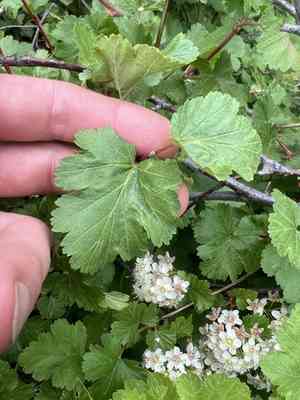
Physocarpus monogynus flourishes when relocated in the initial to middle part of spring, owing to advantageous environmental factors. Select a location receiving ample sunlight to partial shade for peak development. Confirm the soil drains effectively. Exercise caution during transplantation to lessen disruption to the root system.
What Preparations are Needed Before Transplanting Mountain Ninebark?
What is the Ideal Time for Transplanting Mountain Ninebark?
Relocate mountain ninebark during early to mid-spring for best growth. This timing allows the plant to establish roots prior to the intense summer heat. Soil conditions are more manageable and moisture levels are optimal, promoting healthier root systems and stress-free establishment.
How Much Space Should You Leave Between Mountain Ninebark Plants?
When moving mountain ninebark, ensure a spacing of 5-7 feet (1.5-2.1 meters) between them. This provides ample room for development and aids in air circulation, which keeps your plants healthy and thriving.
What is the Best Soil Mix for Mountain Ninebark Transplanting?
For mountain ninebark, select well-draining soil, ideally sandy or loamy. Enhance the soil with organic matter or a balanced base fertilizer to provide your plant with the necessary nutrients for a strong start.
Where Should You Relocate Your Mountain Ninebark?
Mountain ninebark thrives in sunlight, so choose a spot that receives full sun for at least 6 hours daily. This encourages vigorous growth and the production of beautiful blooms.
What Equipments Should You Prepare Before Transplantation Mountain Ninebark?
Gardening Gloves
To safeguard your hands while working with the soil and plant material.
Shovel or Spade
For excavating the new planting hole and for extracting the plant from its original spot.
Wheelbarrow or Plant Tray
To move the plant to its new location.
Watering Can or Hose
For thoroughly hydrating the plant before and after relocation.
Compost or Organic Matter
To enrich the new planting site if necessary.
Pruning Shears
To trim any damaged or overgrown roots prior to transplanting.
Mulch
To retain soil moisture and suppress weed growth.
How Do You Remove Mountain Ninebark from the Soil?
How Do You Remove Mountain Ninebark from the Soil?
From Ground: First, water the mountain ninebark to moisten the soil. Then, dig a wide trench around the plant using a shovel or spade, ensuring the plant's root ball remains intact. Carefully work the spade beneath the root ball to lift the plant from its original location.From Pot: Water the mountain ninebark thoroughly. Gently turn the pot on its side and slide the plant out by tapping the sides of the pot if needed. Carefully separate any circling or matted roots.From Seedling Tray: Water the seedlings to ensure the soil is damp. Gently lift the mountain ninebark from the tray using a small tool or your fingers, making sure to take as much of the root system as possible.
Step-by-Step Guide for Transplanting Mountain Ninebark
Site Preparation
Prepare the new planting hole. Dig a hole that is twice the width and the same depth as the mountain ninebark's root ball.
Removing Plant
As outlined in the removal_process section
Placing Plant
Position the mountain ninebark in the center of the hole, ensuring the top of the root ball is level with the ground surface.
Backfilling
Fill the hole with soil, gently pressing it down around the root ball to eliminate air pockets. Ensure the mountain ninebark is stable and upright.
Watering
Water the plant thoroughly, saturating the soil to help it settle around the roots.
Applying Mulch
Apply a layer of mulch around the base of the mountain ninebark, but keep it a few inches away from the stem to prevent rot.
How Do You Care For Mountain Ninebark After Transplanting?
Watering
Keep the soil around the mountain ninebark consistently moist, but not waterlogged, for the initial weeks after transplanting to aid in establishing strong roots.
Monitoring
Regularly inspect the mountain ninebark for signs of stress, such as wilting or yellowing leaves, and adjust care as necessary.
Pruning
Trim any damaged or diseased branches to encourage healthy development.
Weeding
Keep the area around the mountain ninebark free of weeds to reduce competition for nutrients and water.
Mulch Maintenance
Replenish mulch as needed to maintain a 2-3 inch layer around the plant, keeping it away from direct contact with the stem.
Troubleshooting Common Issues with Mountain Ninebark Transplantation.
When is the best time to transplant mountain ninebark?
Early to mid-spring is the optimal period to relocate mountain ninebark for ideal growth.
How far apart should mountain ninebark be spaced?
Space mountain ninebark plants 5-7 feet (1.5-2.1 meters) apart for optimal outcomes.
What soil conditions do mountain ninebark require?
Mountain ninebark prefers well-draining soil with a pH level between 6.0 and 7.5.
How should I water mountain ninebark after transplanting?
Water thoroughly after transplanting and maintain consistently moist soil until established.
Should I trim mountain ninebark before transplanting?
Yes, reducing mountain ninebark's foliage by up to one-third helps minimize transplant shock.
How deep should I plant mountain ninebark during transplanting?
Plant mountain ninebark at the same depth as it was in its original location.
What temperature range is best for transplanting mountain ninebark?
Transplant mountain ninebark in temperatures between 50-70°F (10-21°C) for optimal acclimation.
How do I prepare the new site for mountain ninebark?
Amend soil with compost and ensure the new site has good drainage and sunlight.
What should be done if mountain ninebark shows signs of wilting?
Increase watering frequency and consider using a shade cloth temporarily to reduce stress.
How can I reduce transplant shock in mountain ninebark?
Utilize a root stimulator and water with a diluted solution of liquid seaweed extract.



