How to Propagate Mountain ninebark?
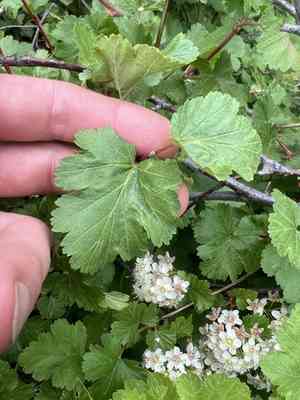
Physocarpus monogynus is a deciduous woody plant characterized by appealing exfoliating bark and groupings of white blossoms. To successfully propagate this species, utilize semi-lignified cuttings. Obtain these cuttings from robust, established branches, making sure they measure approximately 4-6 inches in length. Detach the basal foliage and immerse the severed ends in a rooting stimulant to enhance the likelihood of success. Insert the cuttings into a damp, free-draining substrate, and maintain them in a humid setting until root systems emerge, providing sufficient illumination while preventing direct solar exposure.
Optimal Time for Mountain Ninebark Propagation
Propagation Method
Cutting
Propagation Period
Spring,Summer
Tools for Mountain Ninebark Propagation
Pruning Shears
Crucial for obtaining clean sections from mountain ninebark. Quality shears help prevent harm to the parent plant and create precise cuts that improve the chances of successful root formation.
Rooting Hormone
Helps stimulate root development from cuttings. Applying rooting hormone to the cut end of mountain ninebark can accelerate the rooting process and boost the propagation success rate.
Propagation Trays and Pots
Offer a controlled setting for mountain ninebark's cuttings to establish roots and grow. These containers aid in maintaining consistent moisture levels and reducing transplant shock.
Mist Sprayer
Ensures that mountain ninebark cuttings stay consistently hydrated without becoming oversaturated. Maintaining proper moisture is vital for preventing wilting and encouraging healthy root development.
Sterile Scalpel or Knife
Utilized for making precise incisions on mountain ninebark to promote callus formation and root growth. Keeping tools sterile prevents disease spread, enhancing the overall success and health of the cuttings.
Humidity Dome
Creates a high-humidity microenvironment, essential for the successful rooting of mountain ninebark cuttings. This helps reduce water loss from leaves while roots develop.
Heating Mat
Provides warmth from below, encouraging root development in mountain ninebark's cuttings. Consistent heat helps accelerate the rooting process, especially in cooler climates.
Labeling Tags
Important for tracking various mountain ninebark cuttings. Proper labeling assists in monitoring the propagation process and identifying successful plants.
How to Propagate Mountain Ninebark?
Propagation Type
Moderately Difficult
Caring for Your Newly Propagated Mountain Ninebark
Caring for Your Newly Propagated Mountain Ninebark
Once cuttings have rooted and been transplanted, ensure they receive consistent moisture, especially during dry spells. Apply mulch around the base to help retain soil moisture and suppress weeds. Prune annually to maintain shape and encourage dense growth. Monitor for common pests and diseases, addressing any issues promptly to keep plants healthy.
Common Propagation Errors for Mountain Ninebark
Insufficient Light
Failure to provide adequate light can significantly impede root development and overall growth.
Overwatering
Excessive watering can lead to root rot, which is detrimental to plant health and can cause propagation to fail.
Improper Soil Mix
Using soil that lacks good drainage can retain too much moisture, leading to fungal issues and root diseases.
Neglecting Humidity Needs
Disregarding humidity requirements can cause cuttings to dry out and prevent successful rooting.
Incorrect Cutting Technique
Taking cuttings from the wrong part of the plant or cutting them improperly can result in rooting failure.
Lack of Sterilization
Not sterilizing tools before use can introduce diseases to cuttings, compromising their health.
Tips For Propagating Mountain Ninebark
Adequate Light
Ensure cuttings receive bright, indirect light to promote growth without causing leaf burn.
Balanced Watering
Water cuttings sufficiently to keep the soil moist but not waterlogged to prevent root rot.
Well-Draining Soil
Use a soil mix that provides excellent drainage to prevent moisture accumulation and protect new roots.
Maintain Humidity
Keep cuttings in a humid environment by covering them with a plastic bag or using a humidity dome.
Proper Cutting Practice
Use sharp, clean tools to take semi-hardwood cuttings, making precise cuts just below a node.
Sterilize Tools
Always sterilize cutting tools before use to minimize disease risk.



