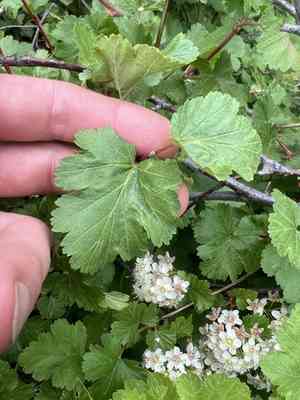
Mountain ninebark (Physocarpus monogynus)
Also known as: Mountain Ninebark, Western Ninebark
Mountain ninebark (Physocarpus monogynus) is a hardy deciduous shrub known for its spreading growth and striking seasonal features. In spring, it blooms with clusters of small white to pinkish flowers. The shrub is distinguished by its peeling, reddish-brown bark, which adds visual interest throughout the year. Come fall, the foliage transitions to vibrant yellow and red hues. Adaptable to different soil types, mountain ninebark prefers well-drained conditions and can thrive in both sunny and partially shaded environments, making it a versatile choice for diverse landscapes.
In This Article
Attributes of Mountain ninebark
Lifespan
Perennial
Plant Type
Shrub
Plant Height
3 to 8 feet (0.9 to 2.4 meters)
Spread
3 to 6 feet (0.9 to 1.8 meters)
Leaf Color
Green
Flower Size
0.5 inches (1.27 centimeters)
Flower Color
White
Images of Mountain ninebark
Quickly Identify Mountain ninebark
1
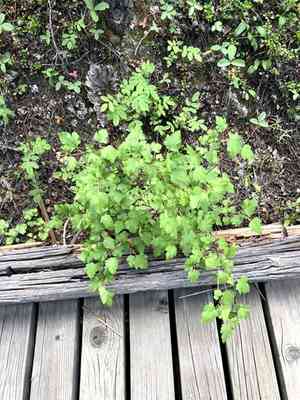
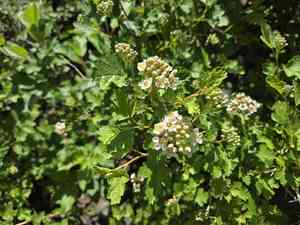
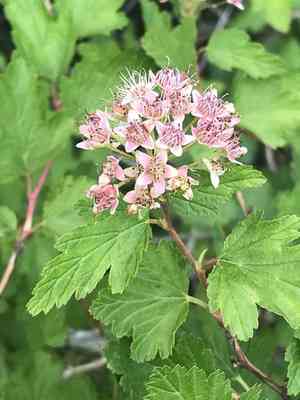
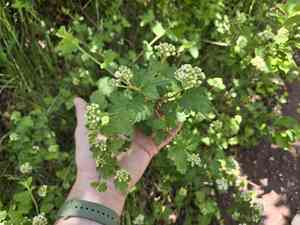
This plant can be identified by its distinctive, peeling bark, and its leaves which are three-lobed, serrated, and resemble those of a maple tree. The flowers are small, white, and form dense clusters.
Scientific Classification of Mountain ninebark
Phylum
Vascular plants
Class
Dicotyledons
Order
Rosales
Family
Rose
Genus
Ninebarks
Species
Mountain ninebark
Planting and Growing of Mountain ninebark
Care Difficulty
Easy
Watering Schedule
Every 3 days
Sunlight Requirements
Full sun
Sunshine Duration
4-8 hours
Ideal Temperature
60-75℉
Soil Type
Potting Mix, Peat Mix
Soil pH
6.5-7.5
Fertilizer Type
Balanced
Pruning Season
Spring, Summer
Pruning Area
Branches, Leaves
Pruning Frequency
2 times a year
Repotting Season
Spring
Pot Type
Plastic, Ceramic
 How to Water Mountain ninebark?
Physocarpus monogynus prefers a consistent watering routine. Water should reach 400 milliliters each session, ensuring moisture penetrates the root-zone while avoiding any standing water. It's crucial to maintain balance as over-watering can lead to root rot and other issues.
What are the symptoms of an underwatered Mountain ninebark?
›
What should I do if my Mountain ninebark is not getting enough water?
›
What are the symptoms of an overwatered Mountain ninebark?
›
How to save an overwatered Mountain ninebark?
›
 What Are the Sunlight Requirements for Mountain ninebark?
Physocarpus monogynus flourishes with full sun to partial sun exposure. Consistent sunlight promotes dense foliage, vibrant leaf colors, and healthy flowering patterns throughout the growth cycles.
What is the ideal lighting condition for Physocarpus monogynus?
›
How can you achieve the perfect lighting for Physocarpus monogynus?
›
What are the benefits of providing ideal lighting for Physocarpus monogynus?
›
 What Is the Ideal Temperature Range for Mountain ninebark?
The ideal temperature range for Physocarpus monogynus is between 60°F and 75°F. This range allows the plant to perform photosynthesis efficiently while maintaining its overall health and vibrancy. Providing consistent temperatures within this range ensures minimal stress from environmental fluctuations.
 What Soil is Best for Mountain ninebark?
Physocarpus monogynus thrives in nutrient-rich soils that provide essential minerals and support robust growth. This nutrient availability enhances root development and foliage vitality, ensuring the plant's full, blooming potential. Optimal drainage is crucial to prevent waterlogging, which can lead to root rot. Sandy loam offers excellent drainage properties, allowing excess water to escape while retaining adequate moisture for sustained growth. While good drainage is essential, maintaining adequate moisture levels is equally important. Loam soils balance moisture retention and drainage, ensuring that Physocarpus monogynus roots remain hydrated without being waterlogged.
 How to Fertilize Mountain ninebark?
For Physocarpus monogynus, apply about 1/4 cup of liquid fertilizer per gallon of water during the growing season. It's important to not over-fertilize as it might cause nutrient burn. Using a balanced fertilizer, such as 10-10-10, will support healthy growth and vibrant foliage.
 How to Prune Mountain ninebark?
Begin by removing any dead or crossing branches in early spring before the shrub begins active growth. This prevents winter damage carryover and shapes the plant for better air circulation. During summer, focus on light trimming to maintain the desired shape and size, and to encourage bushier growth by cutting back leggy branches. After the shrub has finished blooming, cut back flowering branches by about one-third to stimulate reblooming and compact growth without compromising floral display.
More About Pruning Techniques→
 How to Propagate Mountain ninebark plant?
1
Collect mature seeds from the plant and clean them to remove any pulp. Allow them to dry, especially if directly collected from the plant. Store them in a cool, dry place until you begin propagation.
2
Select a healthy branch and use pruning shears to cut a section approximately 6 inches long. Remove leaves from the bottom half of the cutting, and optionally, dip the cut end in rooting hormone to enhance root development.
3
Choose a low-lying branch and gently bend it to the ground. Slightly wound the area to promote rooting, and secure it into the soil using a U-shaped pin. Monitor for root development over several months before severing from the parent.
 How to Repot Mountain ninebark plant?
1
You should consider repotting Physocarpus monogynus when its growth seems stunted or roots begin outgrowing the pot. Spring and autumn are ideal seasons because these times allow the plant to establish before the extremes of summer or winter. Observing compacted soil or water draining too quickly are also clear indicators that it’s time to repot.
2
Select a pot that is one size larger than the current one, with good drainage holes. A slightly larger pot encourages growth, prevents root-bound conditions, and allows adequate drainage, which helps prevent root rot. A ceramic or clay pot can be beneficial as they are breathable and help manage moisture levels well.
3
Opt for a well-draining loamy soil. This type of soil strikes the perfect balance between retaining moisture and providing drainage, ensuring the roots won't sit in water while remaining nourished. Adding organic material such as compost can enhance its nutrient content and promote healthier root development.



