How to Prune Mountain ninebark?
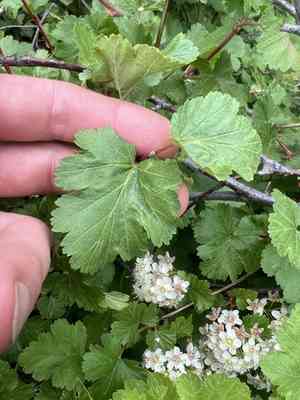
Distinguished by its exfoliating bark and blossoms of white or pink, mountain ninebark thrives with early spring trimming prior to the emergence of new foliage. Eliminate any deceased or frail branches to foster robust development and improve air movement. Reducing the density of branches enhances light exposure, leading to a more impressive floral presentation. Consistent trimming averts excessive density and sustains a controlled dimension. Pruning encourages strong new stems and abundant flowering, guaranteeing a lively and flourishing specimen.
What Are the Benefits of Pruning Mountain Ninebark?
What Are the Benefits of Pruning Mountain Ninebark?
Trimming mountain ninebark encourages robust development and helps maintain its form. It boosts blooming, prevents illness, and manages size, ensuring a thriving, attractive specimen. Regular trimming eliminates dead or diseased wood, fostering strong, visually appealing new growth.
What Is the Best Time for Pruning Mountain Ninebark?
What Is the Best Time for Pruning Mountain Ninebark?
Early spring is considered the optimal period for trimming mountain ninebark as it allows for the removal of any lifeless or damaged wood before the plant initiates its vigorous growth phase. Pruning at this time helps stimulate healthy new growth and ensures the plant has ample time to recover and produce fresh blooms during its flowering season. Furthermore, early spring pruning avoids disrupting the plant's blooming cycle, which typically occurs later in the season, guaranteeing a vibrant floral display.
What Tools Do I Need to Prune Mountain Ninebark?
Hand Pruners
Perfect for precise cuts on small to medium branches up to 1/2 inch in diameter. Essential for maintaining the shape and health of mountain ninebark.
Loppers
Suitable for cutting branches between 1/2 inch and 1 1/2 inches in diameter. Provide leverage for thicker, harder-to-reach branches on mountain ninebark.
Pruning Saw
Necessary for cutting larger branches exceeding 1 1/2 inches in diameter. A pruning saw ensures clean cuts on the thicker, older branches of mountain ninebark.
Bypass Pruners
Preferred for the healthiest cuts, reducing the risk of damage to living tissue. Ideal for daily maintenance and shaping of mountain ninebark.
Pole Pruner
Useful for accessing high branches without a ladder, ensuring safer and more efficient pruning of mountain ninebark growing in taller forms.
How to Prune Mountain Ninebark
Assess
Carefully examine mountain ninebark for any indications of diseased foliage, withered leaves, dead branches, and diseased branches. Identifying issues early ensures effective pruning.
Clean Tools
Before beginning the pruning process, sterilize your pruning shears with rubbing alcohol to prevent the spread of disease, ensuring all cuts are clean and sanitary.
Remove Diseased Leaves
Trim away any diseased leaves at their base to prevent further infection. Dispose of these infected leaves away from other plants to avoid spreading disease.
Trim Withered Leaves
Cut off any withered leaves close to the stem. This helps the plant conserve energy and promotes healthy growth.
Cut Dead and Diseased Branches
Using sharp, sterilized pruners, cut dead or diseased branches back to the nearest healthy part of the plant. Ensure cuts are made at a slight angle to allow water to run off and to facilitate healing.
Common Pruning Mistakes with Mountain Ninebark
Pruning too much
Novice gardeners often make the mistake of removing too much foliage at once. This can weaken the plant and affect its overall health and flowering potential.
Improper cuts
Incorrectly placed cuts, such as cutting too close to a bud or leaving too long a stub, can lead to die-back and increase the risk of disease.
Using dull tools
Using dull or unclean pruning tools can cause jagged cuts, which may invite disease and pests.
Neglecting deadwood removal
Failing to remove dead or diseased wood can spread infections and promote unhealthy growth.
Common Pruning Tips for Mountain Ninebark
Light pruning
Practice light pruning by removing only a third of the older shoots to maintain the plant's shape and encourage new growth.
Angle cuts
Always prune at a 45-degree angle, slightly above an outward-facing bud to promote better air circulation and growth direction.
Sanitize tools
Regularly clean and sharpen your pruning tools to ensure clean, precise cuts and minimize the risk of disease transmission.
Target problem areas
Focus on removing any dead, diseased, or damaged branches first to improve the plant's overall health before shaping.



