How to Transplant Physalis lagascae?
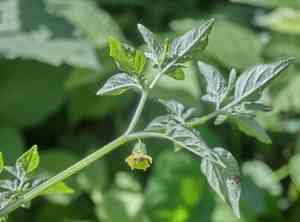
For physalis lagascae, the peak period for transplanting is during the core of the growing season, specifically from the end of spring to the middle of summer. This schedule guarantees that physalis lagascae benefits fully from warmer ground and extended daylight hours. Select a bright spot with soil that drains effectively to foster vigorous development, and if needed, provide a mild introduction by protecting it from strong gusts.
What Preparations are Needed Before Transplanting Physalis Lagascae?
What is the Ideal Time for Transplanting Physalis Lagascae?
Choose the pleasant period of late spring to early summer for moving physalis lagascae. This timeframe provides mild temperatures and consistent growth conditions, boosting their survival rate. By selecting this optimal window, you'll ensure physalis lagascae establishes itself firmly and thrives, utilizing the season's increasing warmth and gentle rainfall, crucial for strong development. This timely action can lead to more vigorous growth and a plentiful harvest, demonstrating your gardening skill!
How Much Space Should You Leave Between Physalis Lagascae Plants?
When getting ready to transplant physalis lagascae, it's essential to allow ample room for their growth. Aim for a separation of approximately 1-2 feet (30-60 cm) between each plant. This will enable them to mature and produce without competing for nutrients.
What is the Best Soil Mix for Physalis Lagascae Transplanting?
For optimal outcomes, physalis lagascae flourishes in soil that drains well. Improve the soil with an initial application of compost or an organic fertilizer. This will enrich the soil and encourage better plant health and development.
Where Should You Relocate Your Physalis Lagascae?
Physalis lagascae loves sunlight, so pick a spot where they will receive at least 6 hours of sun daily. The more sun they get, the healthier they will be. Remember, a sunny beginning contributes to a productive outcome.
What Equipments Should You Prepare Before Transplantation Physalis Lagascae?
Gardening Gloves
To keep your hands clean and protected when handling soil and physalis lagascae.
Garden Shovel or Spade
These tools will be necessary for digging the hole where you will transplant physalis lagascae.
Garden Fork
Ideal for loosening the soil in the area designated for transplanting.
Pruning Shears
You might need to reduce the plant's top growth to balance it with root loss during transplanting.
Watering Can
For providing the plant with a good drink after it has been transplanted.
Organic Compost or well-rotted manure
This can be added to the hole to supply nutrients and enhance drainage in the transplanting area.
How Do You Remove Physalis Lagascae from the Soil?
How Do You Remove Physalis Lagascae from the Soil?
From Ground: First, ensure you water the physalis lagascae plant sufficiently to slightly moisten the surrounding soil. Next, use a spade or shovel to dig a wide circle around the plant, far enough away to avoid damaging the root system. Carefully work the spade or shovel beneath the plant's root ball to lift it from its original spot.From Pot: Initially water the plant to facilitate easier removal and reduce the risk of root ball damage. Turn the pot sideways, gently hold the plant by its base, and tap the bottom of the container until the plant slides out. If the plant resists, you may need to press or tap the pot's sides to loosen the soil and make removal simpler.From Seedling Tray: Water the physalis lagascae seedlings first, then use a spoon or a small tool to carefully lift the seedling, including its roots and surrounding soil, from the tray. Be sure to handle the seedling by its leaves, not its stem, as the stem can be easily harmed.
Step-by-Step Guide for Transplanting Physalis Lagascae
Site Preparation
Dig a hole twice as wide as the root ball and equally deep in your chosen spot. Loosen the soil at the bottom of the hole with a garden fork, and mix in organic compost or well-rotted manure.
Planting
Place the physalis lagascae plant into the hole. The top of the root ball should be level with the surrounding soil. Backfill the hole and gently firm the soil by hand.
Watering
Immediately after planting, water the physalis lagascae generously, saturating the soil around the plant.
Prune if necessary
If your plant experienced significant root loss, trim the top growth of physalis lagascae with sharp pruning shears.
How Do You Care For Physalis Lagascae After Transplanting?
Watering
Ensure the soil remains consistently moist but not waterlogged. The initial weeks post-transplant are crucial for your physalis lagascae, and adequate water is vital for its roots to establish in the new location.
Mulching
Applying a layer of mulch around the physalis lagascae can help retain soil moisture, suppress weeds, and offer protection against pests. Remember to keep mulch away from the plant's stem to prevent rot.
Fertilizing
Wait a while after transplanting before fertilizing your physalis lagascae to prevent root burn. Always follow the product's instructions regarding dosage and timing. Watch for any signs of plant distress, which could indicate over or under-watering, or a nutrient deficiency.
Troubleshooting Common Issues with Physalis Lagascae Transplantation.
When is the best time to transplant physalis lagascae?
The optimal transplanting period for physalis lagascae is between its third and fifth growth stages. This generally corresponds with late spring to mid-summer.
What should be the perfect gap between two physalis lagascae plants?
It is highly advisable to maintain a distance of 1-2 feet (30-60 cm) between each physalis lagascae plant. This ensures they have sufficient room for healthy development.
Why are my transplanted physalis lagascae plants wilting?
Wilting can be a result of transplant shock, a common issue when plants are moved under unfavorable conditions. Keep the soil consistently watered and initially avoid intense sunlight.
How should I prepare the soil for physalis lagascae transplanting?
For physalis lagascae, enrich the soil with organic compost. Maintain a neutral to slightly alkaline pH. Ensure the soil drains well to prevent waterlogging.
What is the recommended depth for transplanting physalis lagascae seedlings?
A hole 3-4 inches (7.5-10 cm) deep should suffice. Make sure to fully cover the root ball of the physalis lagascae seedling.
Should I prune physalis lagascae before transplanting?
Yes, trimming the plant can lessen stress. Remove any damaged or diseased leaves and stems, but be careful not to harm the main shoots.
How often should I water physalis lagascae after transplanting?
Water physalis lagascae thoroughly immediately after transplanting. Maintain regular watering based on the plant's needs, typically every 2-3 days during the initial weeks.
What precautions should I take to prevent transplant shock in physalis lagascae?
Transplant in the evening or on a cloudy day to minimize shock. Also, keep the roots moist during transplanting and water the plant thoroughly once it's relocated.
Why are the leaves turning yellow on my transplanted physalis lagascae?
Yellowing leaves can indicate overwatering or poor drainage. Ensure proper watering, assess soil conditions, and adjust as needed.
Can I use fertilizer immediately after transplanting physalis lagascae?
Wait at least 2-4 weeks before applying a light, balanced fertilizer. Allowing the physalis lagascae time to establish and adjust reduces the risk of root burn from immediate fertilization.



