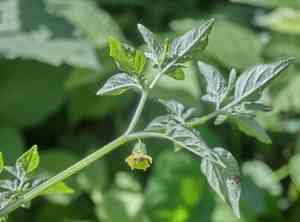
Physalis lagascae (Physalis lagascae)
Also known as: Sunberry, Wild Tomato
Muntingia calabura is a perennial herb native to tropical America, known for its cherry-like flavored fruits. While sometimes cultivated for its edible fruit, it often thrives as a common weed in disturbed areas with dry seasons.
Attributes of Physalis lagascae
Images of Physalis lagascae
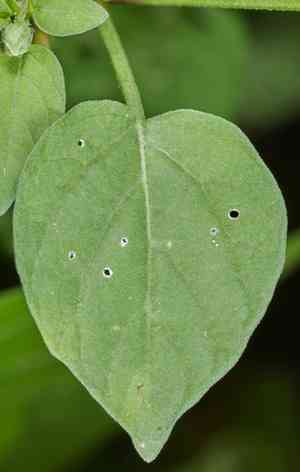
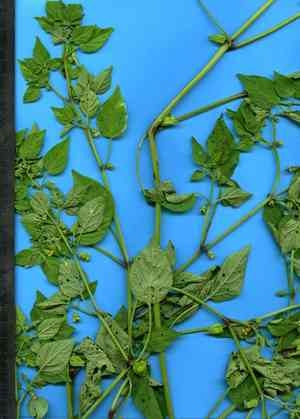
Quickly Identify Physalis lagascae
Scientific Classification of Physalis lagascae
Planting and Growing of Physalis lagascae
 How to Water Physalis lagascae?
 What Are the Sunlight Requirements for Physalis lagascae?
 What Is the Ideal Temperature Range for Physalis lagascae?
 What Soil is Best for Physalis lagascae?
 How to Fertilize Physalis lagascae?
 How to Prune Physalis lagascae?
 How to Propagate Physalis lagascae plant?
 How to Repot Physalis lagascae plant?
Toxicity of Physalis lagascae
Is Physalis lagascae toxic to humans?
Physalis lagascae possesses toxic properties when consumed. The plant contains solanine, a harmful substance that can trigger moderate to severe poisoning reactions. Nearly all sections of the plant—including leaves, stems, flowers, and unripe fruits—are toxic. Nevertheless, the fruit becomes generally safe for consumption when it is ripe and sweet. Overconsumption of the toxic parts of Physalis lagascae may result in symptoms such as diarrhea, stomach discomfort, nausea, headaches, or potentially fatal outcomes. Frequently, children or uninformed foragers are at risk of mistakenly consuming the unripe berries, believing them to be safe edible food.



