How Much Sunlight Do Physalis lagascae Need?
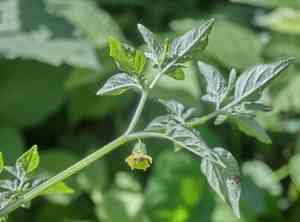
1
Physalis lagascae flourishes optimally with ample sun exposure, requiring a minimum of six hours of direct sunlight daily.
2
Insufficient light can result in stunted development and heighten Physalis lagascae's vulnerability to illnesses and infestations.
3
When cultivating indoors over winter, employ artificial grow lights to replicate the natural solar conditions essential for Physalis lagascae.
Ideal Illumination for Physalis lagascae
Full Sun Requirements
For peak development, Physalis lagascae needs ample sunshine, meaning a minimum of 6 hours of direct light daily. Ideally, select a garden or balcony spot that gets continuous sun from dawn until mid-afternoon. Sufficient light enables efficient photosynthesis, leading to healthier plants and more abundant fruit.
Partial Shade Tolerances
Physalis lagascae can endure some partial shade, especially during the hottest parts of the day. In regions with very intense sun, providing afternoon shade can prevent leaf scorch. However, ensure the plant still receives enough light to flourish even in partial shade.
Indirect Light Adaptations
Though Physalis lagascae prefers direct sun, it can adjust to indirect light. This is particularly useful for indoor cultivation. Position it near a south or west-facing window for bright, indirect illumination. If natural light is insufficient, consider supplementing with grow lights to maintain necessary intensity.
Impact of Insufficient Light on Physalis lagascae
Symptoms of Low Light Exposure
Without adequate sunlight, Physalis lagascae plants may show several signs of stress. These include pale or yellowing foliage, elongated stems as the plant stretches for light, and reduced blooming and fruiting. Observe these indicators, as they suggest the plant lacks necessary light.
Growth Rate Reduction
A key consequence of insufficient sunlight is a decrease in the plant's growth rate. Physalis lagascae requires sunlight to generate the energy needed for growth. Inadequate light hinders effective photosynthesis, resulting in stunted development and smaller fruits.
Potential Disease and Pest Issues
Lack of sunlight can weaken Physalis lagascae, making it more susceptible to diseases and pest infestations. A compromised plant may struggle to resist common problems like fungal infections, which thrive in dim, humid conditions. Ensuring proper sunlight helps maintain the plant's robust immune system.
Seasonal Light Changes for Physalis lagascae
Spring and Summer Needs
During spring and summer, Physalis lagascae reaches its growth peak. This period demands the most sunlight, ideally 6-8 hours daily. Ensure maximum exposure by placing it in the sunniest garden spot. Regularly check for potential shading from other plants or structures.
Fall and Winter Adjustments
As days shorten in fall and winter, Physalis lagascae receives less natural light. Adjust by moving the plant to a location that captures the most available light. If outdoors, consider using cloches or mini-greenhouses to slightly extend the growing season.
Tips for Indoor Growing During Low Sunlight Periods
Cultivating Physalis lagascae indoors during low light periods can be challenging but manageable. Use grow lights to supplement natural light, positioning them close to the plant. LED grow lights are energy-efficient and effective for providing the full spectrum needed for photosynthesis. Also, rotate the plant periodically for even light distribution.
Maximizing Light Exposure for Physalis lagascae
Best Locations for Planting
To maximize light exposure for Physalis lagascae, choose an optimal planting site like a south-facing garden bed or balcony. Avoid planting near tall structures or trees that could cast shadows. If space is limited, consider using raised beds to elevate the plant into sun-rich areas.
Using Reflective Materials
Reflective materials can significantly boost the amount of sunlight your Physalis lagascae receives. Placing reflective surfaces such as aluminum foil or whiteboards around the plant can bounce light onto it from various angles, enhancing overall light exposure.
Pruning Techniques to Enhance Light Penetration
Proper pruning can improve light penetration to all plant parts. Remove any dead or overcrowded branches that might block sunlight from reaching lower leaves. Thinning the foliage ensures light reaches the plant's inner sections, promoting balanced growth.
Frequently Asked Questions About Physalis lagascae Sunlight Needs
Can Physalis lagascae Grow in Low Light Conditions?
While Physalis lagascae can survive in low light, it will not flourish. The plant requires full sunlight for optimal growth and fruit production. Extended periods of low light can lead to poor development and reduced yields.
How to Adjust Light Conditions for Physalis lagascae Indoors?
To adjust indoor light for Physalis lagascae, place the plant near a bright window and use grow lights for extra illumination. Consistent light management and regular plant rotation can help it adapt well indoors.
What Are the Best Practices for Transitioning Physalis lagascae from Indoors to Outdoors?
When moving Physalis lagascae from indoors to outdoors, do so gradually over a week. Begin by placing the plant in a shaded outdoor spot, slowly moving it to sunnier locations each day. This helps the plant acclimate without getting sunburned.



