How to Propagate Physalis lagascae?
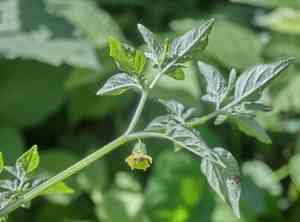
Physalis lagascae is predominantly multiplied by seeding in the springtime. Its cultivation is quite straightforward, and successful reproduction is evidenced by the appearance of robust young plants. Sufficient hydration and warmth are essential for peak development.
Optimal Time for Physalis Lagascae Propagation
Propagation Method
Seeding
Propagation Period
Spring
Tools for Propagating Physalis Lagascae
Seed Trays or Flats
Seed trays or flats offer an organized method for planting and sprouting physalis lagascae seeds. They aid successful propagation by ensuring even seed distribution and maintaining ideal conditions for germination—such as warmth, moisture, and soil makeup.
Sterile Potting Mix
A sterile potting mix is vital for preventing diseases that could negatively impact physalis lagascae seedlings. It provides a nutrient-rich, well-draining medium that supports the growth of strong, healthy roots.
Heating Mat
A heating mat can ensure the perfect soil temperature for physalis lagascae seed germination. This tool is especially useful for maintaining consistent warmth, a key factor in promoting quicker and more uniform germination rates.
Humidity Dome or Plastic Wrap
A humidity dome or plastic wrap placed over the seed tray creates a mini-greenhouse effect. It helps maintain high humidity and stable temperatures around physalis lagascae seeds, boosting germination success and initial development.
Watering Can with a Fine Rose
A watering can with a fine rose delivers gentle, even watering, perfect for physalis lagascae seeds and young seedlings, helping prevent soil disruption and harm to delicate young plants.
Tweezers or Dibber
Tweezers or a dibber are useful for handling and precisely placing small physalis lagascae seeds in the soil without causing damage. These tools are particularly important for achieving the correct planting depth and spacing.
Grow Light (Optional)
In areas with limited natural sunlight, a grow light can supplement light needs for physalis lagascae seedlings, encouraging robust growth and preventing stretching. This tool is especially helpful to ensure adequate light exposure during early growth stages.
How to Propagate Physalis Lagascae
Propagation Method
Seeding
Difficulty Level
Easy
Caring for Newly Propagated Physalis Lagascae
Caring for Newly Propagated Physalis Lagascae
After propagation, physalis lagascae requires consistent care to flourish. Water plants regularly but avoid overwatering, as physalis lagascae prefers soil that is moist but drains well. Provide a balanced, slow-release fertilizer to nourish plants a few weeks after transplanting. Mulch around the base can help retain moisture and suppress weeds. As physalis lagascae matures, it may need support structures if it becomes too heavy with fruit. Monitor for pests and diseases, and apply organic pest control methods as needed. Ensure physalis lagascae continues to receive full sunlight and protect it from frost or extreme temperatures.
Common Propagation Mistakes for Physalis Lagascae
Overwatering
Excessive watering of physalis lagascae can lead to root rot, which is detrimental to root development and overall plant health. This is particularly true for physalis lagascae, which prefer well-draining soil conditions.
Neglecting soil composition
Failing to provide a well-draining soil mix can cause water retention around the roots of physalis lagascae, potentially leading to fungal infections or plant death due to the delicate root system that requires proper aeration.
Excessive fertilizer use
Applying too much fertilizer can result in chemical burns to the roots and foliage of physalis lagascae. This can severely hinder growth and complicate the acclimatization of young plants.
Tips for Propagating Physalis Lagascae
Adequate light
Providing physalis lagascae with bright, indirect light is essential for the healthy development of new shoots and roots. This mimics their natural environment and promotes vigorous growth.
Gentle handling
Roots and stems of physalis lagascae are generally delicate during the propagation phase. Gentle handling is crucial to avoid physical damage which can impede or even prevent successful propagation.
Proper hydration
Maintaining a balance of moisture is vital for physalis lagascae. Soil should be kept lightly moist but not waterlogged to support root growth without risking water-related diseases.



