How to Transplant Giant japanese?
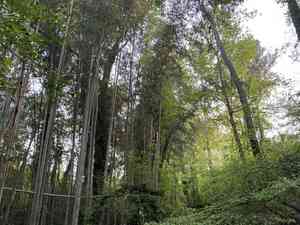
For giant japanese, the ideal period for transplantation spans from the warmth of late spring through the peak of midsummer, facilitating robust root development. Select a sunny spot with sufficient room, and if necessary, amend the soil before moving the plant to encourage successful acclimation.
What Preparations are Needed Before Transplanting Giant Japanese?
What is the Ideal Time for Transplanting Giant Japanese?
The optimal period to move your giant japanese is from late spring through mid-summer. This timeframe offers your giant japanese extended daylight and sufficient warmth, both crucial for root establishment in its new location. Relocating during these productive months promotes vigorous development, providing giant japanese the resilience required before colder seasons arrive. Utilize these prime weeks to guarantee a smooth transition for your giant japanese, setting the stage for years of lush beauty.
How Much Space Should You Leave Between Giant Japanese Plants?
When planning the placement of your giant japanese, aim for a separation of approximately 5-10 feet (1.5-3 meters). This spacing allows each plant ample room to flourish without competing for essential nutrients or sunlight. Consider it providing each plant its own territory to grow robustly and healthily!
What is the Best Soil Mix for Giant Japanese Transplanting?
Your giant japanese will flourish in soil that is fertile and drains effectively. Incorporate compost or aged manure as a foundational fertilizer to give your plants a strong start. This preliminary work will create a supportive environment, supplying vital nutrients for vigorous growth.
Where Should You Relocate Your Giant Japanese?
Position your giant japanese in a sunny location where it can receive at least 6 hours of direct sunlight daily. Some morning or evening shade is acceptable, but these large plants truly thrive in bright light! The correct sunny spot encourages healthy development and the most attractive plants.
What Equipments Should You Prepare Before Transplantation Giant Japanese?
Gardening Gloves
To safeguard your hands while handling soil and the plant.
Shovel or Spade
To excavate around and beneath the plant, ensuring the root ball can be lifted whole.
Pruning Shears
To trim any damaged roots or branches prior to relocation.
Wheelbarrow or Tarp
For moving the plant from its original spot to the new planting site without harming the root ball.
Rake
To level the soil surface after the transplant.
Watering Can or Hose
To hydrate the plant before and after transplanting to maintain soil moisture.
How Do You Remove Giant Japanese from the Soil?
How Do You Remove Giant Japanese from the Soil?
From Ground: First, water the giant japanese plant to moisten the soil and reduce plant stress. Next, use a shovel or spade to dig a wide circle around the plant, being careful not to harm the root system. A good guideline is to dig a trench roughly as deep as the plant's height. Gently lift the plant from the ground with its root ball intact.From Pot: Water the giant japanese thoroughly beforehand. Turn the pot on its side and gently tap the edges to loosen the root ball. If the plant doesn't slide out easily, you might need to cut the pot away, taking care not to damage the roots.From Seedling Tray: Water the seedlings to ensure the soil is damp. Carefully hold the base of the giant japanese and use a spoon or a specialized seedling tool to lift it, making sure the root mass comes out with the seedling.
Step-by-Step Guide for Transplanting Giant Japanese
Timing
Relocate the giant japanese during its dormant phase, late winter or early spring, to minimize plant stress and increase transplant success. Avoid transplanting on extremely hot or cold days.
Digging the Hole
Excavate a generous hole where you intend to transplant the giant japanese, making it twice as wide and the same depth as the root ball. This will facilitate easier root expansion in its new environment.
Placing the Plant
Gently position the giant japanese in the center of the hole. Adjust the depth by adding or removing soil from the bottom until the giant japanese sits at the same level it was in its previous ground or container.
Refilling the Hole
Carefully backfill the hole with the excavated soil, lightly compacting it to eliminate air pockets. Water thoroughly to settle the soil around the roots and add more soil if needed after the water has drained.
Stabilizing
Use your hands or a rake to firm the soil around the giant japanese's base. If the giant japanese is particularly tall or large, you may use stakes for support. Ensure stakes are placed outside the root ball area to prevent root damage.
Final Watering
Give the giant japanese a deep watering at its base to encourage downward root growth. This will also help alleviate transplant shock.
How Do You Care For Giant Japanese After Transplanting?
Monitoring
Inspect the giant japanese daily for the first few weeks, looking for signs of transplant shock like wilting or discolored leaves.
Mulching
Apply a layer of mulch around the base of the giant japanese to help retain moisture and suppress weed growth. Leave some space around the stem to prevent rot.
Staking
If the giant japanese is tall, ensure stakes are firmly in place and adjust ties as the plant grows. Avoid tying too tightly.
Pruning
Remove any broken or damaged branches and leaves to direct the giant japanese's energy towards root establishment.
Regular Watering
Continue to water the giant japanese consistently, especially during dry periods, to promote deep root development.
Observation
Keep an eye on the giant japanese's overall health and growth, and promptly address any issues to ensure successful establishment.
Troubleshooting Common Issues with Giant Japanese Transplantation.
Why is my giant japanese not thriving after transplanting?
Ensure it was moved during late spring to mid-summer when conditions are optimal. Check watering habits, soil quality, and if it's planted at the correct depth.
What's the best spacing for transplanting giant japanese successfully?
For optimal growth, allow 5-10 feet (1.5-3 meters) between each plant. This provides roots and shoots sufficient room.
How deep should I plant giant japanese during transplantation?
Plant the root ball so it's level with the soil surface. Planting too deep or shallow will harm it.
What kind of sunlight exposure is needed for transplanted giant japanese?
Full sun to partial shade will work well. Ensure the spot receives at least four hours of direct sunlight daily.
How much should I water giant japanese after transplanting?
Initially, water deeply once a week. Adjust based on weatherâmore during hot, dry periods, less when rainy.
Is it necessary to fertilize giant japanese after transplanting?
Wait 4-6 weeks before fertilizing to allow roots to establish. Then, feed lightly with a balanced fertilizer.
Should I mulch around giant japanese after transplanting?
Yes, a mulch layer of 2-3 inches (5-7.5 cm) retains moisture, regulates soil temperature, and reduces weed growth.
What soil type is best when transplanting giant japanese?
A well-draining soil rich in organic matter helps giant japanese thrive. Amend poor soil as necessary before transplanting.
How do I protect transplanted giant japanese from pests and diseases?
Use organic mulch, water correctly, and monitor for signs of stress or leaf damage to stay ahead of problems.
Can I transplant giant japanese in containers?
Absolutely! Ensure containers are large enough and have drainage holes. Follow the same care guidelines as ground planting.



