The Giant japanese Plant Advantage: Maximizing Home and Office Appeal and Wellness
1
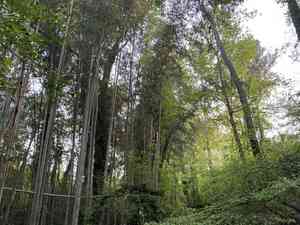
Giant Japanese is recognized for its swift development and remarkable dimensions.
2
This botanical variety is vital for preventing soil degradation.
3
Giant Japanese provides a superb supply of premium wood and other eco-friendly resources.
What Makes Giant Japanese Unique?
Exceptional Growth Pace
A standout characteristic of Giant Japanese is its swift growth. This plant can extend several feet within a single year, making it an excellent choice for establishing natural barriers or screens quickly. Its rapid development also supports its effective use in reforestation and soil stabilization efforts.
Sustainable Wood Source
Giant Japanese is not merely visually striking; it also provides a sustainable supply of premium timber. Its robust and enduring wood is utilized for diverse purposes, from construction to crafting furniture. This positions Giant Japanese as an eco-friendly alternative to conventional wood sources, especially due to its fast-growing nature.
How Does Giant Japanese Benefit the Environment?
Soil Erosion Prevention
Soil erosion poses a significant environmental challenge, but Giant Japanese offers a natural remedy. The plant's strong root system helps to bind the soil, decreasing the likelihood of erosion. This advantage is particularly valuable in areas susceptible to landslides or heavy rainfall.
Carbon Capture
Giant Japanese plays a vital role in carbon sequestration. This process involves capturing and storing atmospheric carbon dioxide, which aids in mitigating climate change. By cultivating Giant Japanese, we can contribute to a reduction in greenhouse gases and help safeguard our planet for future generations.
What Are the Practical Applications of Giant Japanese?
Crafting and Furniture Production
The strong and pliable timber of Giant Japanese is perfect for crafting and furniture making. Artisans value its durability and the aesthetic appeal it offers. From intricate carvings to sturdy furniture pieces, the wood from Giant Japanese is both versatile and dependable.
Edible Shoots
Though less widely known, the young shoots of Giant Japanese are edible and feature in various culinary traditions. They are often harvested and processed into a range of food products. These shoots are not only nutritious but also impart a distinctive flavor to many dishes.
How Is Giant Japanese Cultivated?
Optimal Growing Conditions
Giant Japanese thrives in various soil types, though it prefers well-drained, loamy soils. It requires moderate to full sunlight for optimal growth. This adaptability makes it suitable for different geographical locations, contributing to its widespread cultivation.
Maintenance Advice
While relatively low maintenance, Giant Japanese benefits from regular pruning to encourage healthy growth. Additionally, ensuring the plant receives adequate water, especially during dry spells, will help it flourish. Fertilization can also boost growth, although Giant Japanese is resilient and often thrives without it.
Why Choose Giant Japanese for Your Garden or Landscape?
Visual Appeal
Giant Japanese adds a distinct aesthetic to gardens and landscapes, thanks to its tall and graceful stems. The plant provides a lush, green backdrop and can serve as a focal point in outdoor design. Its towering presence also makes for an excellent natural privacy screen.
Biodiversity Support
Planting Giant Japanese can enhance biodiversity in your garden. The plant offers habitat and food for various wildlife, including birds and insects. This contributes to a healthier ecosystem and promotes a balanced natural environment.



