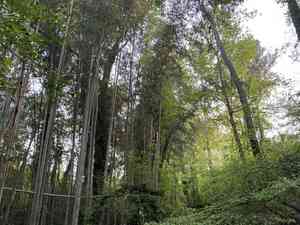
Giant japanese (Phyllostachys reticulata)
Also known as: Giant timber bamboo
Phyllostachys reticulata is a perennial, woody bamboo species. Similar to other members of the Phyllostachys genus, it spreads through an underground rhizome system. The rhizomes are relatively slender compared to the robust stalks they produce. These rhizomes are of the leptomorphic type, meaning they extend horizontally and give rise to new shoots from late spring onwards. Instead of growing in a clustered manner, they spread out over a wide area, much like a lawn, allowing the bamboo to cover large expanses efficiently.
In This Article
Attributes of Giant japanese
Lifespan
Perennial
Plant Type
Tree, Herb
Plant Height
20 m
Spread
10 cm
Leaf Color
Medium to dark green
Flower Size
N/A (flowers infrequently and irregularly)
Flower Color
N/A
Images of Giant japanese
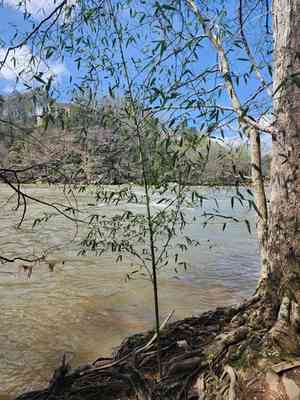
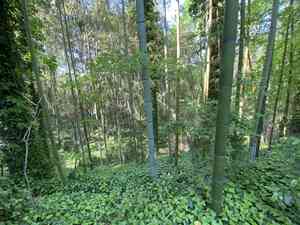
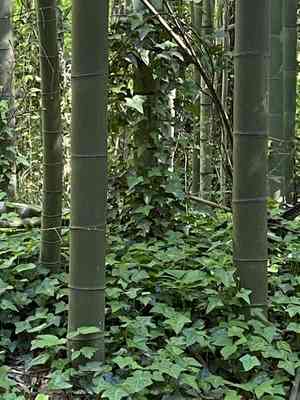
Quickly Identify Giant japanese
1
Moso Bamboo can be identified by its tall, straight culms that can reach heights of up to 28 meters. The culms are usually covered in a fine powdery substance and have a distinctive blue-green hue when young, maturing to a yellowish color. The internodes are cylindrical, and the leaves are lanceolate, medium to dark green, and densely packed.
Scientific Classification of Giant japanese
Phylum
Vascular plants
Class
Monocotyledons
Order
Grasses, sedges and allies
Family
Grass
Genus
Bamboo
Species
Giant japanese
Planting and Growing of Giant japanese
Care Difficulty
Easy
Watering Schedule
Every 4 days
Sunlight Requirements
Partial sun
Sunshine Duration
4-8 hours
Ideal Temperature
60-85℉
Soil Type
Potting Mix, Peat Mix
Soil pH
6-7.5
Fertilizer Type
Balanced
Pruning Season
Spring, Summer
Pruning Area
Branches, Leaves
Pruning Frequency
2 times a year
Repotting Season
Spring
Pot Type
Plastic, Ceramic
 How to Water Giant japanese?
When watering Phyllostachys reticulata, aim for about 500 ml per session. The goal is to moisten the soil thoroughly, allowing water to reach the root system without leaving standing water. Make sure the soil is draining well to avoid waterlogging.
What are the symptoms of an underwatered Giant japanese?
›
What should I do if my Giant japanese is not getting enough water?
›
What are the symptoms of an overwatered Giant japanese?
›
How to save an overwatered Giant japanese?
›
 What Are the Sunlight Requirements for Giant japanese?
Phyllostachys reticulata needs partial sun, ideally receiving some morning light and afternoon shade. Proper lighting provides benefits such as robust growth, healthy leaves, and protection from sunburn, enhancing overall plant health.
More About Sunlight Requirements Techniques→
What is the best light condition for Phyllostachys reticulata?
›
How can I achieve these ideal lighting conditions?
›
What benefits does optimal lighting offer to the plant?
›
 What Is the Ideal Temperature Range for Giant japanese?
Phyllostachys reticulata thrives best in environments where the temperature remains between 60°F and 85°F. This range allows for optimal photosynthesis and growth while also ensuring that cellular processes within the plant function efficiently. Staying within this range also minimizes stress on the plant, which can lead to better foliage and overall health.
 What Soil is Best for Giant japanese?
Phyllostachys reticulata thrives in moist, well-draining soils. It benefits from soils that can retain moisture but still drain well to prevent root rot. Ensuring that the soil maintains moisture will support the vigorous growth and health of the bamboo. This bamboo prefers nutrient-rich soils that can provide the necessary minerals and elements. Enriching the soil with organic matter, such as compost, can greatly enhance growth by supplying essential nutrients that promote healthy shoots and leaves. Good soil aeration is crucial for Phyllostachys reticulata, allowing roots to access oxygen easily. Loamy and sandy loam soils offer the perfect balance, supporting the plant's respiration and preventing compacted soil, which can hinder growth.
 How to Fertilize Giant japanese?
For fertilizing Phyllostachys reticulata, it's recommended to use a balanced 10-10-10 NPK fertilizer. Apply liquid fertilizer at a rate of 1 tablespoon per gallon of water, and ensure the solution saturates the root area.
 How to Prune Giant japanese?
Begin by identifying the strongest and most vigorous canes. Trim down the weak, damaged, or intersecting canes at ground level to keep the bamboo clump tidy. Use sharp, clean tools to make precise cuts and prevent plant diseases. Focus on thinning the older and less productive canes to promote vitality.
More About Pruning Techniques→
 How to Propagate Giant japanese plant?
1
Collect seeds during the right time of year and let them dry. Before sowing, soak the seeds for 24 hours in lukewarm water to improve germination rates.
2
Carefully dig up the plant without damaging the roots. Divide the root clump into several sections using a sharp knife or trowel, ensuring each section has at least a few shoots.
3
Take cuttings from healthy non-flowering stems, around 5-8 inches long. Ensure each cutting has at least two leaf nodes. Place cuttings in a rooting medium to encourage root development.
 How to Repot Giant japanese plant?
1
Phyllostachys reticulata should be repotted when its roots begin to outgrow the current pot. You'll notice roots poking out of the drainage holes or above the soil surface. Repotting in the growing seasons of spring or early summer allows the plant to recover and establish quickly.
2
Select a pot that is at least 2 inches larger in diameter than the current one. This gives the rhizomes ample space to expand without becoming quickly root-bound again. A pot with good drainage holes is essential to prevent waterlogging, which can lead to root rot.
3
Choose a loamy, well-draining soil mix that's rich in organic matter. This type of soil retains essential moisture yet prevents excessive water accumulation, ensuring the roots stay healthy and well-aerated. It also provides essential nutrients for vigorous growth.



