How to Prune Giant japanese?
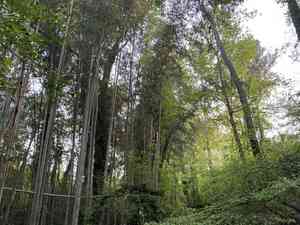
This lofty bamboo variety necessitates trimming to control its dimensions and foster robust development. Essential methods involve reducing the density of mature stalks and cutting back shoots near the ground. The most effective time for pruning is in the initial part of spring or the latter portion of winter, when giant japanese's development is inactive, thereby lessening strain on the specimen. Consistent trimming also enhances air circulation, light access, and can stimulate fresh, energetic shoots. Caution must be exercised to prevent excessive pruning, ensuring the preservation of its structural soundness and visual appeal.
Advantages of Trimming Giant Japanese
Advantages of Trimming Giant Japanese
Trimming giant japanese encourages robust new growth, helps maintain its desired form, and can improve its overall health, decreasing the chance of illness. This practice is crucial for managing size and ensuring visual appeal.
Optimal Period for Trimming Giant Japanese
Optimal Period for Trimming Giant Japanese
Late winter and early spring are the best times to trim giant japanese, as the plant remains dormant. This timing prevents significant sap loss, which is more active during the growing season, and ensures rapid wound healing before new growth emerges. Trimming in these seasons helps preserve the health and structural integrity of giant japanese, promoting vigorous growth when the active phase begins in spring. It avoids disruption during flowering or fruiting and allows gardeners to remove any winter frost damage.
Tools Required for Trimming Giant Japanese
Hand Pruners
Perfect for cutting smaller stems and shaping giant japanese. The bypass type is preferred over the anvil type for cleaner cuts that heal faster.
Loppers
Essential for cutting thicker stems of giant japanese up to 2 inches in diameter. The long handles provide leverage for easier cutting.
Pruning Saw
Crucial for removing large stems and managing the growth of giant japanese. A saw with coarse teeth is suitable for cutting through bamboo’s dense fibers.
Hedging Shears
Useful for shaping and controlling the upper growth of giant japanese, providing a neat finish after the main trimming work.
Pole Saw
Allows for the removal of high branches without a ladder, ensuring safe trimming practices for taller giant japanese specimens.
Heavy-Duty Loppers
Recommended if giant japanese has exceptionally thick stems that regular loppers might not cut cleanly.
How to Trim Giant Japanese
Identification
Confirm the presence of diseased and withered leaves on giant japanese. Diseased leaves may show unusual colors, spots, or deformities. Withered leaves are typically dry, brown, and brittle.
Disinfection
Before starting the trimming process, sanitize the pruning shears to prevent disease spread. Wipe the blades with a cloth soaked in a solution of one part bleach to nine parts water, or use rubbing alcohol.
Trimming diseased leaves
Carefully trim diseased leaves from giant japanese, making a clean cut near the base of the leaf stem. Be careful not to harm adjacent healthy leaves or stems.
Trimming withered leaves
Similarly, remove any withered leaves individually by cutting at the base of the leaf stem. Ensure cuts are made close to the stem to encourage quicker healing.
Cleanup disposal
Collect all removed material and dispose of it properly, away from healthy giant japanese specimens, to minimize disease spread risk. Thoroughly clean the pruning shears after use.
Common Trimming Errors with Giant Japanese
Over-trimming
Cutting too much at once can stress giant japanese, potentially leading to reduced vigor and increased susceptibility to diseases.
Incorrect cut placements
Making cuts too close or too far from the node can harm giant japanese, either by creating stubs that attract pests or by damaging the growing tissue.
Using dull tools
Trimming with dull or unclean tools can result in jagged cuts that do not heal well, making giant japanese more prone to infections.
Neglecting old culms
Failing to remove older, less productive culms can lead to excessive clutter, reducing light penetration and air circulation for giant japanese.
Uneven trimming
Trimming unevenly may result in an unbalanced plant structure, causing giant japanese to grow irregularly and potentially become unstable.
General Trimming Advice for Giant Japanese
Selective trimming
Target specific culms for removal, focusing on those that are dead, damaged, or over three years old, to maintain the vitality of giant japanese.
Clean cuts
Make clean cuts with sharp, sterile tools to promote quick healing and minimize stress to giant japanese.
Thinning
Thin out dense areas selectively to improve light penetration and air flow, which supports the overall health and aesthetics of giant japanese.
Uniform structure
Aim for a uniform structure during trimming to maintain stability and encourage a visually appealing shape in giant japanese.
Culm height variation
Maintain varying heights among the culms to create a natural, staggered appearance rather than a level top, enhancing the look and wellbeing of giant japanese.



