How to Transplant Phyllanthus ussuriensis?
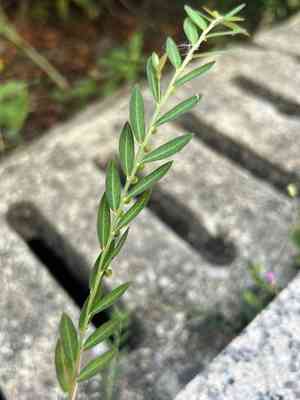
Phyllanthus ussuriensis flourishes most effectively when relocated in the prime window of early to mid-spring, benefiting from suitable temperatures and developmental circumstances. Select a brightly lit spot with soil that drains efficiently to guarantee the plant's seamless adjustment to its new surroundings.
What Preparations are Needed Before Transplanting Phyllanthus Ussuriensis?
What is the Ideal Time for Transplanting Phyllanthus Ussuriensis?
Phyllanthus ussuriensis, an annual, flourishes when moved from early to late spring. During this period, ground temperatures are optimal, fostering robust root development and minimizing transplant stress. This timing aligns with its natural growth cycle, ensuring strong development and maximizing bloom potential. Consequently, phyllanthus ussuriensis establishes more effectively and grows vigorously throughout the growing season.
How Much Space Should You Leave Between Phyllanthus Ussuriensis Plants?
For transplanting phyllanthus ussuriensis, ensure a spacing of 12-18 inches (30-45 cm) between them. This provides ample room for each plant to grow and spread comfortably.
What is the Best Soil Mix for Phyllanthus Ussuriensis Transplanting?
Prepare well-draining soil, rich in organic matter, and incorporate a balanced base fertilizer before transplanting phyllanthus ussuriensis. This supplies the essential nutrients for healthy growth.
Where Should You Relocate Your Phyllanthus Ussuriensis?
Select a site that receives full sunlight, ideally 6-8 hours of direct sun daily. This will ensure phyllanthus ussuriensis gets the necessary light to thrive.
What Equipments Should You Prepare Before Transplantation Phyllanthus Ussuriensis?
Gardening Gloves
To safeguard your hands while handling soil and plants.
Trowel
For excavating the planting hole and working around plant roots.
Shovel or Spade
For digging a wider planting hole and lifting the plant if it's in the ground.
Watering Can or Hose
To hydrate the plant before and after relocation.
Garden Fork
To gently loosen the plant's roots if necessary.
Mulch
To help retain moisture and suppress weeds around the plant after transplanting.
How Do You Remove Phyllanthus Ussuriensis from the Soil?
How Do You Remove Phyllanthus Ussuriensis from the Soil?
From Ground: First, water the phyllanthus ussuriensis plant to moisten the soil. Then, dig a wide trench around the plant using a shovel or spade, ensuring the plant's root ball remains intact. Carefully work the spade under the root ball to lift the plant from its original location.From Pot: Gently water the phyllanthus ussuriensis plant to dampen the soil, making removal easier. Tilt the pot slightly and tap the sides to loosen the soil. Carefully slide the plant out, gently separating any circling roots.From Seedling Tray: Water the seedling first to keep the roots moist. Support the seedling by the leaves or stem and use a small trowel or your hand to carefully lift it from the tray, being cautious not to damage the delicate roots.
Step-by-Step Guide for Transplanting Phyllanthus Ussuriensis
Prepare Tools and Materials
Gather all necessary tools and materials before starting the transplanting process to ensure you are fully prepared.
Prepare the Planting Hole
Dig a hole at the new site that's about twice the width of the phyllanthus ussuriensis's root ball and just as deep. This will give the roots plenty of room to spread out.
Water the Plant
Thoroughly water the phyllanthus ussuriensis plant in its original location. This helps to reduce transplant shock and makes removal easier.
Remove the Plant
Follow the appropriate removal process from its original location (ground, pot, or seedling tray). Ensure the roots are kept intact as much as possible.
Transfer the Plant
Carefully place the phyllanthus ussuriensis plant into the prepared hole. Ensure that the top of the root ball is level with the ground surface.
Backfill the Hole
Gently fill the hole with soil, pressing down lightly to eliminate air pockets and support the plant.
Water Again
Water the plant thoroughly to help the soil settle and provide initial moisture for the roots.
How Do You Care For Phyllanthus Ussuriensis After Transplanting?
Watering
Keep the soil around the phyllanthus ussuriensis consistently moist, but not soggy, for the first few weeks after transplanting to help establish strong roots.
Mulching
Apply a layer of mulch around the base of the phyllanthus ussuriensis to retain moisture and reduce weeds, but leave a small gap around the stem to prevent rot.
Monitoring
Regularly check the phyllanthus ussuriensis for signs of transplant shock, such as wilting or yellowing leaves, and provide additional care as needed.
Troubleshooting Common Issues with Phyllanthus Ussuriensis Transplantation.
When is the best time to transplant phyllanthus ussuriensis?
Transplant phyllanthus ussuriensis from early spring to late spring when the soil is workable.
How far apart should I space phyllanthus ussuriensis plants?
Space phyllanthus ussuriensis plants 12-18 inches (30-45 cm) apart to ensure healthy growth.
What soil conditions are ideal for phyllanthus ussuriensis during transplantation?
Use well-draining, fertile soil rich in organic matter for transplanting phyllanthus ussuriensis.
How deep should I plant phyllanthus ussuriensis when transplanting?
Plant phyllanthus ussuriensis at the same depth they were initially growing in their containers.
Should I water phyllanthus ussuriensis immediately after transplanting?
Yes, water thoroughly after transplanting phyllanthus ussuriensis to help settle the soil around the roots.
How can I prevent transplant shock in phyllanthus ussuriensis?
Harden off phyllanthus ussuriensis by gradually exposing them to outdoor conditions before transplanting.
What tools are necessary for transplanting phyllanthus ussuriensis?
Use a garden trowel, water can, and gloves for a smooth transplant process.
How to handle phyllanthus ussuriensis roots during transplanting to avoid damage?
Handle phyllanthus ussuriensis roots gently and avoid breaking or crushing them during transplanting.
What are signs of successful transplantation in phyllanthus ussuriensis?
New growth in leaves and stems indicates successful transplantation of phyllanthus ussuriensis.
Should I add fertilizer when transplanting phyllanthus ussuriensis?
Incorporate a balanced organic fertilizer into the soil to boost phyllanthus ussuriensis establishment.



