How to Prune Phyllanthus ussuriensis?
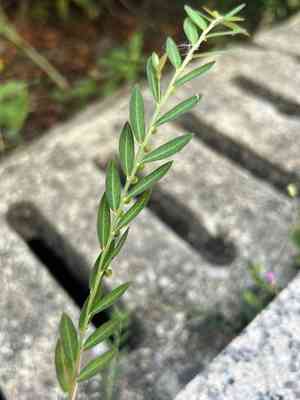
Phyllanthus ussuriensis, recognized for its versatility across various environments, greatly thrives with proper trimming. Conduct the main pruning in early spring to encourage vigorous fresh development. Trimming during summer can aid in shaping the plant and controlling its dimensions, whereas minor pruning in autumn readies it for the colder months and eliminates any lifeless or compromised branches. Refrain from extensive autumn pruning, as this might cause frost harm to emerging shoots. Consistent trimming improves the plant's well-being and visual appeal, fostering thick and energetic growth.
What Are the Benefits of Pruning Phyllanthus Ussuriensis?
What Are the Benefits of Pruning Phyllanthus Ussuriensis?
Trimming phyllanthus ussuriensis encourages robust development and helps maintain its form. Regular cutting eliminates crowded branches, improving air flow and lowering disease risk, while shaping preserves visual appeal and manages size for confined gardens.
What Is the Best Time for Pruning Phyllanthus Ussuriensis?
What Is the Best Time for Pruning Phyllanthus Ussuriensis?
Pruning phyllanthus ussuriensis in Spring is optimal as it prepares the plant for strong growth during the active season, removing old or unproductive parts and stimulating new growth and vitality. Summer trimming can be advantageous for shaping the plant and controlling its dimensions, as well as removing any parts damaged by seasonal conditions. Autumn pruning should be restricted to light trimming to preserve the plantâs structure and eliminate any parts susceptible to winter damage, while avoiding significant cutting back that might trigger new growth vulnerable to cold injury.
What Tools Do I Need to Prune Phyllanthus Ussuriensis?
Hand Pruners
Perfect for making precise cuts on phyllanthus ussuriensis's smaller, delicate branches. They deliver clean and accurate cuts, which are vital for the healthy growth and upkeep of phyllanthus ussuriensis.
Pruning Saws
Useful for tackling thicker branches that hand pruners cannot handle. This tool ensures that larger cuts are made smoothly and cleanly, reducing stress on phyllanthus ussuriensis and promoting faster recovery.
Lopping Shears
Ideal for reaching into denser areas of phyllanthus ussuriensis to trim thicker branches. Their long handles provide leverage to easily cut through tough wood without harming the plant.
How to Prune Phyllanthus Ussuriensis
Identify
Locate withered or dead leaves on phyllanthus ussuriensis. These are typically discolored, dry, or visibly damaged.
Prepare
Gather the necessary pruning tools, such as sharp pruning scissors or shears. Ensure they are clean and disinfected to prevent the spread of disease.
Cut
Carefully trim off the withered leaves at the base where they meet the stem or branch. Make clean cuts to avoid damaging the healthy parts of phyllanthus ussuriensis.
Dispose
Dispose of the removed leaves properly to avoid any potential disease spread. Do not compost diseased material.
Inspect
After pruning, inspect phyllanthus ussuriensis for any signs of pests or diseases that could have caused the leaf withering. Treat if necessary to maintain plant health.
Common Pruning Mistakes with Phyllanthus Ussuriensis
Over-pruning
Removing too much foliage from phyllanthus ussuriensis can hinder its ability to photosynthesize effectively, weakening the overall health and vigor of the plant.
Improper Cut Placement
Cuts made too far from a bud or node can result in dead stubs that invite disease and decay. Conversely, cuts too close can damage the buds, impacting future growth.
Pruning During Active Growth
Cutting back phyllanthus ussuriensis while it is actively growing can stress the plant, potentially leading to reduced flowering and susceptibility to diseases.
Using Dull Tools
Utilizing unsharpened or dirty pruning tools can cause ragged cuts that are more prone to infection and do not heal cleanly, affecting the plant's health and aesthetics.
Common Pruning Tips for Phyllanthus Ussuriensis
Clean Cuts
Ensure that all pruning cuts on phyllanthus ussuriensis are made with clean, sharp tools to minimize damage and promote quicker healing. Disinfect tools between cuts to prevent the spread of disease.
Selective Pruning
Focus on removing only dead, diseased, or overcrossing branches to enhance air circulation and light penetration, crucial for the health and flowering of phyllanthus ussuriensis.
Encouraging Bushiness
Lightly prune the tips of phyllanthus ussuriensis to encourage branching, which leads to a fuller shape and more blooms on this kind of plant.
Retain Structure
While pruning phyllanthus ussuriensis, maintain an even and balanced plant structure, which supports healthy growth patterns and stable, aesthetic form.



