How to Propagate Phyllanthus ussuriensis?
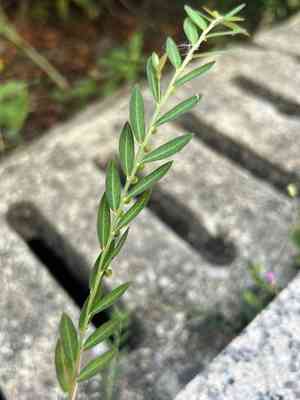
Phyllanthus ussuriensis can be successfully multiplied through seed dispersal. To achieve effective propagation, it is crucial to utilize newly harvested seeds, as their ability to germinate diminishes rapidly. Create a growing medium that drains efficiently and sustain uniform dampness without oversaturation to foster sprouting. This technique is ideal for cultivators aiming to enlarge their assortment or revitalize their outdoor areas with this distinctive plant.
Optimal Period for Propagating Phyllanthus Ussuriensis?
Propagation Method
Seeding
Propagation Period
Spring
Tools Utilized in Phyllanthus Ussuriensis Propagation?
Seed Trays
Seed trays are vital for the initial phase of sowing phyllanthus ussuriensis seeds. They offer an organized, effective method to manage numerous seedlings within a confined area. These trays ensure each seed has adequate soil for initial development and facilitate uniform water and nutrient delivery.
Quality Potting Mix
A premium potting mix that drains well yet retains moisture is essential for the germination of phyllanthus ussuriensis seeds. It supports robust root development and supplies necessary nutrients during early growth. The mix should ideally be light and not prone to waterlogging to prevent seed decay.
Misting Bottle
A misting bottle allows for gentle watering, which is important to avoid dislodging the light phyllanthus ussuriensis seeds. It helps maintain optimal humidity crucial for germination, without oversaturation that can lead to fungal diseases.
Heat Mat
A heat mat assists in maintaining a consistent soil temperature, which is key for the germination of many plants, including phyllanthus ussuriensis. It ensures the temperature remains stable, especially during colder months, providing a favorable environment for seed sprouting.
Grow Lights
If natural light conditions are insufficient, grow lights provide the necessary light spectrum for the healthy growth and development of phyllanthus ussuriensis's seedlings. They ensure young plants receive enough light for effective photosynthesis, crucial for strong development.
How to Propagate Phyllanthus Ussuriensis?
Propagation Type
Simple
How to Care for Your Newly Propagated Phyllanthus Ussuriensis?
How to Care for Your Newly Propagated Phyllanthus Ussuriensis?
Post-propagation, gradually introduce young phyllanthus ussuriensis plants to their permanent spot. Maintain consistent moisture and provide partial sun to shaded exposure. Lightly fertilize with a balanced, diluted solution to support growth without overwhelming the young plants. Regularly check for pests and diseases, applying organic treatments if needed.
Common Errors to Avoid When Propagating Phyllanthus Ussuriensis
Overwatering
Excessive watering can cause root rot in phyllanthus ussuriensis, where roots become waterlogged, hindering oxygen intake and potentially leading to fungal infections. This impedes the establishment of new plants from cuttings or seeds.
Using non-sterile tools
Non-sterile tools can introduce pathogens to phyllanthus ussuriensis during cutting propagation, leading to infections that could weaken or kill young shoots.
Tips For Propagating Phyllanthus Ussuriensis
Control moisture levels
Maintaining appropriate moisture levels is crucial. While phyllanthus ussuriensis requires hydration, excessive water can be detrimental. Ensure the propagation medium is damp, not soaked, to support healthy root growth without causing rot.
Use sterile propagation materials
Ensuring all tools and surfaces are clean and sterile minimizes the risk of infections. Use only sterile pruning shears or knives and fresh, sterile growing medium to increase the success rate of propagation.



