How to Transplant Gale of the wind?
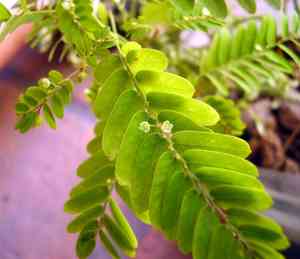
Relocate gale of the wind during the spring awakening, as moderate temperatures aid root development. Choose sites with good drainage that receive both sunlight and partial shade. If needed, amend the soil to enhance its vitality.
What Preparations are Needed Before Transplanting Gale Of The Wind?
What is the Ideal Time for Transplanting Gale Of The Wind?
The optimal period for moving gale of the wind is in the gentle warmth of late spring. This timing ensures the cold weather has passed, allowing gale of the wind to establish roots in favorable soil. Transplanting during this season maximizes gale of the wind's growth potential, utilizing the long summer days ahead for development and strength. Seize this opportunity to give gale of the wind the best start in its new location!
How Much Space Should You Leave Between Gale Of The Wind Plants?
Before arranging your gale of the wind seedlings, it's best to provide them ample room to thrive. Aim to position them approximately 6-12 inches (15-30 cm) apart. This grants each plant sufficient space for development and access to nutrients.
What is the Best Soil Mix for Gale Of The Wind Transplanting?
Your gale of the wind will flourish in soil that drains well. Improve your garden bed with organic compost as a foundational fertilizer to nourish the young plants. Ensure the soil feels loose and fertile to the touch.
Where Should You Relocate Your Gale Of The Wind?
Select a sunny spot for your gale of the wind, as it enjoys basking in bright, indirect light. Avoid areas that receive harsh midday sun, which could stress your delicate plants.
What Equipments Should You Prepare Before Transplantation Gale Of The Wind?
Gardening Gloves
To safeguard your hands while handling soil and plants.
Shovel or Garden Spade
For excavating the plant and preparing its new location.
Hand Trowel
To refine the planting hole and assist in managing smaller plants or fragile roots.
Watering Can or Hose
For hydrating the plant before and after its relocation.
Pruning Shears
For trimming any damaged roots or foliage if necessary.
Wheelbarrow or Garden Cart
To effortlessly move the plant and soil.
Measuring Tape
To help correctly space the plants according to their mature size.
Plant Supports or Stakes (if needed)
To stabilize the plant following transplantation.
How Do You Remove Gale Of The Wind from the Soil?
How Do You Remove Gale Of The Wind from the Soil?
From Ground: First, water the gale of the wind plant to moisten the soil. Then, dig a wide trench around the plant using a shovel or spade, ensuring the plant's root ball remains undisturbed. Carefully work the spade beneath the root ball to lift the plant from its original spot.From Pot: Begin by watering the gale of the wind to ensure the soil is damp, which will facilitate easier plant removal. Turn the pot on its side, gently tap the exterior to loosen the soil, and carefully slide the plant out. Support the plant's base as you gently free it.From Seedling Tray: Water the seedlings to make the soil moist. Using a hand trowel or your fingers, gently remove individual gale of the wind plants by lifting them from the base of their stems, taking care not to harm the roots or stem.
Step-by-Step Guide for Transplanting Gale Of The Wind
Prepare the New Site
Dig a hole in the chosen area that is twice as wide and equally deep as the gale of the wind plant's root ball.
Inspect the Root Ball
Before placing the gale of the wind plant in the new hole, examine the root ball. If roots are circling, gently separate them to encourage outward growth.
Position the gale of the wind Plant
Place the gale of the wind plant in the center of the hole. The top of the root ball should be level with the surrounding soil surface.
Backfill the Hole
Carefully fill in the hole with soil, gently patting it down to eliminate air pockets. Do not bury the plant deeper than it was previously growing.
Water Thoroughly
Water the gale of the wind plant generously immediately after transplanting to settle the soil and hydrate the roots.
Add Mulch (Optional)
Apply a layer of mulch around the plant, leaving some space around the stem, to help retain moisture and reduce weed competition.
How Do You Care For Gale Of The Wind After Transplanting?
Initial Watering
Water your gale of the wind thoroughly after planting and maintain consistent moisture until the plant is established. Avoid excessive watering which can lead to root rot.
Checking for Stability
Ensure your gale of the wind is stable in its new location. Add plant supports or stakes if the plant appears to be leaning or unstable.
Observe for Stress
Monitor your gale of the wind for indications of transplant shock, which may include wilting leaves or discolored foliage. Continue care with appropriate watering.
Limited Fertilization
Avoid fertilizing your gale of the wind immediately after transplanting to prevent root burn. Wait a few weeks before applying any fertilizer.
Troubleshooting Common Issues with Gale Of The Wind Transplantation.
When's the best time to transplant gale of the wind?
Optimal transplant timing for gale of the wind is during late spring, when the frost has passed and soil is warm.
How far apart should I space gale of the wind when transplanting?
Space gale of the wind ideally 6-12 inches (15-30 cm) apart. This allows sufficient room for growth and nutrient absorption.
What should I do if gale of the wind wilts after transplanting?
Ensure gale of the wind is well-watered without being soggy. Check if roots are intact and not crowded.
Why are the leaves of gale of the wind turning yellow post-transplant?
Yellowing could indicate overwatering or poor drainage. Allow soil to dry between waterings and improve soil structure.
How deep should the hole be for transplanting gale of the wind?
The hole should be as deep as the root ball and twice as wide to encourage root growth.
How much sunlight does gale of the wind need after transplanting?
Gale of the wind thrives in full sunlight to partial shade. Ensure the plant receives at least 4-6 hours of sunlight daily.
Can gale of the wind be transplanted on a rainy day?
Transplanting gale of the wind on a mildly rainy day is beneficial as it minimizes transplant shock and provides natural watering.
What type of soil is best for transplanting gale of the wind?
Utilize well-draining soil rich in organic matter to keep gale of the wind healthy and promote root development.
Should I fertilize gale of the wind immediately after transplanting?
Wait 2-4 weeks before fertilizing to allow gale of the wind to establish itself. Then use a balanced, all-purpose fertilizer.
How do I protect gale of the wind from pests during transplantation?
Regularly inspect leaves for pests. Using a mild insecticidal soap can deter infections during the vulnerable transplant phase.



