How to Prune Gale of the wind?
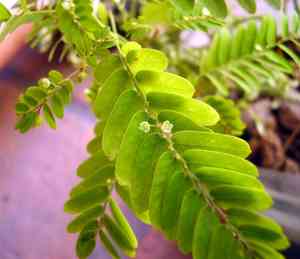
This herbal specimen, recognized for its potential therapeutic attributes, flourishes across diverse environmental conditions. Trimming ought to concentrate on excising lifeless or ailing stalks to foster robust development and simplify collection. The most favorable times for pruning extend from spring to autumn, aligning with periods of vigorous expansion. Consistent, gentle snipping encourages a denser form, while deliberate incisions improve air movement. Pruning additionally assists in regulating the plant's dimensions and contour, alongside averting excessive proliferation within its designated area.
What Are the Benefits of Pruning Gale Of The Wind?
What Are the Benefits of Pruning Gale Of The Wind?
Trimming gale of the wind promotes strong development and maintains its desired form. This ensures peak health and visual appeal, while potentially boosting medicinal qualities by encouraging new growth.
What Is the Best Time for Pruning Gale Of The Wind?
What Is the Best Time for Pruning Gale Of The Wind?
Pruning in Spring encourages robust growth as gale of the wind's life cycle restarts with warmer temperatures, allowing the plant to recover quickly. Early Summer is suitable for light trimming to maintain shape, especially after gale of the wind has bloomed, as it tends not to flower in intense heat. Late Fall pruning is ideal for removing spent flowers and seed pods, preparing gale of the wind for dormancy, and preventing potential fungal issues that may arise from decaying plant matter in damp winter months.
What Tools Do I Need to Prune Gale Of The Wind?
Bypass Pruners
These are suitable for making clean cuts on the green, living branches of gale of the wind. Bypass pruners operate like scissors, with two curved blades that slide past each other, minimizing the risk of stem crushing.
Garden Scissors
Gale of the wind has softer stems, and garden scissors can offer precise trimming to help shape the plant or remove dead material without harming nearby growth.
Hand Pruners
For routine upkeep of gale of the wind, hand pruners provide the consistency and strength needed to cut through its stems. The size of the pruners works well with the relatively small diameter of gale of the wind's branches.
Pruning Snip
Gale of the wind may require delicate tip pruning to encourage bushy growth. Pruning snips are perfect for reaching into the plant without damage and for snipping off unwanted tips with precision.
How to Prune Gale Of The Wind
Sterilize
Clean and sanitize pruning tools before beginning to prevent the spread of disease to gale of the wind.
Identify
Examine gale of the wind closely to pinpoint the withered leaves that require trimming.
Cut
Using sharp scissors or pruners, make clean cuts to remove the withered leaves at their base where they meet the stem, without harming nearby healthy tissues.
Dispose
Properly discard the removed withered leaves to prevent any potential disease spread in the garden area.
Monitor
After pruning, observe gale of the wind for any signs of stress and ensure appropriate care to promote healthy growth.
Common Pruning Mistakes with Gale Of The Wind
Over Pruning
Cutting too much of gale of the wind during a pruning session can stress the plant, potentially leading to weakened growth or increased susceptibility to disease.
Incorrect Cut Placement
Making cuts too far from a bud or node, or too close, can either hinder new growth or damage existing nodes, affecting gale of the wind's recovery and future development.
Tearing Stems
Using dull tools can cause jagged cuts that tear the stems of gale of the wind, increasing the risk for disease and pest infestation.
Pruning Healthy Growth
Removing too much healthy growth instead of just targeting dead or diseased parts may reduce gale of the wind's vitality and reproductive capabilities.
Ignoring Plant Shape
Failing to consider the natural shape of gale of the wind can lead to unsightly growth and an unbalanced plant structure.
Inconsistent Pruning
Irregular pruning or skipping scheduled trimmings can lead to a dense canopy of gale of the wind, which reduces airflow and light penetration, making the plant more prone to pests and diseases.
Common Pruning Tips for Gale Of The Wind
Sharp Tools
Use sharp and clean pruning shears to make smooth cuts that gale of the wind can heal from quickly, decreasing the chance of disease entry.
Clean Cuts
When pruning gale of the wind, always make clean cuts at a 45-degree angle just above a leaf node, encouraging proper healing and new growth.
Selective Pruning
Focus on removing only the dead, damaged, or diseased portions of gale of the wind, which promotes healthier, more vigorous growth.
Thin Out
Thin out dense areas to improve airflow and light penetration, which helps gale of the wind resist pests and diseases.
Shape Maintenance
Prune gale of the wind to maintain its natural shape, enhancing its aesthetic appeal while encouraging balanced growth.
Gradual Pruning
If heavy pruning is needed, do it gradually over several seasons to prevent stressing gale of the wind. Limit the removal to a small percentage of the total foliage in a single session.



