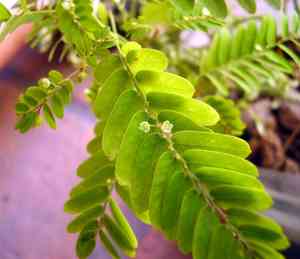
Gale of the wind (Phyllanthus niruri)
Also known as: Niruri, Seed-under-leaf, Stone breaker
The name "Gale of the wind" is inspired by its seeds, which are dispersed by the wind in a manner similar to dandelion puffs.
In This Article
Attributes of Gale of the wind
Lifespan
Annual
Plant Type
Herb
Plant Height
70 cm
Spread
60 cm
Leaf Color
Green
Flower Size
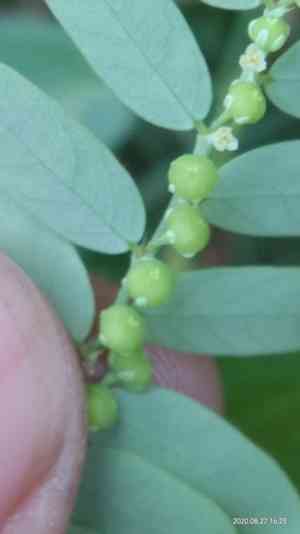
Approximately 1-2 mm
Flower Color
White
Images of Gale of the wind
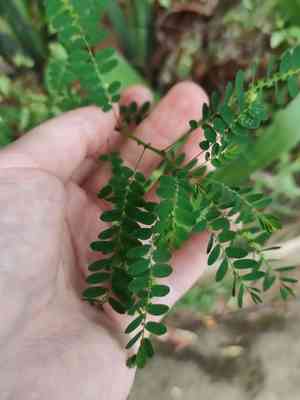
Quickly Identify Gale of the wind
1
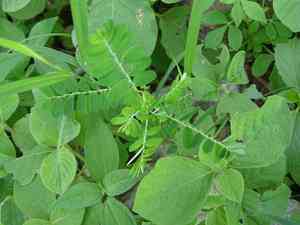
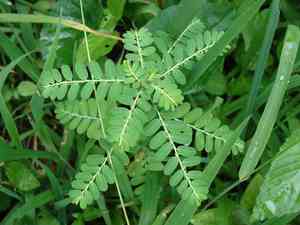
This herb can be identified by its small size, usually growing up to 40-70 cm in height, with distinctly small, elliptical leaves arranged alternately on the stem. The tiny flowers and fruits appear along the leaf axils.
Scientific Classification of Gale of the wind
Phylum
Vascular plants
Class
Dicotyledons
Order
Malpighiales
Family
Leaf-flower
Genus
Leafflowers
Species
Gale of the wind
Planting and Growing of Gale of the wind
Care Difficulty
Easy
Watering Schedule
Every 4 days
Sunlight Requirements
Partial sun
Sunshine Duration
6-8 hours
Ideal Temperature
70-85℉
Soil Type
Potting Mix, Peat Mix
Soil pH
6.5-7.5
Fertilizer Type
Balanced
Pruning Season
Spring, Summer
Pruning Area
Branches, Leaves
Pruning Frequency
2 times a year
Repotting Season
Spring
Pot Type
Plastic, Ceramic
 How to Water Gale of the wind?
For Phyllanthus niruri, you should water enough to ensure the soil is consistently moist but not waterlogged. Typically, around 250 milliliters per watering session is sufficient, allowing the soil to slightly dry out between waterings.
What are the symptoms of an underwatered Gale of the wind?
›
What should I do if my Gale of the wind is not getting enough water?
›
What are the symptoms of an overwatered Gale of the wind?
›
How to save an overwatered Gale of the wind?
›
 What Are the Sunlight Requirements for Gale of the wind?
For optimal growth, Phyllanthus niruri should receive partial sun to partial shade. Ideal lighting enhances its growth rate, leaf color, and overall health, leading to a more vibrant and thriving plant.
More About Sunlight Requirements Techniques→
What is the best lighting for Phyllanthus niruri?
›
How can you ensure adequate light conditions?
›
What benefits arise from ideal lighting?
›
 What Is the Ideal Temperature Range for Gale of the wind?
For optimal growth, Phyllanthus niruri thrives best in temperatures ranging from 70°F to 85°F. These conditions mimic its natural tropical habitat, ensuring that the plant's metabolic processes occur efficiently. Maintaining this temperature range encourages healthy foliage growth and can lead to enhanced medicinal properties.
 What Soil is Best for Gale of the wind?
Phyllanthus niruri requires soil with excellent drainage to prevent root rot. Well-drained soil helps maintain the right moisture balance, enabling it to absorb nutrients effectively. This plant benefits from soil rich in organic matter, which promotes strong growth and effective root development. Rich nutrient content supports its medicinal properties by ensuring healthy leaf production. A light and crumbly texture is ideal, facilitating easy root penetration and promoting robust root systems. Such soil texture helps maximize the plant's resilience against environmental stresses.
 How to Fertilize Gale of the wind?
Phyllanthus niruri, often known as Chanca Piedra, has moderate fertilization needs. Use a balanced fertilizer diluted to half-strength for liquid fertilizers. Usually, applying approximately 500 ml of this diluted solution per pot is sufficient. Be gentle, as excessive fertilization can stress the plant.
 How to Prune Gale of the wind?
Begin by identifying any dead or diseased branches, as these can hinder the plant's growth and spread pathogens. Use pruning shears to carefully cut these branches back to the main stem, ensuring a clean cut close to the trunk without damaging the remaining healthy tissue. Thin out the inner branches by removing crowded or rubbing branches. This encourages better airflow, reduces the potential for fungal infections, and ensures sunlight reaches all parts of the plant. Cut back to just above a leaf node to promote healthy regrowth of foliage. Trim the plant into the desired shape by managing the outward growth of branches. Prune evenly around the plant to foster a balanced form, helping maintain its natural elegance while promoting healthy new growth. Avoid drastic pruning in a single session to prevent stress.
More About Pruning Techniques→
 How to Propagate Gale of the wind plant?
1
Fill the seed tray with potting mix, ensuring an even surface. Water it thoroughly before planting seeds to ensure the mix is settled.
2
Sow the seeds on the surface of the potting mix. Cover lightly with a thin layer of soil. It's crucial not to bury them too deep to ensure proper germination.
3
Place the seed tray in a warm, sunny spot with indirect light. Maintain a temperature of around 25°C (77°F) and keep the soil consistently moist but not waterlogged.
 How to Repot Gale of the wind plant?
1
Repot Phyllanthus niruri when its roots start to outgrow the current pot or when the soil has degraded. It’s best to repot during its active growing season, especially in spring or early summer. Notice any signs of slowed growth or poor soil drainage for potential repotting cues.
2
Select a pot that's slightly larger than the current one with good drainage holes. This ensures the roots have space to grow without the risk of waterlogging. Opt for materials like terracotta or ceramic, which allow moisture to evaporate and prevent root rot.
3
Use a well-draining loamy soil mix tailored for tropical plants. Such soil retains enough moisture without becoming waterlogged, providing a healthy balance of nutrients, air, and moisture for Phyllanthus niruri roots to thrive.
Learn More About Gale of the wind Diseases
Anthracnose
Bacterial Leaf Spot
Bacterial Soft Rot
Bacterial Wilt
Crown Gall
Cyst Nematode
Damping-off
Downy Mildew
Drought Stress
Fusarium Wilt
Gray Mold
Leaf Curl
Leaf Spot
Mosaic
Nutrient Deficiency
Nutrient Toxicity
Powdery Mildew
Root Rot
Root-knot Nematode
Rusts
Sooty Mold
Spider Mites
Temperature Stress
Thrips Damage
White Mold



