How to Propagate Gale of the wind?
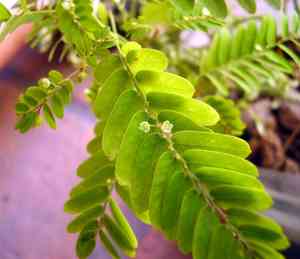
The wind's gusts efficiently disperse this plant's seeds for propagation. For successful sprouting, establish a seedbed using soil that drains well, then gently broadcast the seeds, lightly covering them with earth. Sustained dampness and warmth are essential; therefore, irrigate regularly to prevent saturation and choose a location receiving abundant indirect illumination. Seeds generally emerge within one to two weeks. After the young plants have developed, carefully transfer them to separate containers or a specific garden plot, handling their root systems delicately to prevent disturbance.
Optimal Time for Gale Of The Wind Propagation
Propagation Method
Seeding
Propagation Period
Spring
Tools for Gale Of The Wind Propagation
Seed trays
Seed trays are vital for sowing gale of the wind seeds. They allow for even seed distribution and provide ample space for initial root growth. Their compact design helps maintain consistent soil moisture and temperature, crucial for germination.
Fine-grained soil mix
A fine-grained soil mix is ideal for gale of the wind due to its texture, which promotes better moisture retention and air circulation. This soil type aids easier root growth and penetration, increasing the likelihood of successful seedling establishment.
Misting bottle
A misting bottle is essential for gently watering gale of the wind seeds without dislodging them. The fine spray ensures moist soil, vital for germination, while preventing waterlogging that could cause fungal diseases or seed rot.
Grow lights (optional)
For indoor or controlled propagation of gale of the wind, grow lights can supply the necessary light spectrum for seedling growth. This tool is useful in areas with insufficient natural sunlight, ensuring gale of the wind receives adequate light for photosynthesis and development.
Labels and markers
Using labels and markers to identify seed trays is important for tracking gale of the wind's growth stages and specific care needs. This ensures systematic monitoring and care, improving overall propagation success.
Gale Of The Wind Propagation Guide
Propagation Difficulty
Simple
Caring for Newly Propagated Gale Of The Wind
Caring for Newly Propagated Gale Of The Wind
Post-Propagation Care: Once established, gale of the wind needs moderate watering to keep the soil consistently moist. It thrives in partial shade and requires monthly feeding with a balanced, organic fertilizer. Regular pruning helps maintain its bushy shape and encourages more branching, enhancing medicinal properties by allowing more light to reach the plant's lower parts. Protect gale of the wind from frost and cold drafts, especially in cooler climates.
Common Propagation Errors for Gale Of The Wind
Overwatering
Excessive watering can lead to waterlogged soil, suffocating gale of the wind's roots and potentially causing root rot. This impairs the plant's ability to absorb nutrients and can result in its demise.
Deep planting
Planting gale of the wind seeds or cuttings too deeply can prevent them from getting enough light and air, hindering germination and growth. This impedes the plant's development, making it less likely to flourish.
Neglecting humidity
Failure to maintain high humidity for gale of the wind during propagation can lead to desiccation and poor root development. This can significantly reduce the propagation success rate.
Using poor soil mix
An unsuitable soil mix that drains poorly or lacks nutrients can impede gale of the wind's root growth, resulting in weak plants less likely to survive transplanting.
Gale Of The Wind Propagation Tips
Use fresh seeds
Ensure to use fresh gale of the wind seeds for higher germination rates. Older seeds may have reduced viability and might not sprout as effectively.
Proper soil preparation
Prepare a well-draining, nutrient-rich soil mix specifically for gale of the wind to encourage healthy root development and support its initial growth phase.
Maintain optimal humidity
Keep the environmental humidity high around gale of the wind's propagation site to facilitate better root development. Using a humidity dome or regular misting can be effective.
Appropriate planting depth
Sow gale of the wind seeds or plant cuttings at a shallow depth, ensuring they are just covered by soil. This maximizes their exposure to necessary light and air, promoting healthier growth.



