How to Transplant Khagra?
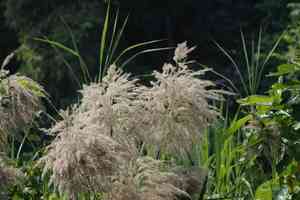
The most favorable time for transplanting khagra is amidst the revitalizing warmth of mid-to-late spring. This timeframe maximizes the likelihood of root integration in bright, moisture-rich settings, furnishing khagra with the necessities for flourishing after relocation.
What Preparations are Needed Before Transplanting Khagra?
What is the Ideal Time for Transplanting Khagra?
The most favorable period for relocating khagra is the core of spring, just as winter's cold diminishes. This timing enables khagra to establish roots in moderate temperatures, ensuring vigorous development. Moving khagra during this window encourages strong growth, as the soil conditions and weather offer an optimal setting for root establishment. This approach utilizes the season's natural moisture and mild climate, fostering a stable and nourishing base for khagra. Embracing this season for your khagra will prepare the ground for a lush, flourishing display throughout the growing period.
How Much Space Should You Leave Between Khagra Plants?
Hello there, gardening enthusiast! Before placing your khagra in its new spot, provide ample room for it to thrive by allowing a generous distance of 2-3 feet (60-90 cm) between each plant.
What is the Best Soil Mix for Khagra Transplanting?
For your khagra, prepare a comfortable bed with rich, well-draining loamy soil. Boost its initial growth by mixing in a balanced, slow-release fertilizer to provide nutrients from the start.
Where Should You Relocate Your Khagra?
Allow your khagra to enjoy the sun's splendor! Select a location where it can absorb full to partial sunlight throughout the day, ensuring it receives at least 6 hours of direct light.
What Equipments Should You Prepare Before Transplantation Khagra?
Gardening Gloves
To safeguard your hands while handling soil and plants.
Shovel or Spade
For excavating the plant and preparing its new location.
Hand Trowel
Useful for more precise tasks and smaller root systems.
Watering Can or Hose
For hydrating the plant both prior to and following transplantation.
Pruning Shears
To trim any damaged roots or foliage.
Wheelbarrow or Garden Cart
To transport the plant and soil.
Burlap or Tarp
To keep the root ball intact during relocation.
How Do You Remove Khagra from the Soil?
How Do You Remove Khagra from the Soil?
From Ground: First, hydrate the khagra plant to moisten the soil. Then, excavate a wide trench around the plant using a shovel or spade, ensuring the plant's root ball remains undisturbed. Carefully work the spade beneath the root ball to lift the plant from its original position.From Pot: Begin by watering the khagra to make the soil damp. Tilt the container to the side and gently tap its edges to loosen the roots from the sides. Gradually ease the plant out by pulling the stem's base or by inverting the pot if its size permits.From Seedling Tray: Water the seedlings to ensure the soil is moist. Use a hand trowel or your fingers to gently lift the khagra from the tray, taking care not to harm the delicate young roots.
Step-by-Step Guide for Transplanting Khagra
Timing
Select the appropriate time for transplanting khagra, ideally during the cooler parts of the day, such as early morning or late afternoon, to prevent shock from heat stress and to conserve moisture within the plant tissues.
Preparation
Water the khagra in its current spot before beginning the removal process. This helps keep the root ball together and lessens transplant shock.
Removal
Employ the suitable removal technique as described above, depending on whether khagra is in the ground, a pot, or a seedling tray. Handle the roots gently to avoid harm.
Hole Preparation
Dig a hole in the new location that is twice as wide as the root ball of khagra and equally deep. This allows the roots to spread out easily.
Placement
Position khagra into the hole, ensuring it's at the same depth as it was previously growing. The top of the root ball should be level with the surrounding ground.
Soil
Backfill the hole with soil, gently placing it around the roots of khagra. Lightly tamp the soil down to eliminate air pockets.
Watering
After planting, water the khagra generously to settle the soil around the roots and provide essential moisture for establishment.
Support
If the khagra is tall or top-heavy, use stakes or supports to prevent it from being damaged by winds or its own weight.
How Do You Care For Khagra After Transplanting?
Mulching
Apply a layer of organic mulch around the base of khagra to help retain soil moisture and regulate soil temperature. Keep the mulch a few inches away from the stem to prevent rot.
Watering
Ensure khagra receives sufficient water, especially in the initial weeks, to develop a robust root system. The soil should remain moist but not waterlogged.
Pruning
Trim any broken or damaged stems or leaves to help khagra focus its energy on establishing new roots rather than repairing damaged parts.
Observation
Regularly check on khagra to monitor its health, looking out for signs of transplant shock like wilting or leaf drop, and take action accordingly.
Troubleshooting Common Issues with Khagra Transplantation.
What's the best time to transplant khagra for successful growth?
Optimal transplanting time is during mid to late spring, when temperatures are mild and favorable for root establishment.
What spacing is recommended to provide khagra ample growth room?
Place khagra 2 to 3 feet apart (60-90 cm), allowing them space to flourish and expand without overcrowding.
How deep should I dig to transplant khagra effectively?
Prepare a hole deep and wide enough to accommodate the root ball, typically about 10 inches (25 cm) deep.
Is it necessary to water khagra immediately after transplanting?
Absolutely! Water generously after transplanting to settle soil around roots and aid in recovery from the move.
Why does my khagra look wilted post-transplant?
Wilting could be due to transplant shock. Keep the soil moist and be patient; it should recover in a week or two.
How can I tell if my khagra has enough light after transplanting?
Ensure khagra is positioned in a spot where it receives full to partial sunlight, crucial for its post-transplant growth.
Can I use fertilizer when transplanting khagra?
It's best to wait until khagra is established before fertilizing. Fertilize lightly if necessary after a few months.
After transplanting, how do I protect khagra from frost?
If unexpected frost is predicted, cover khagra with a frost blanket or mulch to safeguard the delicate new roots.
What type of soil is ideal for transplanting khagra?
Use fertile, well-drained soil. If needed, amend soil with compost to enhance nutrient content and drainage.
Should I prune khagra before or after transplanting?
Prune dead or damaged parts before transplanting to direct the plant's energy towards root development and new growth.



