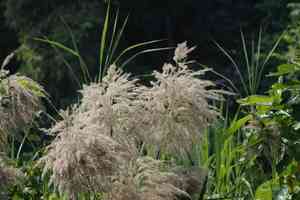
Khagra (Phragmites karka)
Also known as: Narkat, Flute reed
Khagra, also known as Cyperus rotundus or nutgrass, is indigenous to tropical and subtropical regions, particularly in Africa, Southern Europe, South Asia, and the Pacific Islands. This stemless herb thrives at ground level in various habitats, including rainforests. Historically, it has been utilized in traditional medicine. While handling the plant, be cautious of its prickly features and potentially irritating berries.
In This Article
Attributes of Khagra
Lifespan
Perennial
Plant Type
Grass
Plant Height
4 m to 6 m
Spread
n/a
Leaf Color
Green
Flower Size
10 cm to 20 cm
Flower Color
Yellow Brown Orange
Images of Khagra
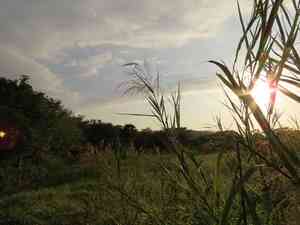
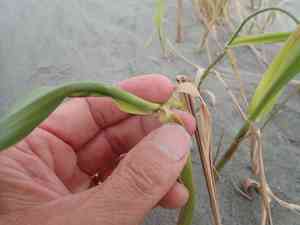
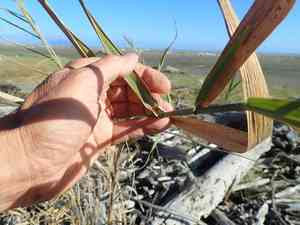
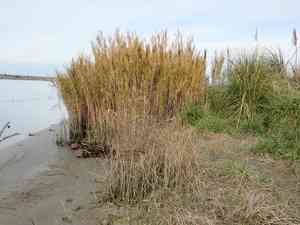
Quickly Identify Khagra
1
Phragmites karka can be identified by its tall, grass-like stems, which can reach up to 4 meters in height. The leaves are long, narrow, and blue-green in color. The flower heads are large, feathery, and pale brown to purple during late summer and autumn.
Scientific Classification of Khagra
Phylum
Vascular plants
Class
Monocotyledons
Order
Grasses, sedges and allies
Family
Grass
Genus
Reeds
Species
Khagra
Planting and Growing of Khagra
Care Difficulty
Easy
Watering Schedule
Every 8 days
Sunlight Requirements
Full sun
Sunshine Duration
4-8 hours
Ideal Temperature
77-86℉
Soil Type
Potting Mix, Peat Mix
Soil pH
6.5-7.5
Fertilizer Type
Balanced
Pruning Season
Spring, Summer
Pruning Area
Branches, Leaves
Pruning Frequency
2 times a year
Repotting Season
Spring
Pot Type
Plastic, Ceramic
 How to Water Khagra?
When watering Phragmites karka, it's essential to ensure the soil remains consistently moist but not waterlogged. Typically, each watering session should provide about 500 ml of water per plant. Water until you notice the topsoil is thoroughly damp, but avoid having excess water standing on the surface, as this can lead to root rot.
What are the symptoms of an underwatered Khagra?
›
What should I do if my Khagra is not getting enough water?
›
What are the symptoms of an overwatered Khagra?
›
How to save an overwatered Khagra?
›
 What Are the Sunlight Requirements for Khagra?
Phragmites karka appreciates full to partial sun, ideally enjoying 6 to 8 hours of sunlight. This light spectrum supports optimal growth, ensuring healthy foliage and stems.
More About Sunlight Requirements Techniques→
How can I achieve ideal lighting for Phragmites karka?
›
What are some practical steps to provide ideal light?
›
What benefits does Phragmites karka gain from ideal light levels?
›
 What Is the Ideal Temperature Range for Khagra?
Phragmites karka thrives best in warm temperatures ranging from 77°F to 86°F. This range supports optimal enzymatic activities and photosynthesis, promoting vigorous growth and reproduction in this species.
 What Soil is Best for Khagra?
Phragmites karka thrives in soils that can retain moisture well. This need is met by loam and clay soils, which help retain water around the roots, ensuring the plant receives adequate hydration, crucial for its growth and health. The plant prefers nutrient-rich soils to support its rapid growth and tall structure. Loam soil, with its balance of sand, silt, and clay, provides rich minerals and organic matter, supporting vitality and lush growth. Although Phragmites karka enjoys moisture, it also requires well-aerated soils to prevent root rot. Sandy soil mixed with other types ensures that air can circulate around the roots, promoting healthy respiration and growth.
 How to Fertilize Khagra?
Phragmites karka benefits from a balanced fertilizer with an N-P-K ratio of 10-10-10. For liquid fertilizers, use about 20 ml per liter of water per application. When applying slow-release granules, spread approximately 50 grams per square meter. Adjust based on soil fertility and plant response.
 How to Prune Khagra?
Begin by identifying dead or damaged stems and remove them by cutting at the base. Trim any flowering stems if you want to restrict propagation through seeds. Be careful to maintain the plant's natural shape, pruning selectively to control height and spreading, which also allows for better air circulation and sunlight penetration. After pruning, ensure the plant is appropriately watered, considering a more restricted water flow to prevent promoting overgrowth. Additionally, adjust the light conditions if necessary to sustain a balance of growth post-pruning.
More About Pruning Techniques→
 How to Propagate Khagra plant?
1
Begin by collecting mature seeds from Phragmites karka. Ensure they are dry before storing them for propagation purposes. Seed stratification may improve germination rates.
2
Choose a mature clump of Phragmites karka. Using garden shears, divide the root ball into smaller sections, each having an adequate root system and shoots for better growth.
3
Prepare a planting tray with suitable potting soil. Moisten the soil slightly and plant seeds or divisions, ensuring they're adequately covered with soil for successful germination.
 How to Repot Khagra plant?
1
Recognize that Phragmites karka needs repotting when roots start emerging from drainage holes or when it becomes root-bound. It's also time for a change when soil seems compacted and drains poorly. Look for these signals to ensure healthy growth.
2
Opt for a pot slightly larger than the current one, with adequate drainage holes. A larger pot encourages root development and supports upright growth, while good drainage prevents waterlogging, which is crucial for the health of Phragmites karka.
3
Select soil that's nutrient-rich and drains well to prevent root rot and allow for the plant's robust growth. A suitable mix might include peat, perlite, and organic compost, offering a balanced medium that retains moisture while ensuring aeration.



