The Khagra Plant Advantage: Maximizing Home and Office Appeal and Wellness
1
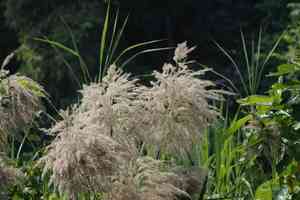
Khagra is vital for sustaining wetland environments.
2
This flora excels at cleansing contaminants and securing soil.
3
Khagra offers natural homes for diverse animal life.
Ecological Advantages of Khagra
How Khagra Contributes to Water Purification
A key attribute of Khagra is its capacity to cleanse water. By taking in pollutants and surplus nutrients, this plant aids in preserving cleaner aquatic environments. Its root system functions as a natural filter, eliminating detrimental substances and preventing their spread into nearby water sources. This process is particularly valuable in wetlands, where water purity is vital for the health of the entire ecosystem.
Role in Soil Stabilization
Khagra is a powerful ally in preventing soil erosion. Its extensive root network binds soil particles together, reducing the risk of erosion caused by water and wind. This makes it an excellent choice for stabilizing riverbanks, coastal areas, and other places prone to soil degradation. By maintaining soil integrity, Khagra supports plant growth, prevents loss of arable land, and protects infrastructure from damage.
Ecological Advantages of Khagra
Habitat Creation for Wildlife
The dense growth of Khagra provides shelter and breeding grounds for a variety of wildlife species. Birds, insects, and small mammals find refuge in its thick foliage, which offers protection from predators and harsh weather conditions. This aspect of Khagra is especially important in urban areas, where natural habitats are often scarce. By fostering biodiversity, this plant contributes to a balanced and resilient ecosystem.
Support for Aquatic Life
In addition to terrestrial wildlife, Khagra supports aquatic organisms by improving water quality and offering shaded areas. Fish and amphibians benefit from the oxygenated water and lower temperatures that Khagra helps to maintain. The presence of this plant can also reduce the occurrence of harmful algal blooms by absorbing excess nutrients, creating a more hospitable environment for aquatic life.
Practical Uses of Khagra
Sustainable Building Materials
The stalks of Khagra are robust and versatile, making them an excellent resource for sustainable building materials. They can be used in construction for thatching roofs, making fences, or even crafting furniture. This not only reduces the reliance on timber and other non-renewable resources but also promotes eco-friendly construction practices.
Alternative Energy Source
Khagra can also be utilized as a renewable energy source. Biomass derived from this plant can be converted into biofuels or used directly as a combustion fuel. Utilizing Khagra for energy can help reduce greenhouse gas emissions and reliance on fossil fuels, making it a valuable asset in the pursuit of sustainable energy solutions.
How to Cultivate and Manage Khagra
Ideal Growing Conditions
Khagra thrives in wet, marshy areas with ample sunlight. It prefers nutrient-rich soils but can adapt to a variety of soil types, including those with high salinity. Proper water management is essential for its growth, as overly dry conditions can hinder its development.
Management and Control Measures
While the benefits of Khagra are numerous, it's essential to manage its growth to prevent it from becoming invasive. Regular monitoring and controlled planting can help maintain its positive impact on the environment without allowing it to overshadow other native species. Techniques like periodic cutting and integrated weed management can be effective in keeping Khagra in check.



