How to Prune Khagra?
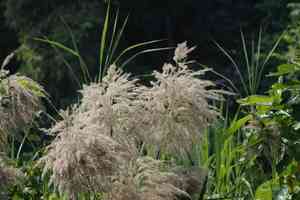
This towering, vigorous perennial grass thrives with trimming to regulate its dimensions and proliferation. For khagra, perform pruning in the early spring or during winter prior to the emergence of new shoots. Sever any deceased matter down to the soil level and thin out congested clusters to enhance air movement. Trimming curbs expansion and fosters plant well-being by diminishing susceptibility to ailments.
What Are the Benefits of Pruning Khagra?
What Are the Benefits of Pruning Khagra?
Trimming khagra encourages vigorous development, ensuring a strong structure. Regular cutting helps maintain an ideal form, crucial for the plant's appearance and vitality.
What Is the Best Time for Pruning Khagra?
What Is the Best Time for Pruning Khagra?
Pruning or trimming khagra is best done in early spring or late winter to ensure the plant's growth is not negatively impacted. These periods are when khagra is typically inactive, meaning its metabolic activity is low, and it's not actively growing. This dormant phase is perfect for pruning as it minimizes stress on khagra and prevents the loss of sap that would otherwise fuel new growth. Additionally, it allows for easier identification and removal of any dead or diseased material before khagra begins its active growth cycle. Trimming in early spring also lowers the risk of frost damage to fresh cuts and prepares khagra for robust growth in the coming season. By removing old and excess growth, sunlight and air can better penetrate the plant, fostering healthier development. Avoid pruning during flowering or fruiting times, as this can decrease the plant's reproductive success and vigor.
What Tools Do I Need to Prune Khagra?
Sharp Bypass Pruners
Perfect for making clean cuts on khagra's thinner stems, which aids in healthy regrowth.
Heavy-Duty Loppers
Most suitable for cutting through thicker stems and older canes of khagra; their long handles offer leverage for tougher cuts.
Power Hedge Trimmer
Efficient for shaping and trimming khagra's dense foliage when managing larger areas or hedges.
Hand Saw
Essential for removing the thickest parts of khagra's stems or culms, especially when loppers are insufficient.
Pruning Saw
Useful for selective thinning of khagra's clumps, providing more control over the cut than a hand saw.
Scythes or Brush Cutters
Effective for cutting down large sections of khagra, particularly when managing natural reed beds or invasive growth.
How to Prune Khagra
Clean and Sharpen Tools
Before beginning, ensure all cutting implements are clean and sharp to make precise cuts and prevent disease spread.
Identify Affected Parts
Examine khagra and locate the specific parts mentioned: diseased and withered leaves. Focus your trimming on these areas to avoid unnecessary plant stress.
Pruning Diseased Leaves
Carefully remove diseased leaves by cutting at the base where the leaf stem meets the main stalk or branch. Avoid tearing to prevent damage.
Pruning Withered Leaves
Remove withered leaves, which are typically older and lower on the plant. Cut these back to the base or to the nearest healthy part, following khagra's natural shape.
Dispose of Waste
After pruning, discard all removed diseased and withered leaves properly to prevent disease spread to other plants or re-infection of khagra.
Common Pruning Mistakes with Khagra
Over-pruning
Removing too much foliage from khagra can shock the plant, hindering its growth and potentially leading to its demise.
Improper cut placement
Making cuts too close to the main stalk or too far from the nodes can result in poor regrowth and damage to khagra.
Using dull tools
Pruning khagra with blunt tools can cause jagged cuts that are more vulnerable to disease and pests.
Neglecting sanitation
Using unsterilized tools can introduce diseases to khagra, which could be detrimental to its health.
Ignoring plant structure
Not considering khagra's natural growth habit and structure can lead to an unbalanced shape and reduced vigor.
Common Pruning Tips for Khagra
Sharp clean tools
Utilize sharp, clean pruning tools for precise cuts that heal faster and reduce khagra's risk of disease.
Strategic cut placement
Cut above a node or a bud that points in the desired growth direction for khagra to maintain its shape and encourage healthy new shoots.
Moderation in pruning
Prune sparingly, removing only the necessary amount of growth to achieve khagra's desired shape and size, preserving its natural form.
Remove dead material
Regularly remove dead or dying foliage from khagra to promote good air circulation and lessen the risk of disease.
Encourage new growth
Lightly prune khagra's tips to encourage bushier growth and increase the number of flowering stems.



