How to Transplant Juniper mistletoe?
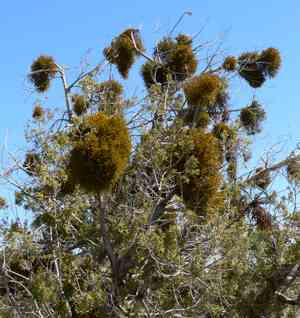
For juniper mistletoe, the ideal period for relocation is amidst the lush vitality of mid to late spring. Confirm the new location replicates its natural environment for seamless adjustment, providing abundant light and soil that drains effectively. Exercise caution to preserve the root system's soundness.
What Preparations are Needed Before Transplanting Juniper Mistletoe?
What is the Ideal Time for Transplanting Juniper Mistletoe?
The perfect time for moving juniper mistletoe is in the middle of spring, a period when mild weather supports strong root development without the strain of extreme temperatures. Relocating juniper mistletoe at this time allows the plant to adapt easily to its new spot, using the moderate climate for optimal growth. A spring transplant ensures juniper mistletoe benefits from the entire upcoming growing season, with soil that has warmed sufficiently and many sunny days for steady progress. This strategic timing sets the stage for juniper mistletoe's successful future, building a solid foundation for vigorous health and beauty.
How Much Space Should You Leave Between Juniper Mistletoe Plants?
When getting ready to introduce juniper mistletoe to your garden, consider the space not just for now, but for its future growth! A comfortable distance of 10-15 feet (3-4.5 meters) between each will provide them with the room they need to flourish and spread out.
What is the Best Soil Mix for Juniper Mistletoe Transplanting?
For juniper mistletoe, aim to create a comfortable bed with well-draining soilâsuch as a sandy loam or gravelly type. Before planting them, enrich their new home with a gentle application of a balanced, slow-release fertilizer to give them a healthy start.
Where Should You Relocate Your Juniper Mistletoe?
Selecting a sunny location for juniper mistletoe will help them establish roots happily. Full sunlight to partial shade will ensure they receive adequate light. Look for a spot that gets sunshine for at least part of the day, and your juniper mistletoe will reward you with robust growth.
What Equipments Should You Prepare Before Transplantation Juniper Mistletoe?
Shovel or Spade
For digging and moving earth around the new planting site.
Pruning Shears
To trim any damaged or diseased roots or branches prior to transplanting.
Watering Can or a Hose
To hydrate the juniper mistletoe before and after relocation to lessen transplant shock.
Wheelbarrow
To transport the juniper mistletoe and soil to and from the new planting location.
Gardening Gloves
To protect your hands while working with the soil and plant material.
Tarp or Burlap
To safeguard and move the root ball when relocating the juniper mistletoe.
How Do You Remove Juniper Mistletoe from the Soil?
How Do You Remove Juniper Mistletoe from the Soil?
From Ground: Start by thoroughly watering the juniper mistletoe plant to facilitate its removal. Next, dig a wide trench around the juniper mistletoe, being careful not to harm the root system. Gradually work your shovel or spade beneath the root ball and gently lift the juniper mistletoe from its original spot.From Pot: Water the juniper mistletoe well, then turn the pot on its side and gently tap the edges and bottom to loosen the root ball. Use your hands to carefully slide the plant out of the pot, ensuring you support the plant's base and roots.From Seedling Tray: Water the seedlings to keep their roots moist. Use a small tool, like a dibber or a fork, to carefully loosen the soil around each juniper mistletoe seedling. Gently lift the seedling while supporting the root ball to prevent damage to the delicate roots.
Step-by-Step Guide for Transplanting Juniper Mistletoe
Digging the Hole
Excavate a hole in the ground that is twice the width and the same depth as the juniper mistletoe's root ball.
Preparing the Plant
Remove any loose or damaged roots or leaves with pruning shears. Wrap the root ball in a tarp or burlap for protection during transport.
Placing the Plant
Carefully position the juniper mistletoe in the center of the hole. Ensure it stands upright and at the same depth it was growing before.
Refilling the Hole
Gently backfill the hole with soil, firming it down around the root ball to remove air pockets. Avoid over-compacting; the soil should be firm but not dense.
Watering
Water the juniper mistletoe thoroughly immediately after transplanting to settle the soil and help reduce transplant shock.
How Do You Care For Juniper Mistletoe After Transplanting?
Monitoring
Inspect the juniper mistletoe daily for the initial few weeks, observing its health and ensuring the root area remains adequately moist.
Mulching
Apply a layer of mulch around the base of the juniper mistletoe to help retain soil moisture, regulate temperature, and suppress weed growth.
Pruning
Trim away any dead or damaged branches to help the juniper mistletoe direct its energy towards establishing new roots.
Protection
Provide shelter from harsh weather conditions or wildlife if necessary. Use plant supports or shields as required.
Troubleshooting Common Issues with Juniper Mistletoe Transplantation.
How do I know when it's the best time to transplant juniper mistletoe?
Aim for the ideal period in mid to late spring, when the frost has passed but before summer's intense heat begins.
What spacing should I give juniper mistletoe when transplanting?
Allow each juniper mistletoe ample room to flourish by spacing them 10-15 feet (3-4.5 meters) apart.
Why are my juniper mistletoes' leaves turning yellow after transplanting?
Yellowing leaves can indicate stress, often from insufficient watering or root disturbance during relocation. Ensure a gentle transplant process and adequate moisture.
Can I transplant juniper mistletoe on a hot, sunny day?
It's best to wait for a cooler, overcast day to minimize transplant shock and help the juniper mistletoe settle in without excessive stress.
How deep should I plant juniper mistletoe when transplanting?
The new hole should be as deep as the root ball but twice as wide, ensuring the roots have plenty of space to expand.
Is it necessary to prune juniper mistletoe before transplanting?
Light pruning can help reduce transplant shock. Trim back a third of the plant's foliage to help it focus on establishing roots.
Should I amend the soil when transplanting juniper mistletoe?
Yes. Mix in compost or a balanced slow-release fertilizer to give juniper mistletoe a nutrient boost and improve soil structure.
How often should I water juniper mistletoe after transplanting?
Keep the soil consistently moist but not waterlogged. Water deeply once a week, adjusting as needed for rainfall and temperature changes.
What if juniper mistletoe shows no new growth weeks after transplanting?
Be patient. Juniper mistletoes may pause as they adjust underground before visible signs of growth. Maintain care and monitor for progress.
How can I protect newly transplanted juniper mistletoe from pests?
Keep a close watch on your juniper mistletoe for early signs of pests. A balanced ecosystem and perhaps a gentle, eco-friendly pesticide can be helpful.



