Enhancing Your Garden Design with the Juniper mistletoe Plant: A Landscaping Guide
1
Juniper mistletoe provides distinct visual appeal and environmental advantages when incorporated into your landscape.
2
Selecting the appropriate site and planning approaches is crucial for blending Juniper mistletoe with current flora.
3
Tackling typical difficulties can aid in responsibly controlling Juniper mistletoe's development and dissemination.
Understanding Juniper Mistletoe's Role in Landscaping
Natural habitat overview of Juniper mistletoe
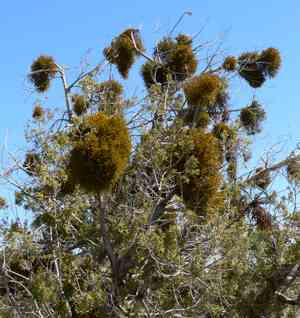
In its native environment, Juniper mistletoe flourishes by attaching to various host trees, primarily junipers. This relationship highlights the fascinating interdependence of species within ecosystems, as Juniper mistletoe extracts nutrients from its host while offering shelter and sustenance for local wildlife. Its presence in the wild demonstrates nature's intricate connections and can inspire gardeners to incorporate similar natural interactions into their outdoor spaces.
Aesthetic advantages of incorporating Juniper mistletoe into outdoor areas
Juniper mistletoe can significantly boost your garden's visual appeal. Its distinct structure and evergreen foliage provide year-round greenery that beautifully contrasts with other plants. When strategically placed, Juniper mistletoe can become a focal point in your landscape design, adding both texture and height to your garden scenery. Furthermore, during colder months, Juniper mistletoe often bears small, white berries that offer an attractive splash of color.
Ecological impact of Juniper mistletoe on local gardens and wildlife
Integrating Juniper mistletoe into your garden not only enhances its beauty but also benefits local ecosystems. This plant serves as a vital food source and habitat for native birds and insects. By planting Juniper mistletoe, you're fostering biodiversity and supporting the well-being of various species, thereby contributing to the ecological health of your region. Additionally, its presence can encourage pollinators, which are beneficial to your garden's overall vitality.
Integrating Juniper Mistletoe into Your Garden
Choosing the ideal spot for Juniper mistletoe in your garden
Selecting the perfect location for Juniper mistletoe in your garden is crucial for its growth and integration. Ideally, it should be placed where it has access to a host tree but is also visible enough to be appreciated. Ensure it's planted where it can receive adequate sunlight without excessive competition for resources. Consider your garden's layout and visual lines to position Juniper mistletoe where it naturally draws the eye and complements existing elements.
Design approaches for blending Juniper mistletoe with existing plants
To successfully incorporate Juniper mistletoe into your garden, utilize design strategies that harmonize it with your current plant selection. Pair Juniper mistletoe with other trees or shrubs that share similar growth requirements to minimize upkeep. Use complementary foliage colors and textures to create visual harmony. For instance, combining Juniper mistletoe with plants that have variegated leaves or different blooming cycles can bring a dynamic and layered look to your garden throughout the year.
Seasonal considerations for maintaining Juniper mistletoe's visual appeal
Maintaining Juniper mistletoe's attractiveness across seasons requires some strategic planning. In spring and summer, ensure it receives sufficient water and nutrients to thrive alongside its host. During autumn, clear any fallen leaves around it to keep the area tidy and prevent disease. In winter, highlight Juniper mistletoe's berries and foliage with strategic lighting, ensuring it remains a bright spot in an otherwise dormant garden.
Challenges and Solutions for Using Juniper Mistletoe in Landscaping
Addressing common issues related to cultivating and maintaining Juniper mistletoe
Like any plant, Juniper mistletoe presents its own set of challenges. These can include managing its growth on host plants, preventing overgrowth, and dealing with pests or diseases. Regularly inspect Juniper mistletoe for signs of stress or infestation, and take appropriate action if symptoms appear. Pruning Juniper mistletoe is beneficial to maintain its shape and ensure it doesn't overwhelm its host.
Effective methods for overcoming these difficulties
Mitigating challenges with Juniper mistletoe demands proactive strategies. Consistent pruning can control its growth, while ensuring the host tree remains healthy and vigorous is essential. Organic pest control methods, such as neem oil or introducing beneficial insects, can help manage any infestations. Implementing well-timed fertilization and watering schedules will keep both Juniper mistletoe and its host healthy.
How to sustainably manage Juniper mistletoe's growth and spread
Sustainable management of Juniper mistletoe involves understanding and respecting its natural habits. Avoid excessive watering or fertilizing, which can encourage uncontrolled growth. Instead, focus on creating a balanced environment where Juniper mistletoe can thrive without dominating other plants. Regularly check for and remove any seedlings that could potentially spread out of control. Sustainable practices ensure Juniper mistletoe remains an asset to your garden, not a burden.
Celebrating Juniper Mistletoe: Creative Uses in Landscape Design
Innovative concepts for integrating Juniper mistletoe into unique landscaping projects
Creativity in landscaping with Juniper mistletoe can yield stunning outcomes. Consider vertical gardens, trellises, and mixed shrub borders. Utilizing Juniper mistletoe in unconventional ways, such as hanging planters or as a natural canopy over seating areas, introduces an element of surprise and delight. Such innovative applications not only enhance visual appeal but also offer practical solutions for small spaces or unique garden layouts.
Case studies: Successful applications of Juniper mistletoe in landscaping
Examining successful case studies can offer practical insights into effectively using Juniper mistletoe. A notable example is a community garden that employed Juniper mistletoe to create living sculptures, where it was trained over wire frames to form shapes and structures. Another is a residential garden where Juniper mistletoe was used to create a natural privacy screen without compromising aesthetic appeal. These examples demonstrate the versatility and potential of Juniper mistletoe in various settings.
Future trends: The evolving role of Juniper mistletoe in contemporary garden designs
The role of Juniper mistletoe in landscaping is changing with emerging gardening trends. As sustainable and native plant gardens gain popularity, Juniper mistletoe is increasingly viewed as an eco-friendly option. Future trends may see Juniper mistletoe featured in urban greening projects, rooftop gardens, and as part of biophilic designs that aim to reconnect people with nature. Embracing these trends can keep your garden at the forefront of modern horticultural practices.



