How to Prune Juniper mistletoe?
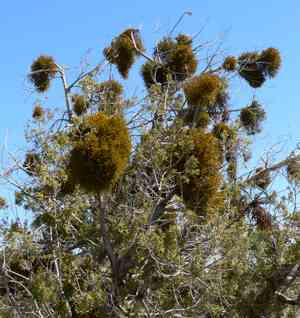
Juniper mistletoe, a hemiparasitic evergreen, flourishes on diverse juniper species. To manage its dissemination, pruning entails excising affected or extensively colonized host limbs. Execute cuts a minimum of 4 inches beneath the juniper mistletoe's points of attachment, utilizing sanitized implements. The ideal period for this is late winter or early spring, prior to the emergence of new foliage. Pruning aids the host by alleviating strain and enhancing vigor, and can assist in regulating juniper mistletoe numbers for the host's continued existence. Discard all trimmed matter to avert subsequent infestation.
What Are the Benefits of Pruning Juniper Mistletoe?
What Are the Benefits of Pruning Juniper Mistletoe?
Trimming juniper mistletoe encourages robust development and helps keep its desired form. Regular cutting can prevent excessive growth, ensuring a balanced and attractive shape.
What Is the Best Time for Pruning Juniper Mistletoe?
What Is the Best Time for Pruning Juniper Mistletoe?
Late winter and early spring are optimal for pruning juniper mistletoe as the plant is still inactive but preparing for new growth. Pruning at this time reduces stress on juniper mistletoe and promotes healthy development as it enters its active phase. This timing also lowers the chance of disease spread, as many pathogens are less active in colder temperatures. Additionally, pruning before spring growth allows gardeners to better evaluate the plant's structure and effectively remove any diseased or damaged material. It's important to note that heavy pruning is not advised since juniper mistletoe relies on its host for survival. Light trimming to shape the plant or thin out dense areas before growth resumes ensures optimal health and propagation, avoiding negative impacts on both juniper mistletoe and its host species.
What Tools Do I Need to Prune Juniper Mistletoe?
Hand Pruners
Perfect for cutting small stems and branches of juniper mistletoe. This tool allows for precise cuts that can aid in removing mistletoe growth without significantly harming the host plant.
Lopping Shears
Useful for reaching higher branches or cutting through thicker juniper mistletoe stems that hand pruners cannot handle. Their long handles offer leverage and reach.
Pruning Saw
Essential for removing larger, well-established juniper mistletoe growths. A pruning saw can cut through thick branches where juniper mistletoe is attached, enabling complete removal.
Pole Pruners
Crucial for safely pruning juniper mistletoe that is out of reach from the ground. This tool helps gardeners trim higher host plant branches infested with juniper mistletoe while remaining safely on the ground.
Gloves
Protective gloves are vital for safety when using pruning tools and to shield hands from juniper mistletoe, which may have sharp or rough textures.
How to Prune Juniper Mistletoe
Inspect
Carefully examine juniper mistletoe to identify all diseased, withered, and dead leaves and branches that need to be removed.
Disinfect
Before cutting, sanitize your pruning shears with a solution of 1 part bleach to 9 parts water to prevent disease transmission.
Prune Diseased And Dead
Using the disinfected shears, remove diseased and dead branches by making clean cuts at the base of the affected parts to encourage healthy growth. Similarly, remove withered and diseased leaves to maintain juniper mistletoe's health.
Prune Carefully
For each cut, ensure it is angled to allow water runoff and prevent rot, especially important for juniper mistletoe which may have dense growth that can retain moisture.
Cleanup
After pruning, thoroughly clear away all trimmings from around juniper mistletoe to prevent the spread of pathogens and to maintain a tidy environment that discourages pests.
Common Pruning Mistakes with Juniper Mistletoe
Over-Pruning
Removing too much of juniper mistletoe's growth can stress the plant, leading to reduced vigor and fewer blooms. It's crucial to prune sparingly, aiming to remove only what is necessary for plant health and appearance.
Improper Cutting
Making cuts too far from a node or into the woody structure of juniper mistletoe can create wounds that are difficult for the plant to heal, increasing susceptibility to diseases. Correct technique involves cutting at a 45-degree angle just above a node.
Use Of Dull Tools
Using dull pruning shears can cause jagged cuts that damage juniper mistletoe's tissues, leading to poor healing and entry points for disease. Sharp and clean tools make precise cuts that heal quickly.
Neglecting Tool Hygiene
Not sterilizing tools between cuts, especially when moving between different plants, can spread diseases to juniper mistletoe. Tools should be disinfected with alcohol or a bleach solution to prevent disease transmission.
Random Cutting
Random or unguided cutting without understanding juniper mistletoe's growth pattern can result in unattractive growth and weaken the plant's structure. Pruning should be deliberate and guided by the plant's natural form.
Common Pruning Tips for Juniper Mistletoe
Selective Removal
Targeting only the parasitic or overly dense parts of juniper mistletoe for pruning helps maintain balance within the host plant's ecosystem. Carefully assess and remove sections that compete excessively with the host or cause unwanted stress.
Cut Position
When trimming juniper mistletoe, cuts should be made close to the point of attachment to the host plant to ensure the parasitic structure does not regrow. The goal is to minimize the parasitic impact on the host while preserving its own health.
Prune For Airflow
Enhancing airflow through juniper mistletoe's structure by thinning out dense areas can reduce moisture-related issues such as mold or rot. This promotes healthier growth and reduces infection risk.
Maintain Structure
Retaining the natural shape of juniper mistletoe while pruning results in a more aesthetically pleasing and healthier plant. Focus on removing only the necessary plant material to preserve its inherent form.
Post-Pruning Care
After pruning juniper mistletoe, providing care to the host plant and ensuring it has adequate nutrients and water can help both the host and juniper mistletoe recover and thrive post-pruning. Good care assists in the healing process and supports vigorous growth.



