How to Transplant Desert Mistletoe?
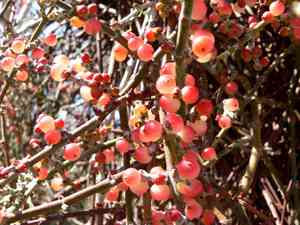
Relocating desert Mistletoe is most effective from the start of the colder period until the mild warmth of the initial growth phase, facilitating a smooth adjustment. Optimal sites offer ample sunlight and soil that drains efficiently. During transplantation, safeguard against root trauma to ensure an uninterrupted shift.
What Preparations are Needed Before Transplanting Desert Mistletoe?
What is the Ideal Time for Transplanting Desert Mistletoe?
The optimal period for relocating desert Mistletoe spans from late winter's onset through the vigorous growth of mid-spring. This timeframe allows roots to settle in cooler, moister soil, promoting robust development once warmer temperatures arrive. Careful attention during this stage ensures desert Mistletoe flourishes, benefiting from softer earth that's easier to work with, leading to a successful transition. Embrace this moment for a garden's prosperity!
How Much Space Should You Leave Between Desert Mistletoe Plants?
Start by marking out locations for your desert Mistletoe, spacing them approximately 10-15 feet (3-4.5 meters) apart. This ensures each plant has ample room to develop and thrive without becoming overcrowded.
What is the Best Soil Mix for Desert Mistletoe Transplanting?
Prepare a well-draining soil mixture with some sand to replicate desert Mistletoe's natural environment. Before planting, enrich the soil with a balanced, slow-release fertilizer to give your desert Mistletoe a healthy beginning.
Where Should You Relocate Your Desert Mistletoe?
Select a sunny location where your desert Mistletoe will receive abundant sunlight, as it thrives in full sun. This will aid your desert Mistletoe in efficient photosynthesis and maintaining strong health.
What Equipments Should You Prepare Before Transplantation Desert Mistletoe?
Gardening Gloves
To safeguard your hands while handling soil and plants.
Shovel/Spade
For digging around and beneath the plant for removal.
Pruning Shears
To trim any dead or excess plant parts prior to transplanting.
Watering Can or Hose
For thoroughly watering the plant before and after transplantation.
Wheelbarrow or Tarp
To move the plant and soil without harming the roots.
How Do You Remove Desert Mistletoe from the Soil?
How Do You Remove Desert Mistletoe from the Soil?
From Ground: Hydrate the desert Mistletoe plant to moisten the soil around its base. Use a shovel to dig a wide circle around the plant, being careful not to harm the root system. Gently slide the shovel under the root ball to loosen it and lift the plant from the soil.From Pot: Begin by watering the desert Mistletoe plant to ensure the soil is damp. Carefully tilt the pot sideways and tap its sides to loosen the root ball, then gently slide the plant out into your hand or onto a tarp.From Seedling Tray: Moisten the soil in the tray to facilitate easier seedling removal. Use a spoon or a small gardening tool to carefully lift out each desert Mistletoe seedling without damaging its delicate roots.
Step-by-Step Guide for Transplanting Desert Mistletoe
Digging the Hole
Excavate a hole in the ground that is twice the width of the desert Mistletoe plant's root ball, but no deeper than the root ball's height to prevent settling.
Inspecting the Plant
Examine the desert Mistletoe plant's root ball for any indications of disease or damage and prune away any dead or superfluous roots with pruning shears.
Placing the Plant
Carefully position the desert Mistletoe plant in the center of the hole, gently spreading its roots. Ensure the top of the root ball is level with the ground surface.
Refilling the Hole
Start backfilling the hole with soil, gently tamping it down to eliminate air pockets. Water the area to help the soil settle.
Staking (If Needed)
If the desert Mistletoe plant is tall or unstable, insert stakes into the ground and loosely secure the plant with garden ties for support.
How Do You Care For Desert Mistletoe After Transplanting?
Watering
Water the desert Mistletoe thoroughly immediately after transplanting, and then consistently to maintain adequate moisture during the initial growing season.
Mulching
Apply a layer of organic mulch around the base of the desert Mistletoe to help retain soil moisture and regulate temperature.
Monitoring
Regularly inspect the desert Mistletoe for signs of stress, such as wilting or discolored leaves, and address them promptly.
Pruning
Trim away any dead or damaged growth to encourage robust, healthy development of the desert Mistletoe.
Troubleshooting Common Issues with Desert Mistletoe Transplantation.
What's the best time of year to transplant desert Mistletoe?
The optimal transplanting period is during the cooler months, from early winter to mid-spring, to minimize stress on desert Mistletoe.
How far apart should I space desert Mistletoe when transplanting?
Ensure a generous spacing of 10-15 feet (3-4.5 meters) between each desert Mistletoe to allow ample room for growth.
How much water does desert Mistletoe need after transplanting?
After transplanting, water thoroughly but avoid overwatering. Allow the soil to dry slightly between irrigation sessions.
What soil conditions are best for transplanting desert Mistletoe?
Plant desert Mistletoe in well-draining soil to prevent root rot and provide a strong foundation for growth.
How deep should the hole be for transplanting desert Mistletoe?
The hole should be twice as wide and just as deep as the root ball of desert Mistletoe.
What should I do if desert Mistletoe's leaves are wilting after transplant?
Wilting can indicate insufficient water or shock. Ensure proper watering and provide shade for recovery after transplanting.
How do I prepare desert Mistletoe for transplanting?
Gently remove desert Mistletoe from its current location, keeping the root ball intact, and trim any damaged roots.
Do I need to fertilize desert Mistletoe after transplanting?
Wait until desert Mistletoe has established itself before fertilizing. Initially, focus on appropriate watering and soil conditions.
Can desert Mistletoe be transplanted in direct sunlight?
Transplant desert Mistletoe in a location that receives a balance of sunlight and partial shade to prevent sun stress.
What to do if desert Mistletoe doesn't show new growth after transplanting?
Be patient, as desert Mistletoe may require time to establish. Ensure ideal conditions and care during this period.



