Enhancing Your Garden Design with the Desert Mistletoe Plant: A Landscaping Guide
1
Desert Mistletoe flourishes in dry environments and needs little upkeep.
2
Incorporating Desert Mistletoe alongside other desert flora can result in an aesthetically pleasing and environmentally sound garden.
3
Desert Mistletoe is vital for sustaining local ecosystems, offering shelter and sustenance to wildlife.
Understanding the Role of Desert Mistletoe in Desert Landscapes
Exploring its natural habitat and growth patterns
Desert Mistletoe is a plant well-adapted to desert environments, thriving in arid conditions where other plants might struggle. It typically grows on host trees, extracting water and nutrients, which allows it to flourish even in the harshest climates. Its natural habitat includes the desert regions of southwestern North America, where it has evolved to survive extreme temperatures and minimal rainfall.
Identifying the visual benefits it brings to arid environments
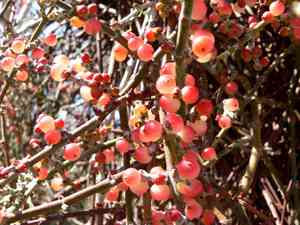
Desert Mistletoe adds a unique visual element to desert landscapes with its distinctive, dense clusters of green foliage. It provides a lush contrast to the typically sparse desert terrain. Additionally, the plant produces small, berry-like fruits that add a touch of color and can attract birds, enhancing the overall aesthetic appeal of your garden while contributing to the local ecosystem.
Integrating Desert Mistletoe with Other Desert Plants
Best companion plants for Desert Mistletoe in your garden
To create a harmonious and vibrant desert garden, consider pairing Desert Mistletoe with plants such as cacti, succulents, and other drought-resistant species like agave and yucca. These plants complement Desert Mistletoe's growth habits and visual characteristics, allowing for a cohesive and eye-catching garden design.
Tips for creating visually appealing plant clusters
When arranging Desert Mistletoe alongside other plants, aim for varied heights and textures to create depth and interest. Group plants in odd numbers for a more natural look, and use gravel or mulch to keep the soil cool and conserve moisture. This arrangement not only enhances the visual appeal but also ensures each plant's health and growth.
Practical Tips for Planting and Maintenance
Step-by-step guide to planting Desert Mistletoe
Start by selecting a suitable host tree, such as mesquite or palo verde, that can support Desert Mistletoe's parasitic relationship. Make a small incision in the host tree's bark and secure Desert Mistletoe seeds or cuttings in place. Ensure the area receives adequate sunlight, and water sparingly, allowing the plant to establish its root system gradually. Regularly check for successful attachment and growth.
Key considerations for sustaining its growth and beauty
Maintaining Desert Mistletoe in your garden is relatively easy. Monitor for overgrowth and prune as necessary to prevent it from overwhelming its host. Ensure the host tree remains healthy, as its well-being directly affects Desert Mistletoe's survival. Be mindful of local wildlife that may be attracted to Desert Mistletoe's berries and ensure they do not cause undue damage to your plants.
Design Ideas Featuring Desert Mistletoe in Landscaping
Innovative ways to use Desert Mistletoe in landscape architecture
Incorporate Desert Mistletoe into your garden as focal points on host trees, or use it to create natural canopies and shaded areas. Its unique growth pattern can be used to form living sculptures, adding an artistic touch to your landscape. Consider combining Desert Mistletoe with xeriscaping techniques to maximize water efficiency and sustainability in your garden design.
Inspiring real-world examples of desert gardens
Look to established desert gardens for inspiration—many showcase Desert Mistletoe as part of their landscape architecture. For instance, the Desert Botanical Garden in Phoenix, Arizona, features stunning examples of how Desert Mistletoe can be integrated into desert landscapes. These real-world applications demonstrate the plant's versatility and contribute to both functional and aesthetic garden designs.
The Benefits of Including Desert Mistletoe in Your Garden
Ecological advantages of Desert Mistletoe in local ecosystems
Desert Mistletoe plays an essential role in supporting desert ecosystems. It provides food and shelter for various birds and insects, thereby promoting biodiversity. As a parasitic plant, it also helps manage the growth of certain host trees, contributing to the balance and health of the ecosystem.
How Desert Mistletoe can contribute to biodiversity and beauty
By adding Desert Mistletoe to your garden, you are not only enhancing its visual appeal but also supporting local wildlife and plant diversity. Its presence can attract birds, butterflies, and other beneficial insects, creating a lively, dynamic environment. The unique texture and form of Desert Mistletoe also make your garden stand out, offering a distinct, beautiful element that is both functional and decorative.



