How to Transplant Longleaf phlox?
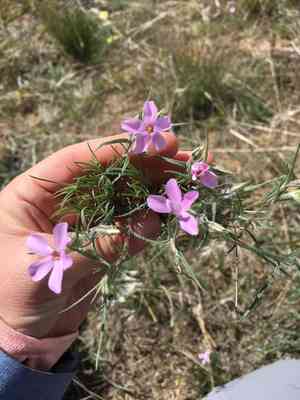
Longleaf phlox flourishes when relocated from the beginning to the end of spring, as this period allows for ideal acclimation. Select a bright, adequately drained spot for superior outcomes. Confirm the soil is aerated and refrain from excessive watering to avert root decay.
What Preparations are Needed Before Transplanting Longleaf Phlox?
What is the Ideal Time for Transplanting Longleaf Phlox?
The best time to move longleaf phlox is from the beginning to the end of spring. This period allows the plant to develop its root system before summer's heat, boosting its growth and flowering potential. Transplanting then optimizes the plant's health by utilizing cooler weather and increased moisture.
How Much Space Should You Leave Between Longleaf Phlox Plants?
When planning to relocate longleaf phlox, aim to position each plant 12-18 inches (30-46 cm) apart. This spacing provides ample room for growth and prevents competition for nutrients and water.
What is the Best Soil Mix for Longleaf Phlox Transplanting?
For longleaf phlox, prepare a soil mixture that drains effectively. Loamy or sandy soil types are suitable. Enhance the soil with a balanced base fertilizer, such as a 10-10-10 NPK formula, to give your plants a nutrient-rich start.
Where Should You Relocate Your Longleaf Phlox?
Select a sunny location for transplanting longleaf phlox. They flourish with a minimum of 6 hours of direct sunlight daily. Steer clear of shaded areas or those with insufficient light to ensure robust growth.
What Equipments Should You Prepare Before Transplantation Longleaf Phlox?
Gardening Gloves
To shield your hands while handling soil and plants.
Spade or Shovel
For digging and creating the perimeter around the plant.
Watering can or hose
To hydrate the soil before and after relocation.
Garden Trowel
For more precise excavation and handling of the root mass.
Wheelbarrow
To move the plant if necessary.
Mulch
Helps maintain soil moisture and regulate temperature.
Stakes and ties
To offer support to the relocated plant if required.
How Do You Remove Longleaf Phlox from the Soil?
How Do You Remove Longleaf Phlox from the Soil?
From Ground: First, water the longleaf phlox plant to moisten the soil. Then, dig a wide trench around the plant using a shovel or spade, ensuring the plant's root ball remains intact. Carefully work the spade under the root ball to lift the plant from its original location.From Pot: Water the longleaf phlox to loosen the soil. Gently tip the pot on its side and tap the bottom to release the plant. Carefully slide the plant out, preserving as much of the root structure as possible.From Seedling Tray: Water the seedlings to ease their removal. Use a garden trowel or your fingers to gently lift each longleaf phlox seedling from the tray, making sure to capture the entire root system.
Step-by-Step Guide for Transplanting Longleaf Phlox
Site Preparation
Prepare the new planting location beforehand by digging a hole twice as wide and equally deep as the longleaf phlox's root ball.
Remove Plant
Follow the appropriate removal method for your situation, whether the plant originates from the ground, a container, or a seedling tray.
Transport Plant
If needed, place the longleaf phlox plant in a wheelbarrow and carefully move it to its new spot.
Planting
Position the longleaf phlox in the prepared hole, ensuring the top of the root ball is level with the surrounding soil. Backfill the hole with soil, gently firming it around the roots.
Watering
Thoroughly water the newly transplanted longleaf phlox to help settle the soil and eliminate any air pockets.
Mulching
Apply a layer of mulch around the plant's base to retain moisture and regulate soil temperature.
Support
If the longleaf phlox is tall and spindly, consider using stakes and ties to provide support until the plant is established.
How Do You Care For Longleaf Phlox After Transplanting?
Watering
Keep the soil around the longleaf phlox consistently damp, but not waterlogged, for the initial weeks post-transplant to aid in root establishment.
Monitoring
Regularly inspect the longleaf phlox for indications of transplant shock, such as wilting or yellowing foliage, and address any issues promptly.
Pruning
Lightly trim any damaged or dead leaves or stems to encourage new growth.
Fertilizing
Avoid fertilizing immediately after transplanting; wait until the longleaf phlox has had a few weeks to settle and establish its roots.
Troubleshooting Common Issues with Longleaf Phlox Transplantation.
When is the best time to transplant longleaf phlox?
The optimal period for relocating longleaf phlox is from early spring to late spring.
How should I space longleaf phlox after transplanting?
Space the plants 12-18 inches (30-45 cm) apart to ensure proper growth.
How deep should the transplant hole be for longleaf phlox?
Dig a hole deep enough to fully cover the root ball, typically about 6 inches (15 cm).
What soil type is best for longleaf phlox transplants?
Longleaf phlox thrives in well-draining soil with a neutral to slightly acidic pH.
How should I water longleaf phlox after transplanting?
Water thoroughly after transplanting and maintain consistent moisture but avoid waterlogging.
Can I transplant longleaf phlox in full sun?
Yes, longleaf phlox prefers a location with full sun for at least 6 hours daily.
How can I reduce transplant shock for longleaf phlox?
To reduce shock, water well before and after transplanting and avoid damaging the roots.
Is it necessary to add fertilizer when transplanting longleaf phlox?
Adding compost or a balanced fertilizer can help, but avoid over-fertilizing to prevent root burn.
What should I do if longleaf phlox wilts after transplanting?
Ensure adequate watering and mulching to retain moisture, and provide partial shade temporarily.
How can I protect longleaf phlox from pests during transplanting?
Use organic mulch and natural insecticides to keep pests at bay while longleaf phlox establishes itself.



