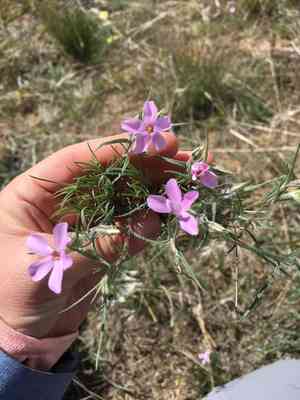
Longleaf phlox (Phlox longifolia)
Also known as: Longleaf phlox, long-leaved phlox
Longleaf phlox is a perennial wildflower that prefers sunny, open, and rocky environments. It features slender stems adorned with clusters of fragrant, tubular blossoms in shades of violet to white. These flowers attract many pollinators during the spring and early summer. The plant is named for its long, narrow leaves, distinguishing it from other phlox species.
In This Article
Attributes of Longleaf phlox
Lifespan
Perennial
Plant Type
Herb, Shrub
Plant Height
10 cm to 51 cm
Spread
Spreading, up to 30 cm
Leaf Color
Green
Flower Size
1-2 cm
Flower Color
Pink, Purple, White
Images of Longleaf phlox
Quickly Identify Longleaf phlox
1
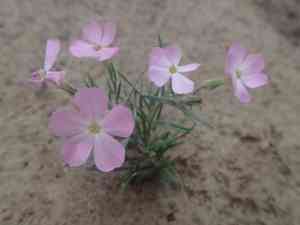
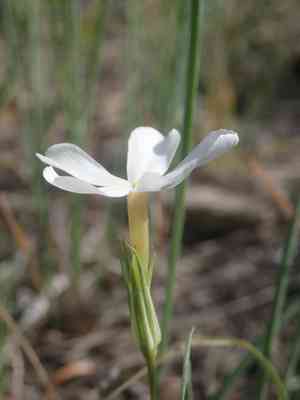
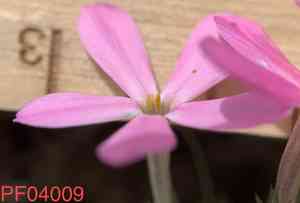
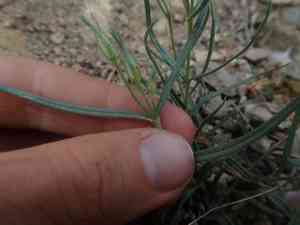
Phlox longifolia can be identified by its long, narrow leaves that can grow up to several inches in length. The plant produces clusters of small, star-shaped flowers that come in shades of pink, purple, and white.
Scientific Classification of Longleaf phlox
Phylum
Vascular plants
Class
Dicotyledons
Order
Ericales
Family
Phlox
Genus
Phloxes
Species
Longleaf phlox
Planting and Growing of Longleaf phlox
Care Difficulty
Easy
Watering Schedule
Every 2 days
Sunlight Requirements
Full sun
Sunshine Duration
6-10 hours
Ideal Temperature
60-75℉
Soil Type
Potting Mix, Peat Mix
Soil pH
6.5-7.5
Fertilizer Type
Balanced
Pruning Season
Spring, Summer
Pruning Area
Branches, Leaves
Pruning Frequency
2 times a year
Repotting Season
Spring
Pot Type
Plastic, Ceramic
 How to Water Longleaf phlox?
Phlox longifolia prefers a moderate watering regimen, where the soil is kept uniformly moist. It's important to ensure that water reaches 15-20 cm deep into the soil for optimal root absorption, mimicking natural conditions without waterlogging.
What are the symptoms of an underwatered Longleaf phlox?
›
What should I do if my Longleaf phlox is not getting enough water?
›
What are the symptoms of an overwatered Longleaf phlox?
›
How to save an overwatered Longleaf phlox?
›
 What Are the Sunlight Requirements for Longleaf phlox?
Phlox longifolia prefers full sun to partial sun exposure. Ideal lighting helps in vigorous growth and ensures a profusion of bright blooms, vital for the plant's aesthetic and health.
What are the ideal lighting conditions for Phlox longifolia?
›
How can I ensure Phlox longifolia receives the needed light?
›
What are the benefits of providing ideal lighting to Phlox longifolia?
›
 What Is the Ideal Temperature Range for Longleaf phlox?
Phlox longifolia thrives in environments where temperatures consistently range between 60°F and 75°F. This optimal range supports healthy photosynthesis and growth, providing the best conditions for the plant's lifecycle. Maintaining a stable temperature within this range ensures the plant can sustain its metabolic processes efficiently, resulting in vibrant foliage and robust flowering. Ideal temperatures help in minimizing stress factors that could impair plant growth and lead to potential health issues.
 What Soil is Best for Longleaf phlox?
Phlox longifolia thrives in well-draining soils, which are crucial for preventing water retention that can lead to root rot. This characteristic allows the plant's roots to access oxygen more effectively, promoting vigorous growth and a robust flowering display. A soil profile rich in nutrients supports the healthy growth of Phlox longifolia by providing essential elements required for photosynthesis and overall vigor. Enriched soil can enhance the plant's resilience against pests and diseases, ensuring a lush and vibrant appearance. While drainage is essential, some moisture retention helps Phlox longifolia sustain periods of dry weather without additional irrigation. This balance prevents wilting and dehydration, securing a consistent and healthy growth cycle.
 How to Fertilize Longleaf phlox?
Phlox longifolia appreciates a balanced approach to fertilization. Use liquid fertilizer at a rate of 1/2 teaspoon per gallon, ensuring the product is diluted adequately to prevent root burn. For slow-release fertilizers, use about 1 tablespoon per plant applied around the root zone.
 How to Prune Longleaf phlox?
Start by removing any dead or diseased stems to improve airflow and plant health. Next, trim back about one-third of the plant's height, which should stimulate new growth and encourage bushier shapes. Make sure to use sharp and clean shears to avoid tearing the stems. To maintain an attractive shape, focus on encouraging even growth by trimming stems just above a set of leaves. This technique redirects the plant's energy to the remaining buds, promoting a more uniform appearance. Ensure you remove any crossing or overcrowded branches.
More About Pruning Techniques→
 How to Propagate Longleaf phlox plant?
1
Gather seeds from mature Phlox longifolia plants. Clean and dry them before planting. Seeds may require stratification, so consider cold-treating them if necessary for improved germination rates.
2
Use sterilized pruning shears to take 4-6 inch cuttings from healthy plants. Remove lower leaves to expose nodes and dip the cut end in rooting hormone to promote root growth.
3
Carefully divide established clumps of Phlox longifolia to propagate. Ensure each division has roots and shoots. Replant immediately in suitable soil and water well.
 How to Repot Longleaf phlox plant?
1
Repot your Phlox longifolia when you notice signs such as roots coming out of the drainage holes, reduced growth, or wilting leaves. Ideally, this should be done in early spring or autumn when the plant is not actively blooming, allowing it to adjust to new soil and conditions with less stress.
2
Select a pot that is only slightly larger than the previous one to encourage healthy root growth. It should have ample drainage holes to prevent waterlogging, which can lead to root rot. A well-chosen pot should enhance the plant's drainage while providing enough room for new growth, making it a vital part of the repotting process.
3
For Phlox longifolia, select a well-draining loamy mix that holds moisture while providing good aeration. The right soil ensures the plant’s roots can breathe and reduces the risk of fungal infections or rot, thereby supporting robust growth and vibrant flowering.



