How to Prune Longleaf phlox?
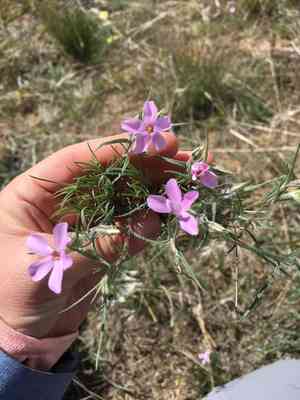
A resilient plant recognized for its vibrant blossoms and vigorous development, longleaf phlox flourishes with appropriate trimming. Snip off spent or withered blooms immediately following their flowering period to stimulate subsequent flowering and sustain plant strength. The most effective times for pruning are in late spring and continuously through the summer months. Consistent removal of spent flowers not only fosters a neat aesthetic but also boosts the production of new blooms. This targeted elimination is essential for the health and extended flowering duration of longleaf phlox, establishing it as a key technique for cultivators seeking to maximize their plants' decorative appeal.
Advantages of Trimming Longleaf Phlox
Advantages of Trimming Longleaf Phlox
Trimming longleaf phlox promotes robust development and helps keep its compact, bushy form. Consistent cutting back encourages denser foliage and can improve its overall health and visual appeal.
Optimal Period for Trimming Longleaf Phlox
Optimal Period for Trimming Longleaf Phlox
Trimming longleaf phlox in Spring is most advantageous as it prepares the plant for its active growth phase and enhances blooming. Pruning at this time helps remove any winter-damaged branches, encourages new growth, and maintains its desired shape, improving overall health and aesthetic appeal. Summer trimming can also be beneficial for longleaf phlox to manage size, remove faded flowers, and encourage further blooming. It is crucial to prune after the initial flush of flowers to allow time for the plant to produce more blooms in the same growing season.
Necessary Tools for Trimming Longleaf Phlox
Bypass Pruners
Perfect for making clean, precise cuts on the softer, green stems of longleaf phlox. These pruners are well-suited for the typical stem thickness of longleaf phlox, ensuring minimal damage to the plant while promoting healthier growth.
Pruning Shears
Useful for shaping and deadheading longleaf phlox, specifically during its blooming period to encourage a fuller plant and more blooms in the subsequent season. The sharp blades allow for quick and clean cuts, essential for maintaining the appearance and health of longleaf phlox.
Gardening Gloves
While not a cutting tool, gloves are essential for protecting the hands from thorns or rough stems, ensuring safety while pruning longleaf phlox.
How to Trim Longleaf Phlox
Identify
Locate diseased and withered leaves, along with any affected stems on longleaf phlox. Look for any signs of discoloration, unusual growth patterns, or decay.
Disinfect
Before starting the trimming process, sanitize your pruning tools. This prevents the spread of disease from infected parts of longleaf phlox to healthy ones. Use a solution of one part bleach to nine parts water or use alcohol wipes.
Prune
Carefully remove the diseased and withered leaves as well as affected stems from longleaf phlox. Make clean cuts close to the base of the affected leaves and stems without harming the healthy parts. Use sharp, clean pruning shears or scissors.
Clean
After trimming, clear away all removed parts from around longleaf phlox to prevent further spread of disease. Dispose of them properly, not in a compost bin, as they may contain pathogens.
Monitor
Regularly observe longleaf phlox after trimming for any signs of new growth or further signs of disease. This helps in maintaining the health and aesthetics of the plant.
Common Trimming Errors with Longleaf Phlox
Over-trimming
A common error is removing too much at once from longleaf phlox, which can stress the plant and lead to reduced blooming. Limit trimming to no more than one-third of the plant to maintain its health and vigor.
Incorrect timing
Trimming longleaf phlox at the wrong time can disrupt its blooming cycle, as it can mistakenly remove buds that were set to bloom in the upcoming season.
Wrong method
Using dull or dirty pruning tools can damage the stems of longleaf phlox, leading to jagged cuts that heal poorly and increase susceptibility to diseases.
General Trimming Advice for Longleaf Phlox
Correct tools
Use sharp, clean pruning shears for longleaf phlox to make clean cuts. Sterilizing the tools before use can help prevent the spread of disease.
Selective thinning
Thin out the oldest stems to promote better air circulation and light penetration within the center of longleaf phlox, which encourages strong new growth and increases flower production.
Prune dead flowers
Regularly deadhead spent blooms of longleaf phlox to redirect energy from seed production to more blooms and healthier foliage, extending the flowering season.



