How to Propagate Longleaf phlox?
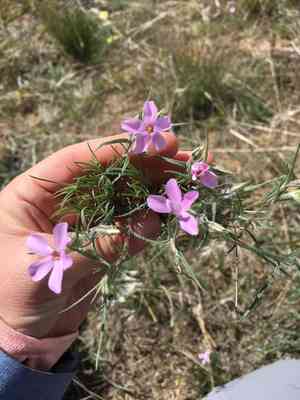
Phlox longifolia flourishes in soil that drains effectively and receives ample sunlight. For propagation, plant seeds directly into prepared ground, ensuring continuous dampness. Initially, maintain a moderate yet consistent watering schedule. Once young plants emerge, thin them to achieve ideal spacing, fostering robust development. Periodically inspect for insects and ailments, and provide sufficient air circulation to encourage strong growth. This method guarantees abundant blooms and a prominent garden display.
Optimal Time for Longleaf Phlox Propagation
Propagation Method
Seeding
Propagation Period
Spring
Tools for Longleaf Phlox Propagation
Seed trays
Seed trays are perfect for starting longleaf phlox seeds indoors, providing ample room for each seed to establish its root system. They help maintain consistent moisture and temperature, vital for germination and early growth.
Sphagnum peat moss
Sphagnum peat moss is incorporated into seed starting mixes to offer a sterile, acidic, and moisture-retentive environment, beneficial for longleaf phlox seed germination. It helps prevent diseases and supports root development.
Misting bottle
A misting bottle is used to gently water longleaf phlox seeds without disturbing their position or the soil structure. Consistent moisture is key for germination, and misting provides this without the force of traditional watering.
Grow lights
Grow lights are essential when starting longleaf phlox seeds indoors, especially in areas with insufficient natural sunlight. They provide the necessary light spectrum to support photosynthesis and healthy early-stage growth.
Heating mat
A heating mat helps maintain the soil at an ideal temperature for longleaf phlox seed germination. This is particularly useful in cooler climates or during colder months when ambient temperatures might hinder germination rates.
Fine-tipped tweezers
Fine-tipped tweezers can be used to delicately handle longleaf phlox seeds and seedlings, minimizing damage during sowing and thinning. This precise tool aids in accurate seed placement and managing tiny seedlings.
How to Propagate Longleaf Phlox?
Propagation Type
Simple
Caring for Newly Propagated Longleaf Phlox
Caring for Newly Propagated Longleaf Phlox
Post-propagation, ensure longleaf phlox receives full to partial sun and well-drained soil. Regular watering is crucial, especially during dry spells, but avoid overwatering to prevent root rot. Fertilize lightly in spring. Mulching helps retain moisture and control weeds. Monitor for pests and diseases, treating as needed to maintain plant health.
Common Mistakes to Avoid When Propagating Longleaf Phlox
Overwatering during rooting
Excessive moisture can lead to root rot in longleaf phlox. This not only impedes new root development but can also cause fungal infections, severely compromising the plant's health.
Using non-sterile propagation materials
Employing contaminated tools or mediums can introduce pathogens to longleaf phlox cuttings, hindering root growth and potentially causing plant death.
Cutting too short stems
If stem cuttings are too short, they may lack sufficient nodes to initiate healthy roots and shoots, reducing the overall success rate of propagation.
Tips For Propagating Longleaf Phlox
Ensure proper stem length and node presence
Cuttings should be long enough and include several nodes. Nodes are vital as they are points from which roots and shoots emerge. Typically, a 4-6 inch cutting with at least 2-3 nodes is advisable.
Use a well-draining medium
This helps prevent moisture-related issues such as root rot. A mix of perlite, vermiculite, and sand is often effective for longleaf phlox, providing the necessary drainage and aeration.
Maintain optimal humidity
Covering the propagation setup with a plastic bag or using a humidity dome can help maintain consistent moisture levels around longleaf phlox cuttings, supporting effective root development without the complications of overwatering.



