How to Transplant Prairie phlox?
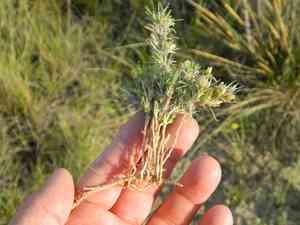
Prairie phlox ought to be relocated during the vibrant period of early to late spring to achieve peak development. Select a bright spot featuring soil that drains effectively. Minimize disruption to its root system to ensure successful integration.
What Preparations are Needed Before Transplanting Prairie Phlox?
What is the Ideal Time for Transplanting Prairie Phlox?
The best period for relocating prairie phlox, a perennial, spans from early spring through late spring. This timing capitalizes on mild temperatures and increasing daylight, promoting strong root development and establishment. Moving prairie phlox during this prime window ensures the plant's resilience and vigorous growth, enhancing its adaptation and minimizing shock from the move.
How Much Space Should You Leave Between Prairie Phlox Plants?
When relocating prairie phlox, position them 12-18 inches (30-45 cm) apart. This provides them with sufficient room to expand and flourish, encouraging healthy development and abundant blossoms.
What is the Best Soil Mix for Prairie Phlox Transplanting?
For prairie phlox, prepare a well-draining soil blend enriched with compost. Incorporating a balanced, slow-release fertilizer will supply the necessary nutrients for your perennial to thrive. Steer clear of heavy clay soils.
Where Should You Relocate Your Prairie Phlox?
Move prairie phlox to a sunny location that receives at least 6 hours of direct sunlight daily. They appreciate warmth and light, which aids in the production of vibrant flowers.
What Equipments Should You Prepare Before Transplantation Prairie Phlox?
Gardening Gloves
To safeguard your hands while handling soil and plants.
Shovel or Spade
For excavating the new planting hole and extracting the plant from the ground.
Hand Trowel
To assist in digging smaller, precise holes if required.
Watering Can or Hose
To hydrate the plant before and after its relocation.
Pruning Shears
To trim any damaged or excessively long roots.
How Do You Remove Prairie Phlox from the Soil?
How Do You Remove Prairie Phlox from the Soil?
From Ground: First, moisten the prairie phlox plant to soften the soil. Then, excavate a wide trench around the plant using a shovel or spade, ensuring the plantâs root ball remains intact. Carefully work the spade beneath the root ball to lift the plant from its original spot.From Pot: Thoroughly water the prairie phlox plant. Gently compress the pot to loosen the soil, then tilt the pot sideways and slide the plant out, supporting the base of the stem and root ball with your hand. If the plant is stuck, you might run a knife along the edges between the soil and the pot.From Seedling Tray: Water the prairie phlox seedlings prior to removal. Use a hand trowel or your fingers to carefully lift the seedlings from the tray, ensuring you preserve as much of the root system as possible.
Step-by-Step Guide for Transplanting Prairie Phlox
Site Preparation
Prepare the new planting location by digging a hole that is twice as wide and the same depth as the prairie phlox plant's root ball. Ensure the soil is loose and drains well.
Removing Plant
Follow the detailed extraction procedure based on the prairie phlox plant's initial position.
Planting
Place the prairie phlox plant into the hole, making sure it sits at the same depth as it was in its previous spot. Backfill the hole with soil, gently pressing it down to eliminate air pockets.
Watering
Thoroughly water the newly relocated prairie phlox to settle the soil around its roots. Ensure the water reaches the root ball.
How Do You Care For Prairie Phlox After Transplanting?
Watering
Keep the soil around the prairie phlox consistently moist, but not waterlogged, for the initial weeks post-transplant to aid in developing strong roots.
Mulching
Apply a layer of mulch around the base of the prairie phlox plant to help retain moisture and deter weeds.
Monitoring
Regularly inspect the prairie phlox plant for indications of stress such as wilting or yellowing leaves, and adjust care as necessary.
Protection
Shield the prairie phlox plant from harsh conditions like strong winds or extreme temperatures while it establishes itself.
Troubleshooting Common Issues with Prairie Phlox Transplantation.
When is the best time to transplant prairie phlox?
The optimal period to relocate prairie phlox is from early spring to late spring.
How far apart should prairie phlox be spaced?
Space prairie phlox plants 12-18 inches (30-45 cm) apart for ideal growth.
What type of soil is best for prairie phlox?
Prairie phlox thrives in well-drained, slightly acidic to neutral soil, with pH 6.0-7.0.
How to prepare the soil for transplanting prairie phlox?
Loosen the top 8-12 inches (20-30 cm) of soil and incorporate compost or organic matter.
How should I water prairie phlox after transplanting?
Water prairie phlox thoroughly after relocating and maintain consistently moist, but not waterlogged, soil.
How deep should I plant prairie phlox seedlings?
Plant prairie phlox seedlings at the same depth they were growing in their prior location.
What should I do if prairie phlox shows signs of transplant shock?
Provide shade, keep soil moist, and refrain from fertilizing until prairie phlox exhibits new growth.
Can I transplant prairie phlox in the fall?
It's preferable to relocate prairie phlox in spring for optimal establishment and growth.
How do I protect prairie phlox from transplant stress?
Move on a cloudy day, water thoroughly, and use mulch to maintain soil moisture.
What kind of mulch is suitable for prairie phlox?
Organic mulch such as straw, shredded leaves, or composted bark helps retain moisture and control weeds.



