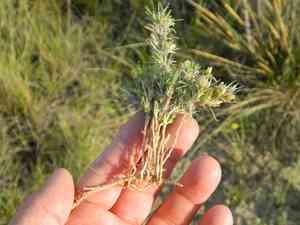
Prairie phlox (Phlox andicola)
Also known as: None
Alpine Aster (*Aster alpinus*) is a delightful perennial that flourishes in alpine zones. It displays radiant purple flowers that bloom on robust stems, attracting both butterflies and hummingbirds. This plant's compact stature, rarely reaching above mid-calf, suits it perfectly for rocky soils and steep inclines, embodying the rugged essence of its mountainous habitat.
In This Article
Attributes of Prairie phlox
Lifespan
Perennial
Plant Type
Herb
Plant Height
30 cm to 91 cm
Spread
15–30 cm
Leaf Color
Green
Flower Size
1.5–2 cm
Flower Color
Pink, Purple
Images of Prairie phlox
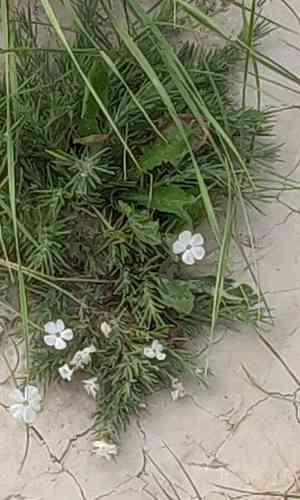
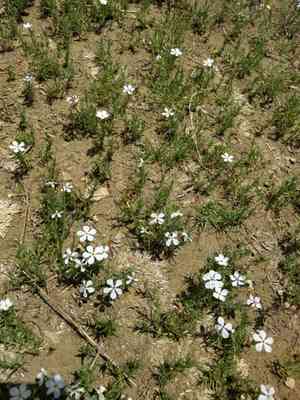

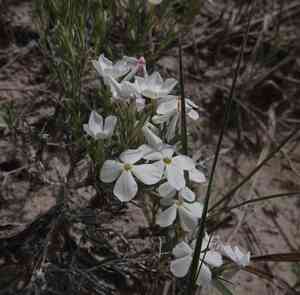
Quickly Identify Prairie phlox
1
Phlox andicola can be identified by its compact, cushion-like growth, with narrow, linear leaves and clusters of small, brightly colored flowers, usually pink or purple.
Scientific Classification of Prairie phlox
Phylum
Vascular plants
Class
Dicotyledons
Order
Ericales
Family
Phlox
Genus
Phloxes
Species
Prairie phlox
Planting and Growing of Prairie phlox
Care Difficulty
Moderate
Watering Schedule
Every day
Sunlight Requirements
Full sun
Sunshine Duration
6-10 hours
Ideal Temperature
60-75℉
Soil Type
Potting Mix, Peat Mix
Soil pH
6.5-7.5
Fertilizer Type
Balanced
Pruning Season
Spring, Summer
Pruning Area
Branches, Leaves
Pruning Frequency
2 times a year
Repotting Season
Spring
Pot Type
Plastic, Ceramic
 How to Water Prairie phlox?
Phlox andicola prefers moderate watering. Ensure the soil is evenly moist but not soggy, which typically requires about 250 milliliters of water per session. Water until the top inch of the soil feels damp to touch.
What are the symptoms of an underwatered Prairie phlox?
›
What should I do if my Prairie phlox is not getting enough water?
›
What are the symptoms of an overwatered Prairie phlox?
›
How to save an overwatered Prairie phlox?
›
 What Are the Sunlight Requirements for Prairie phlox?
Phlox andicola prefers full sun to partial sun. Ideal lighting conditions improve its photosynthesis rate, ensuring lush foliage and consistent, vibrant flowering.
How much sun does Phlox andicola need?
›
What are ideal lighting solutions for growing Phlox andicola?
›
Why is ideal lighting important for Phlox andicola?
›
 What Is the Ideal Temperature Range for Prairie phlox?
Maintaining an ideal temperature range between 60°F and 75°F is crucial for Phlox andicola. This range ensures optimal photosynthesis and growth. Staying within these limits helps the plant thrive, promoting vibrant blooms and vigorous foliage development.
 What Soil is Best for Prairie phlox?
Phlox andicola thrives in well-drained soils which prevent waterlogging, reducing the risk of root rot. Adequate drainage ensures that roots do not sit in water, promoting healthier growth and blossom production. Nutrient-rich soil provides the essential minerals and nutrients required for optimal growth. It supports the vibrant colors of Phlox andicola's flowers and robust foliage. Maintaining a balanced soil pH between 6.5 and 7.5 allows Phlox andicola to effectively uptake necessary nutrients, ensuring strong growth and vitality.
 How to Fertilize Prairie phlox?
For Phlox andicola, it's crucial to be moderate with fertilization. Use a liquid fertilizer that's balanced, such as a 10-10-10 or 14-14-14 NPK mix. Apply at half the recommended strength to avoid overwhelming the plant. When using a slow-release fertilizer, ensure it's lightly scattered on the soil's surface to be integrated gradually over time, providing a steady release of nutrients.
 How to Prune Prairie phlox?
First, locate and remove any dead or diseased stems. This should be done by cutting them back to the base to redirect the plant's energy. Next, trim overgrown stems to maintain an aethetic shape, which will encourage fuller, bushier growth. Cut above a node or leaf junction for best results. Make space between the stems to promote better air circulation. By removing some inner stems, you reduce the risk of diseases and pests. During the blooming season, regularly remove spent flowers, or deadhead, to encourage continuous blooming. Cut just above the first set of healthy leaves.
More About Pruning Techniques→
 How to Propagate Prairie phlox plant?
1
Collect seeds from mature Phlox andicola plants and dry them briefly. Use a seed starting tray with moist seed-starting mix and sow the seeds, covering lightly with soil. Maintain a humid environment for optimal germination.
2
Cut healthy stems approximately 4-6 inches long with several leaves. Remove the lower leaves, dip the cut end in rooting hormone, and plant in moist potting soil. Cover with a plastic bag to maintain humidity while roots form.
3
Dig up mature Phlox andicola clumps carefully to avoid damaging the root system. Divide the clump into smaller sections with roots and stems intact. Replant these sections into prepared soil and water thoroughly.
 How to Repot Prairie phlox plant?
1
Phlox andicola signals its need to be repotted through roots growing through the pot's drainage holes or when growth slows significantly. The best time to repot is in the spring or autumn, allowing the plant to settle before peak growing periods.
2
Select a pot that is one size larger than the current one, and ensure it has adequate drainage holes. A pot made of natural materials like terra cotta is beneficial as it allows moisture to escape, preventing root rot and maintaining healthy root systems.
3
Opt for a well-draining, sandy mix to replicate the plant's natural habitat. This ensures that water doesn’t linger around the roots, reducing the risk of fungal diseases while providing essential nutrients for robust Phlox andicola growth.
Learn More About Prairie phlox Diseases
Anthracnose
Bacterial Leaf Spot
Bacterial Soft Rot
Bacterial Wilt
Black Spot
Chemical Injury
Crown Gall
Cyst Nematode
Damping-off
Downy Mildew
Drought Stress
Fusarium Wilt
Gray Mold
Leaf Curl
Leaf Spot
Mosaic
Nutrient Deficiency
Nutrient Toxicity
Powdery Mildew
Root Rot
Root-knot Nematode
Rusts
Sooty Mold
Spider Mites
Temperature Stress
Thrips Damage
White Mold



