How to Prune Prairie phlox?
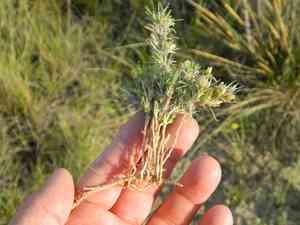
Prairie phlox is recognized for its vivid blossoms and dense foliage. Trimming should occur in early spring or late winter to foster robust development and boost floral production. Cut away any lifeless or injured stalks and thin out crowded sections to enhance air movement. Deadheading spent flowers can stimulate further blossoming. Consistent pruning aids in preserving the plant's form and vitality, diminishing the likelihood of ailments and infestations. Always use sanitized, sharp implements for accurate incisions.
Advantages of Trimming Prairie Phlox
Advantages of Trimming Prairie Phlox
Trimming prairie phlox promotes robust development, aids in maintaining its form, and boosts overall plant vitality. Consistent cutting lowers disease risk, enhances air circulation, and stimulates more abundant blooms, ensuring a well-kept and appealing look.
Optimal Period for Pruning Prairie Phlox
Optimal Period for Pruning Prairie Phlox
Pruning or trimming prairie phlox during early spring or late winter is considered ideal as it coincides with the plant's dormant phase. During these seasons, prairie phlox is less likely to suffer stress or harm from pruning since it is not actively growing. Additionally, this timing allows for the encouragement of healthy new growth before the active growing season commences and ensures that prairie phlox can direct its energy towards producing vibrant flowers during its blooming period, typically in late spring and summer. Pruning at these times can also prevent potential issues such as disease and pest infestations.
Necessary Tools for Pruning Prairie Phlox
Hand Pruners
Perfect for making accurate cuts on prairie phlox without harming its delicate stems. Hand pruners enable careful shaping of the plant and removal of spent flowers.
Bypass Pruners
These are a type of hand pruner specifically designed for cutting live plant tissue. They guarantee clean cuts which facilitate quicker healing and decrease the chance of disease.
Pruning Shears
Useful for trimming longer stems and reaching into denser areas of prairie phlox. They provide more leverage than hand pruners, making them effective for slightly thicker stems.
Garden Scissors
Good for light trimming and deadheading. Their fine blades can navigate the small, intricate parts of prairie phlox and are gentle on the plant's tender growth.
How to Prune Prairie Phlox
Preparation
Gather clean, sharp pruning shears and disinfect them to prevent the spread of illness.
Inspection
Thoroughly examine prairie phlox to identify any diseased or withered foliage that requires removal. Look for leaves with discoloration, spots, or signs of pest damage.
Removal
Carefully cut away any diseased leaves at their base to prevent further infection. Dispose of these leaves properly, away from healthy plants.
Withered trimming
Remove withered leaves by cutting them off at their stem attachment. Make clean cuts to encourage healthy growth.
Monitor
Regularly observe prairie phlox after pruning to ensure no new diseased or withered leaves appear. Take immediate action if you see any signs of distress.
Common Pruning Errors with Prairie Phlox
Excessive pruning
Removing too much of the plant can stress prairie phlox, negatively impacting its growth and flowering.
Incorrect timing
Pruning at the wrong time can remove buds that would otherwise bloom, reducing the plant's overall flowering potential.
Poor technique
Using dull tools or making improper cuts can cause damage and create entry points for disease.
Ignoring dead or diseased parts
Failing to remove dead or diseased stems can lead to the spread of illness within prairie phlox.
Neglecting airflow
Not thinning the plant sufficiently can reduce airflow, increasing the risk of fungal diseases.
General Pruning Advice for Prairie Phlox
Use sharp, clean tools
Ensure pruning shears are sharp and cleaned to make precise cuts and avoid spreading diseases.
Remove dead or diseased stems
Consistently check and prune out any dead or diseased parts to maintain plant health.
Thin out densely packed areas
Improve airflow and light penetration by selectively thinning crowded stems.
Cut just above a leaf node
Make cuts just above a leaf node to encourage new, healthy growth.
Prune for shape and size
Gently shape prairie phlox to maintain its natural form and desired size without over-pruning.



