How to Transplant Littleleaf mock-orange?
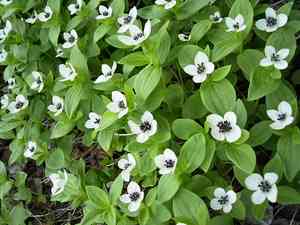
The ideal period for relocating littleleaf mock-orange is during the mild temperatures of mid to late spring, allowing the root system ample opportunity to settle in moderate conditions. Select a location featuring adequately draining soil and dappled sunlight for peak development. Bear in mind that careful manipulation safeguards the integrity of the roots.
Essential Preparations Before Relocating Littleleaf Mock-orange?
Optimal Period for Relocating Littleleaf Mock-orange?
The prime time for relocating littleleaf mock-orange is during the vibrant period of mid to late spring. This timeframe allows the plant ample opportunity to establish its root system in milder temperatures and benefit from the start of the growing season. Moving littleleaf mock-orange then capitalizes on the season's natural growth spurts, strengthening it before the summer heat. By transplanting in this season of rejuvenation, you provide littleleaf mock-orange the best beginning in its new location, fostering resilience and a lush appearance.
Recommended Spacing Between Littleleaf Mock-orange Plants?
Let's begin by ensuring proper spacing for littleleaf mock-orange. Ideally, you should maintain approximately 2-3 feet (or 60-90cm) between each plant. This provides sufficient room for each to thrive without competing for essential nutrients.
Ideal Soil Blend for Littleleaf Mock-orange Relocation?
Next, littleleaf mock-orange thrives in well-drained soil and is quite adaptable, but a richer soil promotes a healthier plant. You might consider preparing your soil with a foundational fertilizer to give littleleaf mock-orange a strong start. Remember, organic matter is beneficial!
Where to Replant Your Littleleaf Mock-orange?
Finally, select a site for littleleaf mock-orange that receives a moderate amount of sunlight. Littleleaf mock-orange performs best in partial sun to partial shade, so locate a spot in your garden that offers a good balance of both.
Equipment Needed Before Transplanting Littleleaf Mock-orange?
Gardening Gloves
To safeguard your hands while handling soil and the plant.
Shovel or Garden Spade
These implements are crucial for excavating a hole for littleleaf mock-orange and extracting it from its original spot.
Garden Trowel
This smaller tool is ideal for more delicate tasks such as loosening the root ball and transplanting young plants.
Watering Can or Hose
A water source is vital for preparing the ground to receive the plant, and for hydrating the plant immediately after relocation.
Organic Compost
Greatly assists in the plant's establishment in its new environment and aids in root development.
Mulch
Shields the littleleaf mock-orange plant from excessive moisture loss, weed competition, and extreme temperatures.
How to Extract Littleleaf Mock-orange from the Soil?
How to Extract Littleleaf Mock-orange from the Soil?
From Ground: First, hydrate the littleleaf mock-orange plant to moisten the soil. Then, excavate a wide trench around the plant using a shovel or spade, ensuring the plant's root ball remains intact by digging at least 6-12 inches away from the stem. Gradually work the spade beneath the root ball to lift the plant from its initial location. Endeavor to retain as much soil around the roots as possible to minimize plant stress.From Pot: Water the plant thoroughly before removal. Invert the pot while supporting the main stem of the littleleaf mock-orange plant between your fingers. The plant should slide out of the pot easily, with the soil and root ball remaining intact. If the plant is stuck, tap the sides of the pot to loosen it.From Seedling Tray: For littleleaf mock-orange seeds started indoors, once the seedlings have developed their second set of true leaves, they can be transplanted. Use a garden trowel or a spoon to gently scoop out each seedling, taking care not to harm the delicate roots.
Step-by-Step Guide for Relocating Littleleaf Mock-orange
Digging the Hole
Excavate a hole in your prepped location that is twice the width and the same depth as the root ball of your littleleaf mock-orange plant.
Preparing the Hole
Incorporate a layer of organic compost at the base of the hole to provide a nourishing environment for new root growth.
Positioning the Plant
Place the littleleaf mock-orange plant in the center of the hole, ensuring it stands upright. The top of the root ball should be level with the surrounding soil or slightly elevated.
Backfilling
Return the soil you initially removed to fill the hole, gently compacting it around the root ball. Ensure no air pockets remain in the soil as these could dehydrate the roots.
Watering
Thoroughly water the plant to settle the soil and provide the roots with ample moisture.
Mulching
Apply a layer of mulch around the base of the plant to keep the roots cool and maintain soil moisture.
Post-Transplant Care for Littleleaf Mock-orange
Watering
Keep the soil around the littleleaf mock-orange consistently damp, but not waterlogged, for the initial few weeks after transplanting to aid in strong root establishment.
Pruning
If the littleleaf mock-orange plant appears stressed after transplanting, consider trimming back one-third of its branches to reduce its water and nutrient demands.
Weed Control
Maintain a weed-free area around the plant to lessen competition for resources.
Monitoring
Observe for any indications of transplant shock such as wilting, yellowing, or dropped leaves. Should any signs appear, ensure the plant receives adequate water and protect it from harsh weather conditions.
Resolving Common Issues with Littleleaf Mock-orange Transplantation.
When is the best season to transplant littleleaf mock-orange?
The optimal period to transplant littleleaf mock-orange is during mid to late summer, which can be referred to as 'S2-S3'.
What is the perfect spacing for littleleaf mock-orange when transplanting?
Littleleaf mock-orange appreciates some personal space. The ideal distance between plantings should be 2-3 feet (0.60-0.91 meters).
How deep should I plant littleleaf mock-orange during transplant?
The hole for littleleaf mock-orange should be just deep enough to accommodate the root ball. Ensure the cutting is not buried too deeply.
How to address wilting littleleaf mock-orange after transplanting?
Wilting often signals watering problems. Ensure littleleaf mock-orange receives consistent moisture, but avoid overwatering. Also, verify adequate sunlight.
Should I prune littleleaf mock-orange before transplanting?
Yes, prune back littleleaf mock-orange by approximately one-third before transplanting. This reduces stress and encourages new growth.
Why are the leaves of littleleaf mock-orange turning yellow after transplanting?
Yellowing leaves can indicate water stress or a nutrient deficiency. Check your irrigation system and consider adding organic mulch.
How to prepare the soil for transplanting littleleaf mock-orange?
Enrich the soil with organic compost, and ensure it has good drainage. Littleleaf mock-orange prefers slightly acidic to neutral pH levels.
Why are the flowers on littleleaf mock-orange dropping after transplanting?
Flower drop can occur due to environmental stress or water issues. Ensure proper care, and remember, littleleaf mock-orange may need time to adjust.
What should I do if the growth of littleleaf mock-orange is stunted after transplanting?
Good sunlight, appropriate watering, and a balanced fertilizer can stimulate growth. Make sure littleleaf mock-orange is not overly shaded or root-bound.
How often should littleleaf mock-orange be watered after transplanting?
Initially, water littleleaf mock-orange daily to help establish roots. After a few weeks, reduce watering as needed, averaging 1 inch (2.54 cm) per week.



