How to Prune Littleleaf mock-orange?
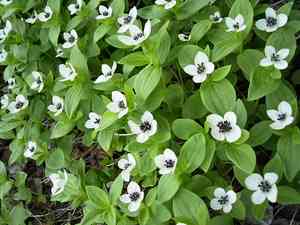
To maintain littleleaf mock-orange, with its exquisite white blossoms, it is best to perform pruning right after its blooming period in late spring or early summer. This schedule enables cultivators to eliminate faded flowers and stimulate fresh development without negatively impacting the subsequent year's flowering. The pruning process entails reducing older branches, trimming back growth for aesthetic purposes, and preserving a robust plant framework. Regular pruning not only revitalizes littleleaf mock-orange but also improves air movement, which assists in warding off illnesses.
What Are the Benefits of Pruning Littleleaf Mock-orange?
What Are the Benefits of Pruning Littleleaf Mock-orange?
Trimming littleleaf mock-orange promotes abundant flowering by eliminating older growth, which produces fewer blossoms. It also aids in preventing the spread of pests and illnesses by removing weak or infected branches, thereby maintaining littleleaf mock-orange's vitality and health.
What Is the Best Time for Pruning Littleleaf Mock-orange?
What Is the Best Time for Pruning Littleleaf Mock-orange?
Pruning littleleaf mock-orange in late spring and early summer is beneficial as it aligns with the plant's natural growth cycle. After the blooming period, typically in late spring, pruning ensures that any shaping or size reduction doesn't hinder the development of flower buds for the subsequent season. Performing this horticultural practice at this time allows gardeners to remove spent flowers and can stimulate new growth where flowers can form the following year. Pruning in late spring or early summer gives littleleaf mock-orange time to recover and produce new growth that will mature before winter, thus preserving the plant's health and vigor.
What Tools Do I Need to Prune Littleleaf Mock-orange?
Hand Pruners
Ideal for removing spent blooms and cutting smaller stems of littleleaf mock-orange. They offer the necessary precision and control for thinning out small twigs.
Loppers
Excellent for removing larger branches and shaping littleleaf mock-orange due to their extended reach and increased cutting power. They are particularly useful for reaching into the shrub without harming surrounding foliage.
Pruning Saw
Essential for cutting through thicker branches that are too large for loppers. As littleleaf mock-orange can develop more substantial stems with age, a pruning saw allows for clean cuts without stressing the plant material.
Gloves
Though not a cutting tool, gloves safeguard the gardener's hands from sharp branches and twigs of littleleaf mock-orange. Ensuring safety during pruning tasks is crucial.
Garden Sanitizer
To prevent disease transmission when pruning littleleaf mock-orange, a garden sanitizer should be used to clean tools between cuts, especially when working on diseased branches.
How to Prune Littleleaf Mock-orange
Clean
Before beginning, disinfect pruning tools to prevent the spread of diseases to littleleaf mock-orange.
Remove diseased and dead
Trim all diseased and dead material, including leaves and branches, to encourage healthy growth and improve air circulation within littleleaf mock-orange.
Thin out
Thin the center of littleleaf mock-orange by removing some older stems to enhance light penetration and airflow, which helps reduce the likelihood of disease.
Shape
Prune overly long branches to maintain the desired shape and size of littleleaf mock-orange, promoting a more uniform and attractive appearance.
Deadhead
Remove faded flowers to encourage continuous blooming throughout the growing season and to prevent littleleaf mock-orange from expending energy on seed production.
Common Pruning Mistakes with Littleleaf Mock-orange
Overpruning
Removing too much growth, which can stress littleleaf mock-orange and lead to reduced flowering or even death.
Flush cuts
Making pruning cuts directly against main stems or branches, which can remove the branch collar and hinder proper healing.
Stub cuts
Leaving too long of a stub when cutting branches, which can result in unnecessary dieback and potential entry points for disease.
Entire branch removal
Cutting off whole branches without considering the natural shape of littleleaf mock-orange, which can lead to an unbalanced and unattractive appearance.
Sharpness neglect
Using dull pruning tools, which can cause jagged cuts that are more susceptible to disease and can harm littleleaf mock-orange.
Pruning for size
Attempting to drastically reduce the size of littleleaf mock-orange through heavy pruning instead of choosing a plant that naturally remains smaller.
Shearing
Employing shearing techniques meant for hedges rather than selective pruning, which can decrease the number of flowers and create a less natural shape for littleleaf mock-orange.
Common Pruning Tips for Littleleaf Mock-orange
Tool sanitation
Clean and sterilize pruning tools before and after use to prevent the spread of diseases to littleleaf mock-orange.
Angled cuts
Make cuts at a 45-degree angle away from a bud to promote water runoff and deter disease.
Thinning technique
Utilize thinning cuts to remove entire branches or stems at their point of origin to improve air circulation and light penetration for littleleaf mock-orange.
Three-cut method
For safely removing larger branches, employ the three-cut method to prevent bark stripping that can damage littleleaf mock-orange.
Shape maintenance
Prune to maintain the natural fountain shape of littleleaf mock-orange, enhancing its appearance and vigor.
Remove deadwood
Regularly remove dead, diseased, or damaged wood to keep littleleaf mock-orange healthy and encourage fresh growth.
Post-bloom pruning
Prune shortly after flowering to maximize next season's blooms, as littleleaf mock-orange flowers on old wood.



