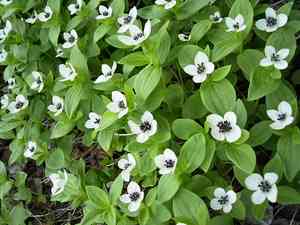
Littleleaf mock-orange (Philadelphus microphyllus)
Also known as: Desert mock orange
The littleleaf mock-orange (Philadelphus microphyllus) is an excellent choice for an informal hedge due to its impressive drought tolerance. This low-maintenance shrub features fragrant white blooms in spring, adding seasonal beauty to your garden. Naturally thriving in mountainous and foothill regions, it adapts well to home cultivation, creating an attractive and resilient hedge option.
In This Article
Attributes of Littleleaf mock-orange
Lifespan
Perennial
Plant Type
Shrub
Plant Height
2 m
Spread
1.2 m to 1.5 m
Leaf Color
Green
Flower Size
2.5 cm
Flower Color
White
Images of Littleleaf mock-orange
Quickly Identify Littleleaf mock-orange
1
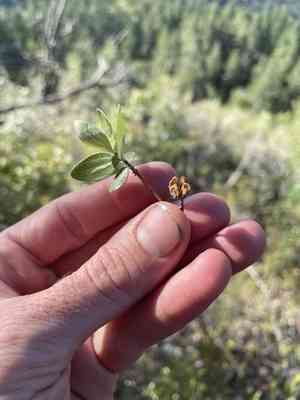
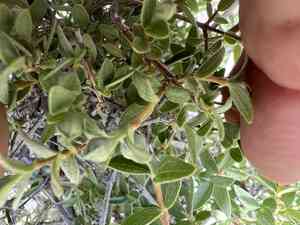
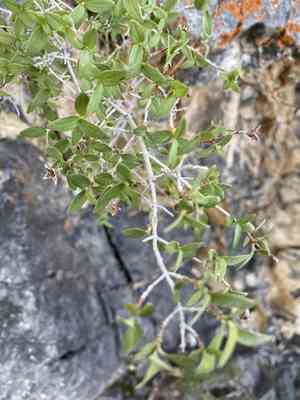
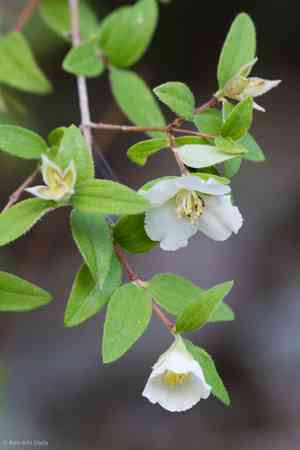
Philadelphus microphyllus can be identified by its small, oval leaves, its fragrant white flowers that bloom in late spring to early summer, and its smooth, pale bark. The flowers are typically about 1 inch (2.5 cm) in diameter with four petals.
Scientific Classification of Littleleaf mock-orange
Phylum
Vascular plants
Class
Dicotyledons
Order
Cornales
Family
Hydrangea
Genus
Mock oranges
Species
Littleleaf mock-orange
Planting and Growing of Littleleaf mock-orange
Care Difficulty
Easy
Watering Schedule
Every 2 days
Sunlight Requirements
Full sun
Sunshine Duration
4-6 hours
Ideal Temperature
60-75℉
Soil Type
Potting Mix, Peat Mix
Soil pH
6.5-7.5
Fertilizer Type
Balanced
Pruning Season
Spring, Summer
Pruning Area
Branches, Leaves
Pruning Frequency
2 times a year
Repotting Season
Spring
Pot Type
Plastic, Ceramic
 How to Water Littleleaf mock-orange?
Philadelphus microphyllus prefers moderate watering. Ensure the soil is moistened thoroughly without becoming waterlogged. The ideal watering volume is about 500 milliliters, sufficient to seep into the root zone without pooling at the surface.
What are the symptoms of an underwatered Littleleaf mock-orange?
›
What should I do if my Littleleaf mock-orange is not getting enough water?
›
What are the symptoms of an overwatered Littleleaf mock-orange?
›
How to save an overwatered Littleleaf mock-orange?
›
 What Are the Sunlight Requirements for Littleleaf mock-orange?
Philadelphus microphyllus benefits from a light range that includes full sunshine and partial sun exposure, encouraging lush blooms and healthy foliage. Ideal lighting fosters vigorous growth and strengthens its natural resilience.
More About Sunlight Requirements Techniques→
What is the ideal intensity of light for Philadelphus microphyllus?
›
What times of day should Philadelphus microphyllus receive sunlight?
›
How does one optimize sunlight exposure for Philadelphus microphyllus?
›
 What Is the Ideal Temperature Range for Littleleaf mock-orange?
Philadelphus microphyllus thrives best within an ideal temperature range of 60°F to 75°F. This allows for optimal metabolic processes within the plant cells, facilitating efficient photosynthesis and growth. At these temperatures, the plant can maintain its necessary uptake of nutrients and water, ensuring lush foliage and strong blooms.
 What Soil is Best for Littleleaf mock-orange?
Philadelphus microphyllus thrives in well-draining soil that prevents waterlogging, allowing roots to breathe and reducing the risk of root rot. This is crucial for healthy growth, ensuring the plant can access essential nutrients efficiently. This plant prefers nutrient-rich soil that can provide all necessary minerals and organic matter for optimal growth. Ensuring the presence of nutrients helps in vigorous flowering and lush foliage development. Maintaining moderately moist soil conditions is important for Philadelphus microphyllus, as it ensures the plant's growth consistency and flower development, without succumbing to stress due to drought or excessive moisture.
 How to Fertilize Littleleaf mock-orange?
For Philadelphus microphyllus, fertilization is an essential aspect of care. This plant prefers a balanced 10-10-10 NPK fertilizer. When using liquid fertilizer, dilute it to half the recommended strength to prevent root burn. For slow-release fertilizers, use about one tablespoon per gallon of soil. Adjust the amount based on the plant's growth response and condition.
 How to Prune Littleleaf mock-orange?
Begin your pruning session by cutting away any dead, damaged, or diseased wood. This helps the shrub focus its energy on healthy growth and reduces the potential for pest infestations. Thinning dense sections of the shrub allows for better air circulation and light penetration, which is crucial for the health of the plant. Focus on removing weak or crossing branches. To maintain an aesthetically pleasing shape, trim the shrub to a desired height. Shortening the branches helps control the size of the plant and encourages bushier growth.
More About Pruning Techniques→
 How to Propagate Littleleaf mock-orange plant?
1
Collect seeds from mature Philadelphus microphyllus plants. Sow the seeds in a well-draining seed compost, covering with a thin layer of soil. Keep them in a warm, sunny position or under grow lights.
2
Select semi-hardwood cuttings in early spring. Cut segments about 10-12 cm long, remove leaves from the lower half, and dip the base in rooting hormone before planting in a potting mix.
3
Choose a healthy, low-growing branch. Bury a part of it in the soil, keeping the tip exposed. Secure with U-pins if necessary. Roots will develop at the buried section, after which you can sever it from the parent for transplantation.
 How to Repot Littleleaf mock-orange plant?
1
You should consider repotting Philadelphus microphyllus when you notice roots growing through the drainage holes or when the plant shows signs of stunted growth. These are strong indicators that the plant has outgrown its current pot and it's time to provide fresh soil and more space for healthy root development.
2
Select a pot that is 1-2 inches larger in diameter than the current one. This allows the roots to spread while not offering too much extra space, preventing water from accumulating and reducing the risk of root rot. A pot with drainage holes is essential to remove excess water and ensure the health of your plant.
3
Opt for a well-draining loamy soil to provide the right balance of moisture retention and aeration. This type of soil reduces the risk of overwatering and promotes healthy root growth. Incorporating organic matter improves soil fertility and supports robust plant development.



