How to Propagate Littleleaf mock-orange?
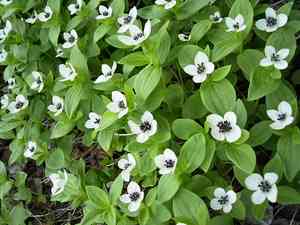
Littleleaf mock-orange flourishes when reproduced via cuttings. Obtain semi-hardwood cuttings during the period of vigorous growth to guarantee improved rates of success. Employing a growing substrate that drains effectively and is rich in nutrients is essential for fostering root formation. The cuttings require placement in an environment with elevated humidity and diffused light until their root systems are firmly established, at which point they can be moved to their permanent spot.
When Is the Optimal Time to Propagate Littleleaf Mock-orange?
Propagation Method
Cutting
Propagation Period
Autumn,Winter
What Equipment Is Utilized for Littleleaf Mock-orange Propagation?
Sharp pruning shears
Crucial for making clean, precise cuts when taking stem cuttings from littleleaf mock-orange. Sharp blades prevent crushing plant tissues, which is vital for effective healing and rooting.
Rooting hormone
Applied to the base of cuttings to boost root development. This product encourages root growth, increasing the likelihood of successful propagation for littleleaf mock-orange. It also helps protect the cut area from infections.
Sterilized potting mix
Offers a clean, pathogen-free environment essential for the rooting of littleleaf mock-orange cuttings. A well-draining, aerated mix supports oxygen availability, critical for new root growth and preventing rot.
Propagation tray
Used to arrange and maintain appropriate moisture levels for multiple littleleaf mock-orange cuttings. A tray with drainage holes is preferred to avoid waterlogging, which can lead to fungal issues.
Plastic dome or cover
Helps maintain a high humidity environment around littleleaf mock-orange cuttings, which is beneficial for preventing them from drying out before new roots can establish. This also aids in temperature stability.
How to Propagate Littleleaf Mock-orange?
Propagation Difficulty
Moderately Difficult
How to Nurture Your Newly Propagated Littleleaf Mock-orange?
How to Nurture Your Newly Propagated Littleleaf Mock-orange?
Once roots form and new growth appears, gradually expose littleleaf mock-orange to less humid conditions by removing the plastic cover for longer durations daily. Transplant to a larger container or a permanent outdoor spot once roots are well-established. Ensure littleleaf mock-orange receives light shade or morning sun with well-drained soil, watering regularly as it adapts to outdoor conditions. Prune in late winter to early spring to encourage bushier growth and remove any dead or overcrowded branches.
Common Errors to Avoid When Propagating Littleleaf Mock-orange
Excessive watering of cuttings
Overwatering can cause root rot, significantly reducing the chances of successful root development in littleleaf mock-orange. Saturated soil conditions deprive the cutting of essential oxygen, leading to decay before rooting.
Using unsterilized tools
Employing tools that are not sterile can introduce pathogens to littleleaf mock-orange cuttings, potentially leading to infections that can kill the developing plant.
Incorrect node cutting
Improper cutting, such as not including a node or cutting too far from one, can result in rooting failure. Nodes are crucial as they contain the necessary cells for root initiation and growth in littleleaf mock-orange.
Disregarding humidity requirements
Ignoring the humidity needs for littleleaf mock-orange cuttings can lead to desiccation, as the cuttings lose moisture through their leaves before they can establish a root system to absorb water from the soil.
Tips For Propagating Littleleaf Mock-orange
Appropriate soil mix
Utilize a well-draining soil mix to provide the necessary moisture balance for littleleaf mock-orange. A blend of peat, perlite, and sand is often suitable, supporting moisture retention while preventing waterlogging.
Application of rooting hormone
Applying a rooting hormone to the cut ends of littleleaf mock-orange cuttings can significantly boost rooting success. This stimulates root growth at the node, improving survival rates.
Maintaining optimal humidity
Keeping the humidity high around littleleaf mock-orange cuttings can prevent excessive moisture loss. Enclosures like plastic bags or propagation chambers are beneficial for maintaining the required humidity.
Sterilize propagation tools
Always sterilize cutting tools before use on littleleaf mock-orange to prevent disease spread. Clean cuts also encourage healthier and faster root growth.



