How to Transplant Childing pink?
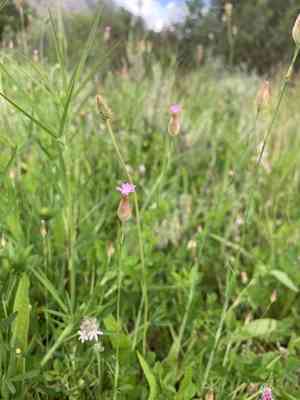
The ideal period for relocating childing pink is during the gentle warmth of late spring or the onset of early summer. Select a location bathed in sunlight, featuring soil that drains effectively, to foster childing pink's robust growth. Carefully place the plant into its new environment, allowing its root system to establish itself without disturbance.
What Preparations are Needed Before Transplanting Childing Pink?
What is the Ideal Time for Transplanting Childing Pink?
The optimal period for relocating childing pink is from the onset of spring warmth until the beginning of summer. This timeframe allows childing pink sufficient opportunity to establish its root system before the peak summer growth phase. Moving childing pink during this season capitalizes on rising temperatures, which stimulate vigorous root development and overall plant health. The mild weather reduces the risk of transplant shock, ensuring your childing pink flourishes as the season progresses.
How Much Space Should You Leave Between Childing Pink Plants?
Provide your childing pinks with adequate room to flourish! Aim to space them approximately 6-8 inches (15-20 cm) apart. This ensures each plant has ample growing space, promoting better air circulation and minimizing disease susceptibility.
What is the Best Soil Mix for Childing Pink Transplanting?
For thriving childing pinks, prepare a well-draining soil blend enriched with a balanced, slow-release fertilizer. Consider a loamy or sandy texture that retains moisture without becoming waterlogged, offering a nourishing start for your plants.
Where Should You Relocate Your Childing Pink?
Select a sunny location for your childing pinks, as they adore sunlight! Target a spot that receives at least 6 hours of direct sun daily. This will help your childing pinks grow robustly and produce beautiful blooms.
What Equipments Should You Prepare Before Transplantation Childing Pink?
Gardening Gloves
To safeguard your hands while handling soil and plants.
Garden Trowel
For excavating holes to re-plant the young plants.
Spade or Shovel
For larger specimens being moved from the ground.
Watering Can or Hose
To hydrate the soil and plant during and after the process.
Wheelbarrow
To move the plant and soil if necessary.
Pruning Shears
To trim any damaged roots or foliage as required.
How Do You Remove Childing Pink from the Soil?
How Do You Remove Childing Pink from the Soil?
From Ground: First, moisten the childing pink plant's soil. Then, dig a wide trench around the plant using a shovel or spade, ensuring the plant's root ball remains intact. Carefully work the spade beneath the root ball to lift the plant from its original spot.From Pot: Begin by watering the childing pink plant to facilitate root ball removal. Turn the pot on its side and gently tap or squeeze it to loosen the soil. Invert the pot and guide the plant out while supporting the stem's base with your hand.From Seedling Tray: Water the seedlings thoroughly before extraction. Use a garden trowel or a fork to carefully lift each seedling from its cell, taking care not to harm the delicate root system.
Step-by-Step Guide for Transplanting Childing Pink
Preparation
Thoroughly water the childing pink before beginning the transplant to reduce stress on the plant.
Excavation
Carefully dig around the childing pink, leaving a generous amount of soil around the root ball for stability during the move.
Removal
Gently lift the plant from its current position, supporting the soil and root structure without compacting the dirt.
Transport
If the new location is far, use a wheelbarrow to move the plant and root ball to prevent soil loss or root damage.
Planting Hole
Dig a hole in the new location that is twice as wide as the root ball but not deeper, to encourage horizontal root growth.
Placement
Position the childing pink into the hole, ensuring it is at the same soil depth as in its previous spot.
Soil Backfill
Gently refill the hole with soil, being careful not to leave any air pockets around the roots.
Watering
Water the transplanted childing pink thoroughly to settle the soil and hydrate the roots.
Adjustment
If needed, stake the plant for support and adjust the soil level to ensure it is stable.
How Do You Care For Childing Pink After Transplanting?
Monitoring
Regularly inspect the childing pink for indications of stress, such as wilting or discolored leaves, and intervene if necessary.
Watering
Ensure the soil stays slightly damp for several weeks after transplant, to help the childing pink establish itself.
Mulching
Apply a layer of mulch around the base of the childing pink to retain moisture and regulate soil temperature.
Pruning
Remove any damaged or dead foliage to help the childing pink direct its energy into root and new growth development.
Supporting
Stake the plant if it shows signs of leaning or instability as the roots develop.
Troubleshooting Common Issues with Childing Pink Transplantation.
When is the best time to transplant childing pink?
The ideal time to move childing pink is during late spring to early summer when temperatures are mild.
What spacing is recommended for childing pink after transplanting?
Ensure childing pink is planted with adequate room, 6-8 inches (15-20 cm) apart, to promote growth.
How deeply should childing pink be planted when transplanting?
Transplant childing pink with the root ball just below the soil surface, neither too deep nor too shallow.
What should I do if my childing pink wilts after transplanting?
Provide childing pink with ample water and protect it from direct sunlight for a few days to aid recovery.
How much should I water childing pink following transplanting?
Water thoroughly after transplanting, then regularly to keep the soil moist but not waterlogged.
Why are my transplanted childing pink not blooming?
Delayed blooming may occur if stressed; ensure proper sunlight, water, and time for adjustment.
Should I fertilize childing pink after transplanting?
Fertilize lightly post-transplant to encourage root establishment, then follow a regular feeding schedule.
What soil type is best for transplanting childing pink?
Childing pink thrives in well-draining soil, rich in organic matter; avoid heavy clay compositions.
What sunlight conditions does childing pink require post-transplant?
Position childing pink in a location with full to partial sunlight for optimal growth after transplant.
Can I transplant childing pink during a heatwave?
It's less stressful for childing pink to be transplanted in milder conditions; avoid periods of extreme heat.



