How Much Sunlight Do Childing pink Need?
1
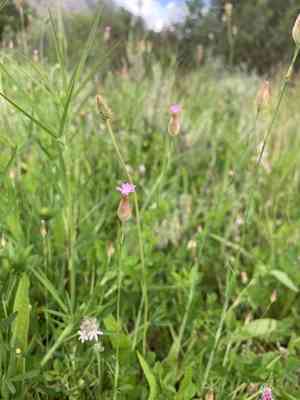
Childing pink flourishes optimally in bright, direct sunlight, necessitating a minimum of six hours of sun exposure each day.
2
Inadequate light can lead to Childing pink developing elongated stems and reduced flower production.
3
Excessive exposure to strong sun may result in leaf scorching on your Childing pink.
Understanding Childing pink Light Requirements
Ideal Sunlight Conditions
For peak development, your Childing pink requires full sun. This typically means the plant should receive a minimum of 6 hours of direct sunlight daily. In areas with milder climates, providing even more sun can help the plant achieve its maximum potential, displaying its vibrant pink blossoms.
Natural Habitat Comparison
Childing pink originates from regions where sunlight is plentiful and consistent throughout the day. Replicating this native environment in your garden will aid your plant's flourishing. In places where natural light patterns differ, adjustments in plant placement might be necessary to mimic these optimal conditions.
Seasonal Light Variations
Different times of the year can cause fluctuations in the amount of sunlight your Childing pink receives. For instance, summer months are usually perfect for this plant due to longer days and more intense sunlight. However, during autumn and winter, it's vital to adjust its position to maximize light exposure, as days are shorter and the sun is lower.
What Happens if Childing pink Gets Too Much Sunlight?
Signs of Sunburn
While Childing pink thrives in the sun, excessive direct sunlight, especially during peak afternoon hours, can lead to sunburn. Look for indicators like faded or bleached areas on the leaves, crispy edges, and an overall scorched appearance. Such symptoms suggest the plant is receiving more sunlight than it can tolerate.
Preventive Measures
To avoid sunburn, consider placing your Childing pink where it gets morning sunlight and is protected during the harshest midday sun. Using shade cloths or strategically planting taller companions can offer necessary relief from intense sunlight while still ensuring the plant receives adequate light.
Corrective Action for Overexposure
If you observe signs of sunburn, promptly move your Childing pink to a spot with filtered or indirect sunlight. Prune off any severely damaged leaves to encourage new growth. Regularly monitor the plant to balance its need for sufficient sunlight without causing further harm.
Is Your Childing pink Getting Enough Light?
Detecting Insufficient Light
Inadequate light can cause Childing pink to become leggy, with elongated, thin stems and sparse foliage. The plant may also produce fewer flowers, and its overall growth can appear stunted. Watch for these signs, as they indicate a need for increased light exposure.
Strategies to Increase Exposure
If your Childing pink isn't receiving enough light, try relocating it to a sunnier spot in your garden. South-facing locations or areas with unobstructed sunlight for most of the day are ideal. If outdoor adjustments aren't feasible, consider moving the plant indoors where it can benefit from increased exposure through windows.
Supplementing Natural Light with Artificial Light
In situations where natural light is insufficient, using artificial grow lights can be advantageous. LED grow lights, positioned approximately 20-30 cm (8-12 inches) above the plant, can supplement its light requirements. Ensure the lights are on for about 12-16 hours daily to mimic natural sunlight conditions.
Optimizing Sunlight for Indoor Childing pink Plants
Choosing the Best Location Indoors
When cultivating Childing pink indoors, select a location that receives ample sunlight. South or west-facing windows are typically the best options, as they provide the most light throughout the day. Avoid placing the plant in dimly lit corners or rooms lacking sufficient natural light.
Utilizing Windows and Reflective Surfaces
Maximize light exposure by using windows and reflective surfaces. Placing reflective materials, such as aluminum foil or mirrors, around your Childing pink can help redirect light to reach the plant more effectively. This simple technique ensures even light distribution and promotes healthier growth.
Setting Up Grow Lights
For indoor environments where natural light is limited, setting up grow lights can be transformative. Choose full-spectrum LED grow lights, as they most closely replicate natural sunlight. Position the lights about 20-30 cm (8-12 inches) above the plant and adjust the duration and intensity based on the plant's response.



