Childing pink(Petrorhagia prolifera)

Childing pink (Petrorhagia prolifera)

Also known as: Childling pink

The childing pink (Petrorhagia nanteuilii) is a delicate and somewhat rare flowering plant, particularly in certain areas of Europe where it is considered endangered. This small perennial is notable for its striking pink blossoms. Despite its attractive flowers, it mostly relies on self-pollination, as pollinators seldom visit.

**Key Characteristics**:
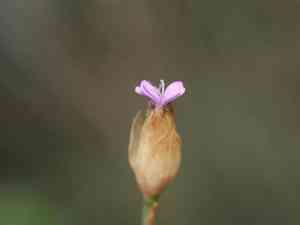
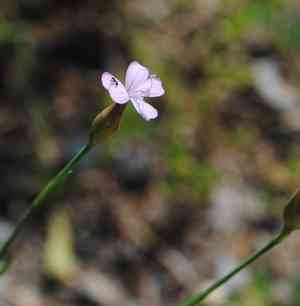
- **Flowers**: Pink, small, and typically open in the mornings.
- **Leaves**: Slim and opposite, resembling grass.

**Behaviors**:
- **Blooming**: Occurs from late spring to early summer.
- **Habitat**: Favors sunny spots with well-drained soil.

**Reproduction**:
- **Self-Pollination**: Primarily self-pollinates, reducing the need for pollinator visits.
- **Seed Dispersal**: Produces dry fruits that crack open when ripe, facilitating seed release and dispersal.

This plant’s unique reproductive strategy and its preference for specific habitats contribute to its rarity and conservation concerns.

Attributes of Childing pink

Lifespan
Annual, Biennial
Plant Type
Herb
Plant Height
60 cm
Spread
35 cm
Leaf Color
Green
Flower Size
0.5-1.5 cm
Flower Color
Pink Purple

ForwardPlant - Identify plants with a snap

Identify and diagnose plants, get toxicity alerts, and explore safety guides for all types of fungi.

Try for Free

Images of Childing pink

Childing pink(Petrorhagia prolifera)

Quickly Identify Childing pink

1
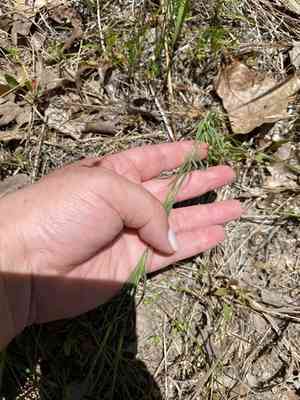
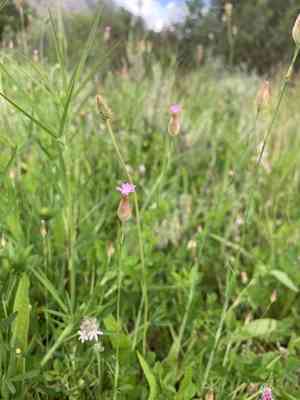
Petrorhagia prolifera can be identified by its small, pink flowers which usually grow in clusters. The stems are slender and can grow up to 60 cm tall. The leaves are narrow, linear, and grass-like.

Scientific Classification of Childing pink

Phylum
Vascular plants
Class
Dicotyledons
Order
Caryophyllales
Family
Pink
Genus
Pinks
Species
Childing pink

Planting and Growing of Childing pink

Care Difficulty
Easy
Watering Schedule
Every 3 days
Sunlight Requirements
Full sun
Sunshine Duration
4-8 hours
Ideal Temperature
60-75℉
Soil Type
Potting Mix, Peat Mix
Soil pH
6.5-7.5
Fertilizer Type
Balanced
Pruning Season
Spring, Summer
Pruning Area
Branches, Leaves
Pruning Frequency
2 times a year
Repotting Season
Spring
Pot Type
Plastic, Ceramic

water icon How to Water Childing pink?

Petrorhagia prolifera appreciates moderate watering, adhering to a 'soak and dry' approach. Water thoroughly until the liquid drains through the pot's bottom, ensuring soil is consistently moist but not waterlogged.
What are the symptoms of an underwatered Childing pink? ›
What should I do if my Childing pink is not getting enough water? ›
What are the symptoms of an overwatered Childing pink? ›
How to save an overwatered Childing pink? ›

sunlight icon What Are the Sunlight Requirements for Childing pink?

Sunlight Requirements: Full sun, Partial sun
Duration of light: 4 to 6 hours
Petrorhagia prolifera flourishes under full sun and partial sun conditions. Ideal light exposure stimulates photosynthetic efficiency, leading to vivid blooms and overall healthier plant structure.
Why does Petrorhagia prolifera prefer certain light? ›
How to achieve ideal light conditions? ›
Benefits of adequate sunlight exposure ›
More About Sunlight Requirements Techniques→

temperature icon What Is the Ideal Temperature Range for Childing pink?

Ideal Temperature: 60 ~ 75℉
The ideal temperature range for Petrorhagia prolifera is between 60°F and 75°F. Within this range, the plant can grow and thrive optimally. These temperatures typically occur during the spring or early summer season in temperate climates, making these times ideal for propagating this species. Ensure that other factors such as light, humidity, and soil conditions are also favorable to maximize growth potential.

soil icon What Soil is Best for Childing pink?

Soil type: Sandy soil, Loam, Sandy loam
Soil PH: 6.5 ~ 7.5
Petrorhagia prolifera thrives in well-draining soil that prevents waterlogging. This reduces root rot risk, ensuring the plant remains healthy with robust root systems for nutrient absorption. While not overly demanding, this plant benefits from soil with moderate nutrient content, ensuring vigorous growth without the complications of nutrient burn or deficiency. The soil should ideally be in a sunny location to maintain warmth. This supports photosynthesis, enhancing growth and flower production.

fertilize icon How to Fertilize Childing pink?

Fertilizer type: Balanced
When fertilizing Petrorhagia prolifera, it is crucial to ensure that you're not overdoing it. For liquid fertilizer, use a diluted solution at half strength. Solid, slow-release fertilizers should be applied at a rate of about 10 grams per square meter, ensuring even distribution across the soil surface.

prune icon How to Prune Childing pink?

Pruning Time: Spring, Summer, Autumn
Start by removing any dead or diseased stems and leaves, cutting back to healthy tissue. Trim back leggy stems by about one-third of their length to encourage denser growth. Focus on cutting just above a leaf node to stimulate new growth from that point, which will enhance the plant's fullness. Deadhead spent blooms by pinching or cutting them back to the nearest stem junction. This not only keeps the plant looking tidy but also promotes more flowering. Being diligent about removing faded flowers can result in a longer blooming period and a more attractive appearance. More About Pruning Techniques→

propagate icon How to Propagate Childing pink plant?

Propagate Time: Spring, Early summer
1
Collect seeds from mature Petrorhagia prolifera plants and let them dry for a few days. Once dried, store them in a dry, cool place until ready for planting. This ensures high germination rates when sowed.
2
Choose healthy stems from the plant and cut 4-6 inch segments using sharp pruning shears. Remove all but a few leaves at the top to reduce water loss and encourage rooting.
3
For seeds, sow them in a seedling tray and cover with a thin layer of soil. For cuttings, dip the cut end in rooting hormone and plant in a potting mix. Water lightly and cover with a plastic dome to maintain humidity.

repot icon How to Repot Childing pink plant?

Repotting frequency: Every 2 to 3 years
1
Look for telltale signs such as roots growing out of drainage holes, stunted growth, or soil that dries out too quickly. Spring and early summer are ideal, as the plant enters its most vigorous growth phase, ensuring it can quickly re-establish itself in the new pot.
2
Opt for a pot that is 1 to 2 inches larger in diameter than the current one. This supports the plant as it grows without overwhelming it with excess soil that could lead to root rot. Ensure the pot has drainage holes to prevent water accumulation at the base.
3
Go for a well-draining sandy loam mix to prevent root rot and allow for proper aeration. A blend of regular potting soil with sand or perlite enhances drainage while maintaining enough moisture retention for healthy growth.

ForwardPlant - Identify plants with a snap

Find the best spots for them to optimize their health, simply using your phone.

Try for Free