How to Prune Childing pink?
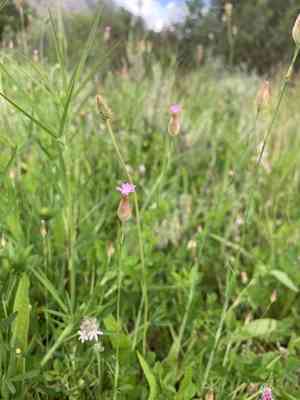
Distinguished by its clustered growth and abundant blossoms, childing pink flourishes with consistent cutting back. Essential pruning entails removing faded blooms to encourage additional flowering and shearing after blossoming to preserve its structure. The most suitable times for trimming are throughout spring, summer, and early autumn, aligning with periods following flowering. Trimming childing pink not only improves its aesthetic but also encourages fresh development, guaranteeing a dense shape and ongoing flower generation. Always employ sharp, sanitized implements to avert illness.
What Are the Benefits of Pruning Childing Pink?
What Are the Benefits of Pruning Childing Pink?
Trimming childing pink promotes vigorous development and maintains an appealing shape by encouraging new shoots and managing its spread, which is vital for its dense, rounded habit.
What Is the Best Time for Pruning Childing Pink?
What Is the Best Time for Pruning Childing Pink?
Pruning childing pink in spring is optimal as the plant emerges from dormancy, allowing for rapid healing and energy redirection into new growth. Early summer pruning helps shape the plant and control its size after the spring growth surge, without affecting late summer blooms. Late fall pruning keeps childing pink neat through winter and avoids disease risk from wet weather, as the plant enters dormancy and growth slows.
What Tools Do I Need to Prune Childing Pink?
Bypass Pruners
These pruners are perfect for making clean cuts on the green stems of childing pink. Their sharp, scissor-like blades ensure precise cuts, essential for healthy regrowth.
Hand Shears
Since childing pink can form dense clusters, hand shears are suitable for shaping and thinning the plant. They offer greater control when trimming larger sections.
Pruning Snips
These are ideal for deadheading or removing spent blooms of childing pink. Pruning snips provide accuracy and ease when dealing with small, delicate stems.
How to Prune Childing Pink
Disinfect
Before starting the pruning process, clean and sanitize your pruning tools to prevent disease transmission to childing pink.
Identify
Locate withered leaves on childing pink that appear dry, brown, or show visible damage. These are the parts that will benefit from trimming.
Cut
Using your disinfected tools, carefully cut the withered leaves at their base where they connect to the stem or a main branch. Ensure a clean cut to avoid tearing that could harm childing pink.
Dispose
After removing the withered leaves, properly discard them away from childing pink to prevent any potential disease or pest spread to healthy plant parts.
Monitor
Observe childing pink after pruning to ensure healthy new growth and to watch for any signs of disease or stress that might require additional care.
Common Pruning Mistakes with Childing Pink
Overzealous pruning
Cutting back too much of childing pink at once can stress the plant, leading to stunted growth or reduced flowering.
Improper tool use
Using dull or dirty pruning tools can damage childing pink's stems, potentially introducing disease and hindering the plant's natural healing process.
Neglecting deadheading
Failing to regularly remove spent flowers can prevent childing pink from producing new blooms and may lead to unwanted self-seeding.
Pruning live flower stems
Trimming live flower stems with buds can inadvertently reduce childing pink's blooming potential for the season.
Ignoring plant shape
Pruning without considering childing pink's natural growth form can result in an unnatural appearance and potentially impede its growth pattern.
Common Pruning Tips for Childing Pink
Selective pruning
Snip dead or fading flowers just below the flower head to promote further blooming and maintain childing pink's compact form without reducing overall plant vigor.
Use clean tools
Employ clean, sharp pruning shears to make precise cuts on childing pink, reducing stress on the plant and preventing the spread of disease.
Encourage branching
Pinch back the tips of new growth to stimulate branching, leading to a fuller childing pink and potentially more flowers.
Monitor plant health
Regularly inspecting childing pink for damaged or diseased stems and removing them promptly helps to maintain a healthy plant.
Balance natural form
Aim to retain the natural shape of childing pink while pruning, removing only what is necessary to maintain plant health and desired size.



