How to Transplant Persicaria odorata?
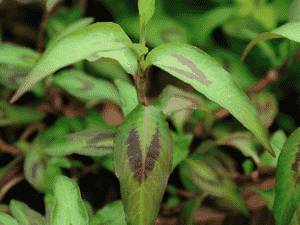
The optimal period for relocating vietnamese coriander spans from early spring through the onset of summer's heat, fostering vigorous development. Choose a location featuring damp, adequately draining earth and dappled sunlight. Gradually introduce vietnamese coriander to its new environment to promote effective establishment.
What Preparations are Needed Before Transplanting Vietnamese Coriander?
What is the Ideal Time for Transplanting Vietnamese Coriander?
Move vietnamese coriander between early spring and early summer for strong development. This period allows vietnamese coriander's root system to establish in warm earth, promoting vigorous growth. Relocating vietnamese coriander at this time takes advantage of longer days and milder nights, ensuring a smooth transition. It's like giving vietnamese coriander a head start in its growth journey!
How Much Space Should You Leave Between Vietnamese Coriander Plants?
When selecting a spot for your vietnamese coriander, consider providing each plant with ample room. Ideally, position them 18-24 inches (45-60 cm) apart. This ensures they have sufficient space to thrive without competing for nutrients or sunlight.
What is the Best Soil Mix for Vietnamese Coriander Transplanting?
For vietnamese coriander, a comfortable growing medium is crucial for development. A rich, loamy soil should be effective! Before planting, incorporate some well-decomposed compost or a balanced organic fertilizer to give your vietnamese coriander the best start in its new location.
Where Should You Relocate Your Vietnamese Coriander?
Your vietnamese coriander enjoys the sun just as we appreciate a sunny beach day! Select a location that receives full sunlight to partial shade, approximately 6-8 hours of daylight. This will help your vietnamese coriander produce its flavorful leaves and flourish.
What Equipments Should You Prepare Before Transplantation Vietnamese Coriander?
Gardening Gloves
To safeguard your hands while handling the soil and vietnamese coriander.
Trowel
For excavating small holes to relocate your vietnamese coriander.
Garden Spade or Shovel
For lifting the root mass of vietnamese coriander from its original position.
Watering Can or Hose
To hydrate the vietnamese coriander before and after relocation.
Pruning Shears
To trim any damaged roots or leaves of vietnamese coriander if necessary.
How Do You Remove Vietnamese Coriander from the Soil?
How Do You Remove Vietnamese Coriander from the Soil?
From Ground: First, irrigate the vietnamese coriander plant to moisten the soil. This facilitates easier removal of the plant without harming the roots. Then, using a garden spade or shovel, dig a wide trench around the vietnamese coriander, leaving enough space so that the root ball remains intact. Gently work the tool beneath the root ball to carefully lift the vietnamese coriander out of the ground.From Pot: Water the soil in the container to make the roots more flexible. Gently tap the sides of the pot to loosen the soil. Tilt the pot sideways and carefully ease the vietnamese coriander out while supporting the base of the stem with your hand. If the vietnamese coriander doesn't come out easily, you can run a trowel around the inner edge of the pot to help release it.From Seedling Tray: Moisten the soil in the seedling tray to prevent root shock. Use a trowel or hand to gently remove individual vietnamese coriander seedlings by lifting them from their cells or blocks, taking care not to damage the delicate roots and stems.
Step-by-Step Guide for Transplanting Vietnamese Coriander
Preparation
Prepare the new site by loosening the soil to a depth of about 6-8 inches, which will aid the roots of vietnamese coriander in establishing easily. Ensure the planting area is free from weeds and rocks.
Digging Hole
Excavate a hole that is twice as wide and as deep as the root ball of your vietnamese coriander. This will provide its roots with ample space to grow and spread.
Placing vietnamese coriander
Gently position the vietnamese coriander's root ball into the hole, ensuring that the top of the root ball is at ground level or slightly above to prevent water from accumulating around the stem.
Backfilling
Carefully refill the hole with the excavated soil, gently firming it around the root ball of vietnamese coriander to eliminate air pockets. Avoid compacting the soil too tightly as this can impede root growth.
Watering
Thoroughly water your newly transplanted vietnamese coriander to help settle the soil and hydrate the roots. The water also assists in removing any remaining air pockets.
How Do You Care For Vietnamese Coriander After Transplanting?
Initial Watering
Regularly water the vietnamese coriander to maintain consistent soil moisture for the first few weeks after relocation. This helps the vietnamese coriander establish its root system in its new environment.
Mulching
Apply a layer of organic mulch around the base of vietnamese coriander, avoiding direct contact with the stem, to help retain soil moisture and regulate soil temperature.
Pruning
Trim any damaged or yellowing leaves with pruning shears, allowing the vietnamese coriander to direct its energy towards developing new growth.
Observation
Closely monitor the vietnamese coriander for signs of stress, such as wilting or discoloration, and adjust care as necessary.
Troubleshooting Common Issues with Vietnamese Coriander Transplantation.
What's the ideal time to transplant vietnamese coriander for best growth?
Relocate vietnamese coriander during early to late spring, when growing conditions are optimal.
How far apart should I space vietnamese coriander when transplanting?
Space vietnamese coriander plants approximately 18-24 inches (45-60 cm) apart to ensure sufficient growing space.
Why are my vietnamese coriander plants wilting after transplanting?
Wilting could be due to transplant shock. Ensure soil is moist and plants are shaded for a few days post-transplant.
How deep should I plant vietnamese coriander roots in the soil?
Plant vietnamese coriander roots at the same depth as the original pot, ensuring root crowns are level with the soil surface.
Can vietnamese coriander be transplanted in full sun locations?
Yes, vietnamese coriander thrives in full sun but can also adapt to partial shade. Choose a sunny spot for healthier growth.
What kind of soil is best for transplanting vietnamese coriander?
Use fertile, well-draining soil, rich in organic matter for vietnamese coriander. This will support root health and growth.
How do I know if my vietnamese coriander needs water after transplanting?
Water vietnamese coriander when the top inch (2.5 cm) of soil feels dry to the touch to ensure proper hydration.
What should I do if vietnamese coriander leaves turn yellow after transplanting?
Yellow leaves may indicate overwatering or poor drainage. Adjust watering schedule and ensure soil is not waterlogged.
How often should I fertilize vietnamese coriander after transplanting?
Fertilize vietnamese coriander lightly once a month during the growing season with a balanced, all-purpose fertilizer.
Why isn't my vietnamese coriander growing after transplanting?
Stunted growth could be due to root-bound plants or insufficient light. Ensure vietnamese coriander has room to grow and receives adequate sunlight.



