How to Prune Persicaria odorata?
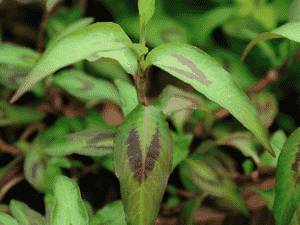
Vietnamese coriander, a favored cooking herb, flourishes with consistent snipping. Clip the ends to foster dense development, eliminating any blossoms to avert an acrid taste. The ideal period for this is throughout its vigorous growth stages from spring to autumn. Trimming improves taste and prevents spindly development. Concentrate on severing just above leaf junctions for strong regeneration. Routine upkeep not only sculpts the plant but also extends its lifespan, guaranteeing a continuous provision of fragrant foliage.
Advantages of Trimming Vietnamese Coriander
Advantages of Trimming Vietnamese Coriander
Trimming vietnamese coriander promotes robust development and assists in preserving its intended form. Prompt cutting eliminates leggy stems, fostering a denser, more compact structure, crucial for garden aesthetics and space management.
Optimal Period for Pruning Vietnamese Coriander
Optimal Period for Pruning Vietnamese Coriander
Spring pruning enables vietnamese coriander to recover swiftly and produce new growth as temperatures rise, benefiting its accelerated growth cycle during this time. Early Fall pruning, conversely, prepares vietnamese coriander for colder months by removing elongated or overgrown sections, lessening plant stress during its slower growth phase. Avoid Summer pruning to prevent heat stress. Furthermore, these seasons ensure the plant's health, vigor, and leaf production, typically used for cooking.
Necessary Tools for Pruning Vietnamese Coriander
Bypass Pruners
These are perfect for making precise cuts on vietnamese coriander, causing minimal harm to the plant's tender stems. Their accurate nature helps maintain vietnamese coriander's shape and health by cutting cleanly without crushing the stems.
Gardening Scissors
These scissors are suitable for trimming smaller, more intricate parts of vietnamese coriander. Their precision is ideal for maintaining dense foliage and harvesting small quantities. They are easy to handle and navigate through vietnamese coriander's thick growth.
Handheld Shears
Handheld shears may be required if vietnamese coriander is grown in large amounts and needs more extensive pruning. They offer a way to quickly trim back large sections without harming other parts of the plant.
Method for Pruning Vietnamese Coriander
Identifying parts to prune
Carefully examine vietnamese coriander to locate any diseased, withered, or dead leaves or branches. These are the sections of vietnamese coriander that will need trimming.
Sterilizing tools
Before beginning, sanitize your pruning tools with alcohol or a bleach solution to prevent disease transmission while pruning vietnamese coriander.
Trimming leaves
Using your sterilized scissors or pruning shears, carefully remove diseased and withered leaves from vietnamese coriander at the base of the leaf stem, avoiding healthy tissue to prevent damage.
Pruning branches
Prune dead and diseased branches from vietnamese coriander by making a clean cut at the branch's base or just above a healthy set of leaves to encourage new growth. Do not leave stubs, as they can attract pests and diseases.
Cleaning up
Remove all pruned material from around vietnamese coriander and dispose of it properly to minimize disease spread. Clean the tools again after pruning to maintain good hygiene.
Common Pruning Errors with Vietnamese Coriander
Excessive pruning
Removing too much foliage from vietnamese coriander can weaken the plant and diminish its ability to photosynthesize effectively.
Dull tools
Using unsharpened or unclean pruning tools can result in jagged cuts, which can invite pests and diseases into the plant tissues.
Neglecting dead leaves
Failing to remove dead or yellowing leaves can hinder new growth and may also encourage diseases.
Inconsistent pruning
Irregular pruning can lead to uneven growth and might negatively impact vietnamese coriander's overall health and appearance.
Pruning too close
Cutting stems too near the main stalk might damage the plant's nodes, which are vital for new growth.
General Pruning Advice for Vietnamese Coriander
Sharp tools
Always use sharp, clean pruning shears or scissors to make precise cuts without harming vietnamese coriander's delicate stems.
Regular maintenance
Periodically inspect vietnamese coriander and remove any dead, damaged, or yellowing leaves to maintain the plant's health and visual appeal.
Judicious cuts
Make cuts just above the leaf nodes to promote bushier growth. This allows vietnamese coriander to branch out and become fuller.
Shape maintenance
Prune vietnamese coriander to maintain its desired shape and size, keeping the plant compact and improving air circulation.
Harvesting leaves
When collecting leaves for culinary use, do so in moderation, leaving sufficient foliage for the plant to continue thriving and producing new shoots.



